


Could a single number tell you if your heart—and your long-term health—are on track?
Resting heart rate is that number: how many times your heart beats per minute when you’re relaxed.
It reflects fitness, nervous system balance (rest vs fight), and short-term stressors like fever, caffeine, or dehydration.
Over weeks, a rising baseline often flags lower fitness, chronic stress, or hidden illness; a low rate can mean strong conditioning or, rarely, an electrical problem.
This post explains what that number really signals and what simple checks you can use today.
Core Insights Into What Resting Heart Rate Indicates

Resting heart rate counts how many times your heart beats per minute when you’re just sitting still or lying down. It’s basically measuring cardiac output, which is the product of stroke volume (how hard your heart squeezes) and how often it actually beats. A lower resting rate usually means your heart’s pumping more blood with each contraction, so it doesn’t need to beat as often. This number also shows your autonomic balance. Your parasympathetic nervous system (the “rest and digest” part) slows things down, while sympathetic activity (the “fight or flight” part) speeds it up. A healthy resting heart rate typically means strong parasympathetic tone and an efficient cardiovascular system.
When resting heart rate is low, often somewhere between 50 and 70 beats per minute for people in decent shape, it reflects good cardiovascular fitness. A bigger, more efficient heart. Strong vagal influence. Endurance athletes can drop into the 30s or 40s, which is a sign of exceptional conditioning. On the flip side, a high resting rate, above 80 or 90 when you’re relaxed, usually points to lower cardiorespiratory fitness, higher sympathetic tone, and more metabolic or cardiovascular stress. It’s not just about being less fit. Persistent elevation is linked to higher blood pressure, more body weight, elevated circulating fats. All markers of worse cardiovascular and metabolic health.
Research backs up why resting heart rate has become such a useful early warning sign. A 2013 study followed around 3,000 men over 16 years and found that those with a resting rate between 81 and 90 had roughly double the risk of premature death compared to men with lower rates. When it went above 90, the risk tripled. These connections held even after accounting for other cardiovascular risk factors, which makes resting heart rate an independent predictor of long term outcomes. Clinicians now use it as a quick, cheap window into autonomic function, metabolic health, and cardiovascular reserve.
Resting heart rate can tell you about cardiovascular fitness level. Lower rates generally mean a more efficient heart and better aerobic conditioning. It shows autonomic nervous system balance, how well your parasympathetic “rest” signals are controlling baseline heart activity. It reflects metabolic stress or illness. Fever, infection, anemia, hyperthyroidism, and dehydration all drive the rate upward. It captures medication or substance effects. Beta blockers and calcium channel blockers lower the rate, while stimulants like caffeine and nicotine push it higher. And it signals long term cardiovascular and mortality risk. Sustained higher resting rates are linked to increased risk of heart disease and earlier death in population studies.
Normal Resting Heart Rate Ranges and What They Reveal

Normal resting heart rate for adults falls between 60 and 100 beats per minute, but most healthy, relaxed adults sit closer to 60 to 80. Well conditioned people often land between 50 and 70, and elite endurance athletes routinely measure in the 30s, 40s, or low 50s. These lower values aren’t a sign of illness. They reflect cardiovascular adaptations. Larger ventricular chambers, stronger contractility, and dominant parasympathetic tone. Older adults tend to drift slightly upward as vagal tone naturally weakens with age, though rates above 90 still deserve attention.
Children have faster baseline rates because their smaller hearts need to beat more frequently to meet the body’s oxygen demands. Newborns typically range from 100 to 160 beats per minute, and that rate gradually declines as the heart grows and stroke volume increases. School age children average 70 to 120, and by adolescence, the range starts to look more like adult norms. These age related differences tell us that resting heart rate is a developmental vital sign, shaped by heart size, metabolic rate, and autonomic maturation.
Athletes sit well below population averages because repeated aerobic training remodels the heart. The left ventricle enlarges, allowing each beat to eject more blood. The parasympathetic nervous system becomes more responsive, and sympathetic drive at rest drops. The result is a resting rate that can dip into the high 30s or low 40s without any symptoms. That’s not pathological bradycardia. It’s a normal adaptation to high cardiovascular demand.
| Age Group | Typical RHR Range (bpm) |
|---|---|
| Newborn (0–1 month) | 100–160 |
| Infant (1–12 months) | 90–150 |
| Toddler (1–3 years) | 80–140 |
| School-age (6–12 years) | 70–120 |
| Adolescent (13–18 years) | 60–100 |
| Adult (18+ years) | 60–100 (typical healthy 60–80) |
What a Low Resting Heart Rate Indicates (Bradycardia Context)

Bradycardia is defined as a resting heart rate below 60 beats per minute. In many cases, it’s a sign of excellent cardiovascular health. Athletes, especially those training in endurance sports like distance running, cycling, or swimming, commonly have resting rates in the high 30s to mid 40s. This happens because their hearts develop a larger stroke volume. More blood pumped per beat, so fewer beats are needed to maintain the same cardiac output. Strong parasympathetic tone keeps the rate low at rest, and the heart responds efficiently when effort ramps up.
But not all low heart rates are benign. When bradycardia shows up with symptoms like dizziness, fatigue, confusion, or fainting, it may point to a problem with the heart’s electrical conduction system. Conditions like sick sinus syndrome or atrioventricular block slow the heart beyond what’s needed, and the body can’t compensate. Medications, particularly beta blockers and certain calcium channel blockers, can also push the rate below 60. While this is often intentional and therapeutic, it sometimes causes unwanted side effects. Age related degeneration of the heart’s natural pacemaker cells is another common cause in older adults.
Athletes with resting heart rate in the 30s to 50s who feel energetic and have no symptoms? This reflects normal training adaptation, large stroke volume, and high parasympathetic tone. Sedentary individuals or older adults with new onset bradycardia and symptoms like lightheadedness or fatigue? This may indicate conduction system disease or medication side effects. People on beta blockers or other rate lowering medications who develop symptomatic bradycardia might need medication adjustment. Anyone with a resting rate below 40 beats per minute accompanied by chest pain, fainting, or severe shortness of breath should get urgent medical evaluation and likely an ECG to assess electrical conduction.
What a High Resting Heart Rate Indicates (Tachycardia Context)

Tachycardia is defined as a resting heart rate above 100 beats per minute. It means the heart is beating more often than necessary to supply oxygen at rest, which can reflect anything from temporary stress to underlying disease. A persistently elevated rate often points to lower cardiovascular fitness. The heart has to work harder to meet the body’s baseline demands. It also indicates higher sympathetic nervous system activity, which, when chronic, is linked to inflammation, endothelial dysfunction, and increased cardiovascular risk. Population studies consistently show that higher resting rates, even in the 80 to 100 range, predict worse long term outcomes.
Acute causes of high resting heart rate are often temporary and identifiable. Fever increases heart rate by roughly 10 beats per minute for every 1°C rise in body temperature, a reflex that helps circulate immune cells and dissipate heat. Dehydration reduces blood volume, forcing the heart to beat faster to maintain blood pressure. Infections, even mild ones, trigger inflammatory signals that ramp up heart rate. Anemia lowers the oxygen carrying capacity of blood, so the heart compensates by pumping faster. Hyperthyroidism floods the system with thyroid hormone, directly accelerating the heart. Stimulants like caffeine, nicotine, over the counter decongestants, and energy drinks activate the sympathetic nervous system and drive the rate upward.
Chronic tachycardia, especially when resting values sit above 90 beats per minute for weeks or months, can signal poor overall fitness, uncontrolled stress, ongoing substance use, or an undiagnosed medical condition. Because elevated resting heart rate is an independent marker of cardiovascular disease and mortality, clinicians take sustained high values seriously. Tracking trends rather than reacting to single readings is important. Rates that creep upward over time often come before other measurable changes in blood pressure, glucose, or lipids.
Lower cardiorespiratory fitness and reduced stroke volume require more frequent beats to maintain cardiac output. Chronic stress or anxiety keeps sympathetic tone elevated and parasympathetic tone suppressed. Ongoing use of stimulants such as caffeine, nicotine, or certain medications including some antidepressants and weight loss supplements. Medical conditions like hyperthyroidism, anemia, chronic infection, or heart failure all increase the heart’s workload. Poor sleep quality or sleep apnea disrupts autonomic recovery and raises baseline sympathetic activity.
Factors That Influence Resting Heart Rate Day to Day
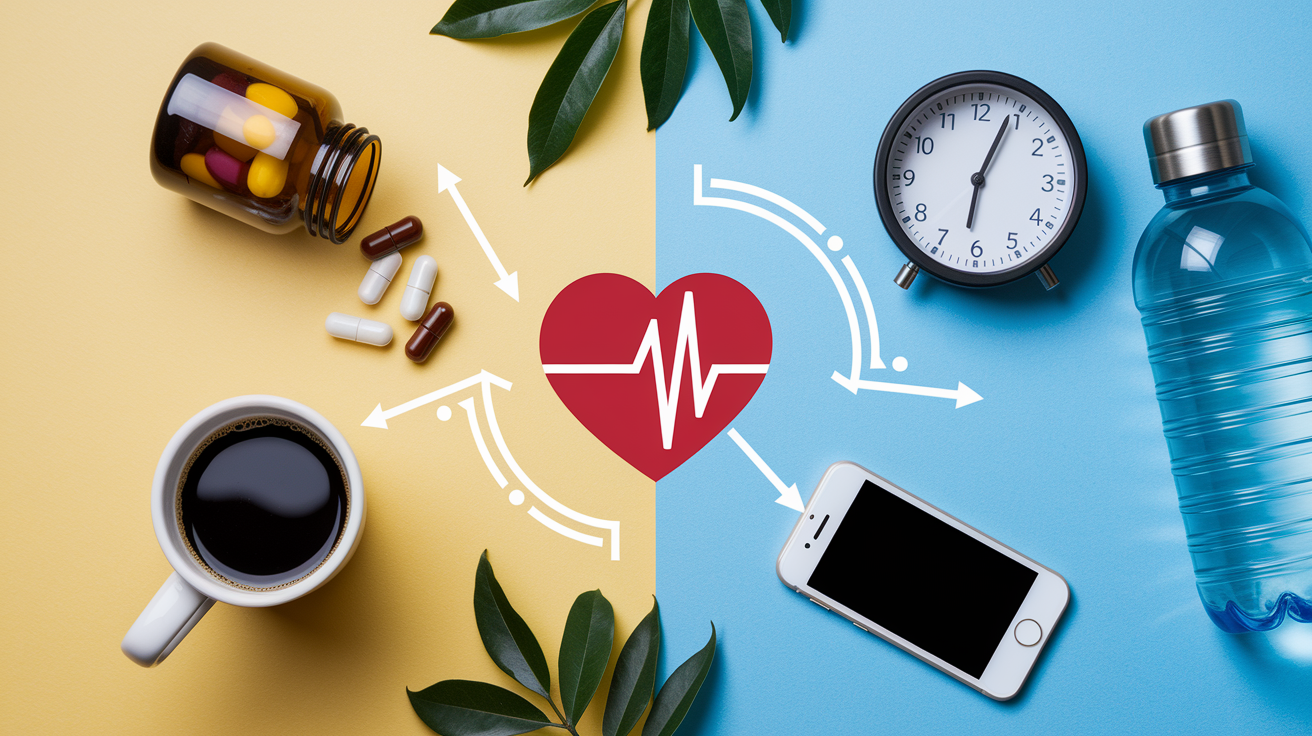
Medications are one of the most predictable modulators of resting heart rate. Beta blockers such as metoprolol and atenolol slow the heart by blocking adrenaline’s effect on cardiac receptors, commonly reducing resting rate by 10 to 20 beats per minute. Some calcium channel blockers, like diltiazem and verapamil, also lower the rate by affecting electrical conduction in the heart. On the other hand, stimulants (including amphetamines, certain antidepressants, especially bupropion and some tricyclics, over the counter decongestants containing pseudoephedrine, and weight loss supplements) activate the sympathetic nervous system and raise resting heart rate, sometimes significantly. If your rate climbs after starting a new prescription, it’s worth discussing alternatives with your clinician.
Behavioral and environmental factors create short term swings in resting heart rate. Stress and anxiety trigger a cascade of cortisol and adrenaline, pushing the rate higher even when you’re sitting still. Acute caffeine intake, especially above 200 milligrams (roughly two cups of coffee), can temporarily elevate the rate by 5 to 15 beats per minute. Nicotine has a similar effect, constricting blood vessels and stimulating the sympathetic system. Dehydration reduces blood volume, forcing the heart to beat faster to maintain pressure. Even ambient temperature matters. Heat stress and fever raise the rate as the body works to dissipate warmth and support immune activity.
Circadian rhythms and hormonal cycles also play a role. Resting heart rate is typically lowest in the early morning hours before waking, when parasympathetic tone peaks and cortisol hasn’t yet surged. Throughout the day, rates drift upward in response to activity, meals, and stress. Women may notice small fluctuations across the menstrual cycle, with rates slightly higher in the luteal phase when progesterone is elevated. Aging gradually shifts the baseline upward as vagal tone weakens and the sinoatrial node loses some of its responsiveness. These influences are normal, but they remind us that a single measurement captures only a snapshot. Tracking trends over days or weeks gives a clearer picture of what your resting heart rate actually indicates.
Best Practices for Measuring Resting Heart Rate Accurately

The most reliable resting heart rate reading comes after at least five minutes of complete rest, ideally first thing in the morning before you get out of bed. At that moment, your sympathetic nervous system hasn’t ramped up yet, you haven’t had caffeine or food, and your body is as close to true baseline as it gets during waking hours. Sit or lie still, breathe normally, and avoid checking your phone or mentally rehearsing the day. Those activities subtly activate the sympathetic system and nudge the rate higher. Consistency matters more than perfection, so pick a time and stick with it if you’re tracking trends.
Avoid measuring within 30 to 60 minutes of anything that artificially elevates heart rate. Exercise, even a quick walk or climb up stairs, keeps the rate elevated for at least an hour. Caffeine has a half life of several hours but peaks in the bloodstream within 30 to 60 minutes, so wait at least an hour after your coffee. Smoking, a hot shower, a stressful phone call, or a large meal can all push the rate temporarily higher. If you’re using the reading to assess your baseline health or track a trend, these short term influences create noise that hides the signal.
To measure manually, sit down or lie flat and remain still for at least five minutes. Locate your pulse on the thumb side of your wrist, just below the base of your hand where a watch band would sit, or on your neck about one to two inches below your ear. Use your index and middle fingers. Never your thumb, which has its own pulse and can confuse the count. Count the beats for a full 60 seconds using a stopwatch or clock with a second hand. Alternatively, count for 30 seconds and double the result, but the 60 second count is more accurate, especially if your rhythm is irregular. Repeat the count once or twice to confirm consistency. If the two counts differ by more than two or three beats, measure a third time. Record the number along with the date, time, and any notes about recent activity, stress, or medication changes so you can interpret trends later.
Manual vs Wearable Accuracy
Manual pulse counting is the gold standard when done correctly. It’s direct, inexpensive, and requires no equipment beyond a watch. The main source of error is user technique. Pressing too hard can occlude the artery, counting too briefly amplifies small mistakes, and irregular rhythms can confuse the count. If you’re consistent with the method, manual measurement is highly reliable.
Wearable devices (smartwatches, fitness bands, and chest straps) offer convenience and continuous tracking, but their accuracy varies. Chest straps that use electrical sensors to detect the heart’s activity (similar to an ECG) are generally very accurate, often within one or two beats per minute of a clinical monitor. Wrist worn optical sensors, which measure blood flow through light reflection, are less consistent. They work well during steady rest but can struggle with darker skin tones, wrist movement, tattoos, and poor strap fit. Some wearables have been validated in clinical studies. Many have not. If you’re using a wrist device, cross check it against a manual count a few times to understand its reliability. For clinical decisions (like adjusting medication or evaluating symptoms) a manual count or validated device is preferred.
How Resting Heart Rate Reflects Overall Fitness and Training Adaptation

Resting heart rate is one of the clearest physiologic markers of aerobic fitness. As cardiovascular conditioning improves, the heart adapts by increasing stroke volume, the amount of blood pumped with each beat. A larger, more efficient heart doesn’t need to beat as often to deliver the same cardiac output at rest. Early in a training program, resting heart rate can drop by about one beat per minute per week. Over several months, total reductions of 10 to 12 beats per minute are common, and well trained endurance athletes often settle into the 40s or even 30s. These changes reflect not just a stronger heart muscle but also enhanced parasympathetic tone and reduced baseline sympathetic activity.
The type and intensity of training matter. One study in middle aged adults found that one hour per week of high intensity aerobic exercise (around 66% of maximum effort) reduced resting heart rate more than the same duration of low intensity work at roughly 33% of max. Interval training, which alternates bursts of hard effort with recovery, also drives down resting rate more efficiently than steady moderate exercise. Strength training contributes less directly to resting heart rate reduction, but it improves overall metabolic health and body composition, which can indirectly support cardiovascular efficiency. The key is consistency. Sporadic hard sessions won’t produce lasting changes.
Tracking resting heart rate over time helps guide training load and recovery. A sudden jump of five or more beats above your normal baseline, especially when it persists for several days, often signals incomplete recovery, oncoming illness, overtraining, or accumulated stress. Many endurance athletes use morning resting heart rate as a decision point. If it’s elevated, they scale back intensity or take an extra rest day. Conversely, a gradual drift downward over weeks confirms that the training stimulus is working and adaptations are taking hold. This feedback loop makes resting heart rate a practical, no cost window into how well your body is responding to the demands you’re placing on it.
| Training Type | Expected Impact on RHR |
|---|---|
| High-intensity aerobic (≥66% max effort) | Significant reduction; often 1 bpm per week early on, 10–12 bpm total over months |
| Moderate continuous aerobic (~50% max) | Moderate reduction; slower and smaller than high-intensity |
| Interval training (hard/recovery cycles) | Strong reduction; comparable to or better than sustained high-intensity |
| Strength/resistance training | Minimal direct effect; supports metabolic health and body composition, which can indirectly lower RHR |
Resting Heart Rate and Broader Health Risk Signals

Resting heart rate doesn’t exist in isolation. It correlates with and often predicts changes in other vital signs and metabolic markers. Higher resting rates are consistently linked to higher blood pressure, greater body weight, and elevated circulating lipids. The connection isn’t just statistical. It’s physiologic. A faster resting rate reflects higher sympathetic nervous system activity, which constricts blood vessels, raises blood pressure, and promotes insulin resistance. Over time, these overlapping stressors increase the risk of hypertension, type 2 diabetes, and atherosclerosis. Population data reinforce this. Even after adjusting for traditional risk factors like cholesterol and smoking, people with resting rates above 80 beats per minute have measurably higher long term cardiovascular and all cause mortality.
Trends in resting heart rate can reveal subtle shifts in health before other clinical signs appear. A gradual upward drift of five or ten beats over several months might come before detectable changes in blood glucose, weight, or blood pressure. This makes resting heart rate a useful early warning signal, especially when tracked at home. A sudden spike can indicate acute illness, dehydration, or stress, while a slow creep suggests chronic inflammation, worsening fitness, or the cumulative effect of poor sleep and diet. Clinicians increasingly use resting heart rate as part of risk stratification, particularly in patients with known cardiovascular disease or metabolic syndrome.
The relationship between resting heart rate and inflammation is an emerging area of interest. Chronic low grade inflammation (marked by elevated C reactive protein and other inflammatory cytokines) drives both atherosclerosis and sympathetic nervous system activation. A persistently elevated resting rate may reflect this inflammatory state, which in turn accelerates cardiovascular aging. Conversely, interventions that lower resting heart rate (regular exercise, weight loss, stress management) also tend to reduce systemic inflammation and improve endothelial function. This bidirectional link underscores why resting heart rate is more than a standalone number. It’s an integrative marker that captures the interplay of autonomic tone, metabolic health, and long term cardiovascular risk.
Strategies to Safely Lower an Elevated Resting Heart Rate

Regular aerobic exercise is the most evidence backed way to reduce resting heart rate. Consistent training (at least 150 minutes per week of moderate activity or 75 minutes of vigorous activity) triggers cardiovascular adaptations that lower baseline heart rate by 10 to 12 beats per minute over a few months. Higher intensity sessions, around 66% of maximum effort or above, tend to produce faster and larger reductions than low intensity steady work. The key is building volume gradually and staying consistent. Sporadic hard efforts don’t create lasting change and can increase injury risk.
Weight loss, when appropriate, also lowers resting heart rate. Excess body weight increases metabolic demand, blood volume, and sympathetic nervous system activity, all of which keep the heart beating faster. Even modest reductions of 5 to 10% of body weight can produce measurable drops in resting rate, along with improvements in blood pressure, insulin sensitivity, and lipid profiles. Smoking cessation has a similar effect. Nicotine chronically elevates sympathetic tone and constricts blood vessels, so quitting removes a persistent driver of elevated heart rate. Within weeks of stopping, many people see their resting rate fall.
Start or increase aerobic training. Aim for 30 minutes most days, with at least some sessions at moderate to high intensity. Lose weight if overweight, focusing on sustainable calorie reduction and increased activity rather than extreme diets. Quit smoking and limit nicotine. Resting heart rate often drops within a few weeks of cessation. Reduce caffeine intake. If you consume more than 300 to 400 milligrams per day (roughly three to four cups of coffee), cutting back can lower baseline rate. Improve sleep quality and manage stress. Practices like mindfulness meditation, deep breathing, and consistent sleep schedules reduce sympathetic nervous system activity and boost parasympathetic tone, both of which lower resting heart rate over time.
When Resting Heart Rate Changes Require Medical Evaluation

A single high or low reading doesn’t necessarily mean something is wrong, but persistent abnormal values or sudden changes from your baseline warrant attention. If your resting heart rate consistently sits above 100 beats per minute when you’re calm and rested, it’s worth discussing with a clinician. Sustained tachycardia can indicate underlying conditions like hyperthyroidism, anemia, chronic dehydration, or an arrhythmia, and it also raises long term cardiovascular risk even when no immediate symptoms appear. Similarly, a resting rate below 60 beats per minute accompanied by dizziness, fatigue, confusion, or fainting suggests that bradycardia may be pathological rather than a sign of fitness.
Urgent thresholds require same day or emergency evaluation. A resting rate above 120 beats per minute, especially if it comes with chest pain, shortness of breath, or a feeling that the heart is racing or fluttering, can indicate serious arrhythmias like atrial fibrillation or ventricular tachycardia. A rate below 40 beats per minute with symptoms such as fainting, severe lightheadedness, or chest pain may reflect advanced heart block or sinus node dysfunction, both of which can compromise blood flow to the brain and other organs. These situations require an electrocardiogram (ECG) and often urgent intervention.
Resting heart rate consistently above 100 beats per minute for more than a few days, even without symptoms. Resting heart rate below 60 beats per minute accompanied by dizziness, fainting, fatigue, or confusion. Sudden increase or decrease of 10 or more beats per minute from your usual baseline that persists for more than a week. Resting heart rate above 120 beats per minute or below 40 beats per minute at any time, especially with chest pain, shortness of breath, or loss of consciousness. New irregular pulse or sensation of skipped beats, particularly if it’s frequent or associated with lightheadedness. Elevated resting heart rate that appears after starting a new medication or supplement, which may require dose adjustment or an alternative therapy.
Final Words
Measure your resting heart rate after a quiet five minutes—it’s a simple, useful signal of autonomic balance and how efficiently your heart pumps blood.
Low values often reflect good fitness; high values can signal stress, dehydration, illness, or higher long‑term risk. Small day-to-day things (caffeine, sleep, meds) shift it, so use a consistent morning routine and a reliable method.
If you wonder what does resting heart rate indicate, it points to both short-term changes and longer-term cardiovascular trends. Start with a week of morning readings and one small habit change. You’ll notice useful signals.
FAQ
Q: What is a good resting heart rate for age?
A: A good resting heart rate for age is roughly: adults 60–100 bpm (healthy closer to 60–80), well‑trained athletes often 30s–50s, and children/newborns run higher—check age-specific norms with your clinician.
Q: Does resting heart rate tell you anything? Is heart rate a good indication of heart health?
A: Resting heart rate does indicate fitness and autonomic balance and can reflect heart health; persistent high or low values predict higher risk, but single readings aren’t definitive—watch trends and consult a clinician.
Q: What are the four signs your heart is quietly failing?
A: The four signs your heart is quietly failing are increasing shortness of breath (with activity or when lying flat), persistent fatigue, swelling in the legs/ankles, and reduced exercise tolerance—see a clinician if you have these.