


Do you think fixing your metabolism requires extreme dieting and hours at the gym?
It doesn’t.
Small, repeatable habits—like a 10-minute walk after meals, spreading protein across your day, and a consistent sleep schedule—tame blood sugar and reduce insulin spikes.
Those changes can improve how you feel in days and show lab benefits in weeks.
This post gives clear, science-backed steps you can start today to steady energy, cut cravings, and lower long-term risk.
Foundations of Strong Metabolic Health

Metabolic health is how well your body produces, moves, and uses energy from food while keeping glucose, lipids, blood pressure, and waist circumference in healthy ranges. It’s the combined function of several systems working together. How your cells respond to insulin. How efficiently you store and burn fat. How stable your blood sugar stays throughout the day.
When these systems work well, you skip the energy crashes, keep focus steady, and lower your risk of prediabetes, type 2 diabetes, heart disease, and fatty liver disease.
Stabilizing blood sugar is the fastest way to improve metabolic health because it changes how you feel right away. Repeated glucose spikes, like after a high-carb meal, trigger too much insulin secretion. Over time that leads to insulin resistance, where your cells need more insulin to handle the same food. This cycle drives fat storage, inflammation, and cravings for refined carbs. If you keep your average 24-hour glucose between 79 and 100 mg/dL and stay below 110 mg/dL after meals, you cut that cascade short.
You can start improving measurable markers within days by focusing on a few high-impact habits. Small changes to what you eat, when you move, and how you sleep produce noticeable shifts in energy and appetite. Lab improvements often show up within 4 to 12 weeks.
10-minute walk after meals. A randomized study of 70 adults found that walking for 100 seconds every 30 minutes produced the lowest post-meal glucose and insulin rises compared to sitting all day or doing one 30-minute exercise session.
25 to 35 g protein per meal. Distributing 20 to 40 g of protein across breakfast, lunch, and dinner supports muscle protein synthesis, increases how full you feel, and reduces post-meal glucose swings.
2 to 3 weekly resistance training sessions. Strength training increases muscle mass, which raises resting metabolic rate and improves insulin sensitivity as muscle cells actively take up glucose.
7 to 9 hours of sleep on a consistent schedule. Going to bed and waking within the same 30-minute window each day stabilizes your circadian rhythm, lowers cortisol, and prevents the insulin resistance that appears after even one night of short sleep.
Adequate hydration and fiber. At least 48 ounces of water daily (about 11.5 cups for women, 15.5 cups for men when including all fluids) and around 50 g of fiber per day from vegetables, legumes, and seeds slow glucose absorption and support digestion.
Nutrition Strategies for Better Metabolic Function
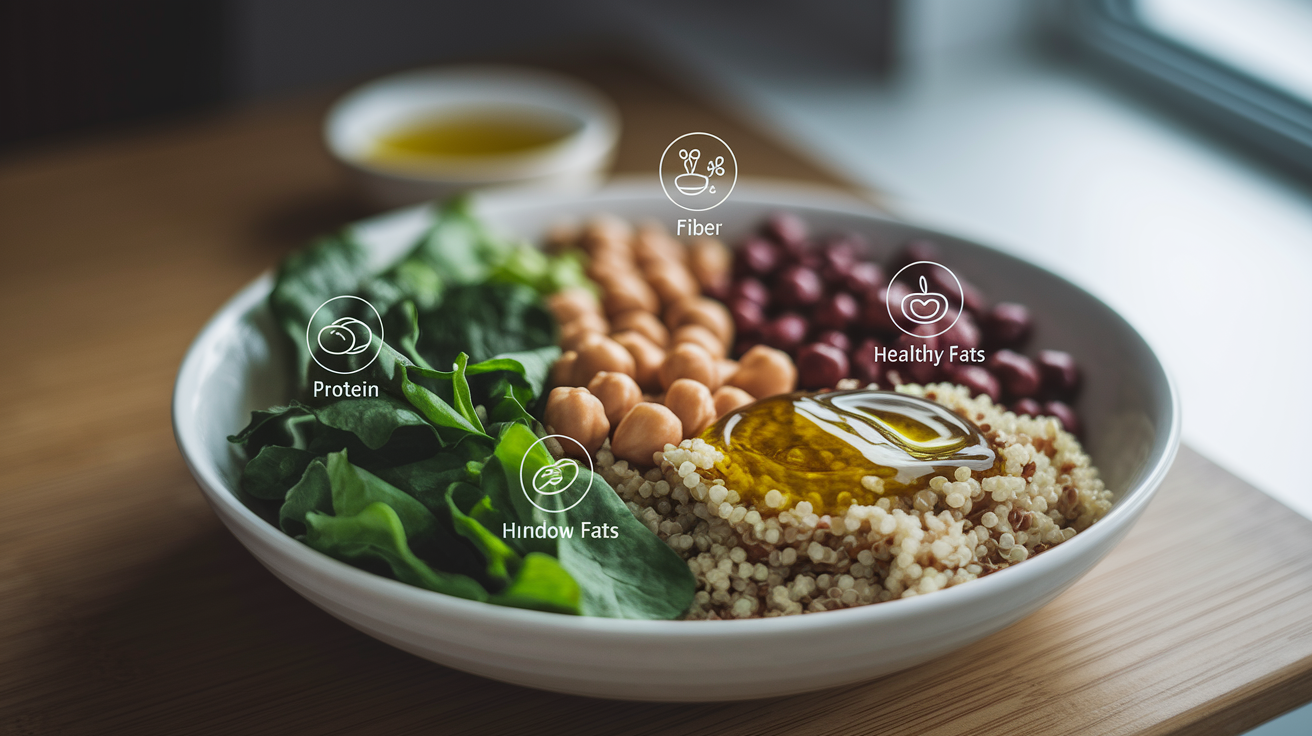
What you eat directly shapes how your cells respond to insulin, how quickly glucose enters your bloodstream, and how long you feel full. Protein, fiber, and healthy fats all slow digestion and buffer glucose spikes. Ultra-processed foods like refined grains, added sugars, and industrial seed oils trigger rapid blood sugar surges and provide almost no satiety. Balancing macronutrients at each meal keeps insulin levels steady, reduces cravings, and gives your body a constant, controlled flow of energy instead of peaks and crashes.
Protein is especially powerful for metabolic health. It takes longer to digest than carbs or fats, which increases thermogenesis (the energy cost of digestion) and keeps you satisfied for hours. Eating 1.2 to 2.0 g of protein per kilogram of body weight each day supports muscle growth and repair, stabilizes glucose, and reduces late-night snacking. A 70 kg person needs about 84 to 140 g. Distributing that protein across three or four meals, 20 to 40 g per meal, maximizes muscle protein synthesis and prevents the insulin spikes that come from carb-heavy breakfasts or lunches.
Fiber slows the absorption of glucose into your bloodstream and feeds beneficial gut bacteria that produce short-chain fatty acids. Those fatty acids improve insulin sensitivity. Aiming for around 50 g of fiber per day from a mix of soluble fiber (beans, oats, flax) and insoluble fiber (leafy greens, nuts, seeds) is a practical target that studies link to lower type 2 diabetes risk. Most high-fiber foods contain both types, so variety matters more than precision. When you combine fiber with protein and healthy fats in the same meal, you flatten the post-meal glucose curve and extend satiety.
Lean proteins. Chicken, turkey, fish, eggs, Greek yogurt, cottage cheese, tofu, and tempeh provide essential amino acids without excess saturated fat.
High-fiber vegetables. Leafy greens, broccoli, Brussels sprouts, cauliflower, bell peppers, and zucchini deliver fiber, vitamins, and minimal glucose impact.
Legumes. Lentils, chickpeas, black beans, and pinto beans offer fiber, plant protein, and a low glycemic load that supports stable blood sugar.
Whole grains. Quinoa, steel-cut oats, farro, and brown rice provide more fiber and nutrients than refined grains, though portion control is important if you’re targeting lower glucose variability.
Healthy fats. Avocado, olive oil, nuts, seeds, and fatty fish (salmon, mackerel, sardines) supply omega-3s and monounsaturated fats that reduce inflammation and improve satiety.
Low-sugar fruits. Berries, green apples, citrus, and pears deliver fiber, antioxidants, and less fructose than tropical fruits or dried fruit, making them a better choice for stable glucose.
Movement and Exercise for Metabolic Efficiency

Muscle is metabolically active tissue that pulls glucose out of your bloodstream without needing large insulin spikes. The more muscle mass you carry, the better your insulin sensitivity and the higher your resting metabolic rate. Resistance training builds that muscle and creates cellular adaptations that improve glucose uptake for hours after each session. Lifting weights, bodyweight exercises, resistance bands.
Combining strength work with regular aerobic exercise and frequent low-intensity movement throughout the day gives you the broadest metabolic benefit. Improved mitochondrial efficiency, lower fasting glucose, better lipid profiles, and reduced visceral fat.
Walking after meals is one of the simplest, highest-return habits for metabolic health. A short walk, 10 to 15 minutes at a comfortable pace, lowers the post-meal glucose spike by activating muscle glucose uptake when your blood sugar peaks. That small intervention repeated daily reduces average glucose variability, cuts insulin demand, and prevents the oxidative stress and endothelial damage that come from repeated sharp spikes. If you can’t walk outside, pacing indoors, doing light chores, or even standing and moving in place for a few minutes will help.
Simple Weekly Training Framework
Start with two to three resistance training sessions per week, each lasting 30 to 45 minutes. Focus on multi-joint movements like squats, lunges, push-ups, rows, and deadlifts. Aim for 2 to 4 sets of 6 to 12 reps per exercise, progressively adding weight or resistance every few weeks.
On the other days, walk at least 30 minutes daily (or accumulate 7,000 to 10,000 steps). Add one moderate-intensity cardio session, 20 to 30 minutes of brisk walking, cycling, or swimming. Consider one high-intensity interval session each week: 4 to 6 intervals of 30 to 60 seconds hard effort with 1 to 2 minutes rest. This mix builds muscle, improves aerobic capacity, and keeps daily energy expenditure high without overtraining.
Sleep Optimization for Metabolic Stability

Sleep is when your body restores hormonal balance, repairs tissues, and consolidates metabolic processes. Going to bed and waking at consistent times synchronizes your circadian rhythm, which regulates insulin secretion, cortisol release, and appetite hormones like ghrelin and leptin.
When you shift your sleep schedule by more than an hour night to night, or routinely sleep less than seven hours, your body treats it as a stressor. Insulin sensitivity drops. Evening cortisol stays elevated. Hunger signals increase, especially cravings for refined carbs and sugar.
Even one night of sleep restriction (six hours or less) impairs glucose tolerance the next day. Over weeks, chronic short sleep raises fasting glucose, increases insulin resistance, and contributes to weight gain and metabolic syndrome. Aiming for 7 to 9 hours of high-quality sleep, with a consistent bedtime within a 30-minute window, is one of the most effective metabolic interventions you can make.
Practical sleep hygiene starts with light exposure. Get natural sunlight within 30 minutes of waking to anchor your circadian clock. Dim lights 60 to 90 minutes before bed to allow melatonin production. Avoid screens during that window, or use blue-light filters if you must. Keep your bedroom cool, dark, and quiet. Finish eating at least two to three hours before bed so digestion doesn’t interfere with sleep onset.
If you wake frequently or feel unrefreshed despite adequate hours, consider a sleep study to rule out apnea or other disorders that directly worsen metabolic health.
Stress Regulation and Hormonal Balance

Chronic stress elevates cortisol and catecholamines (adrenaline and noradrenaline), which signal your liver to release glucose and your cells to resist insulin. This response is useful in acute danger. But when it runs continuously (work pressure, financial worry, relationship conflict, sleep deprivation), your blood sugar stays higher, fat storage increases (especially around the abdomen), and cravings for high-calorie, low-nutrient foods intensify. Stress also disrupts sleep, which compounds the metabolic damage.
Reducing stress improves measurable markers. One study of 20 breathing sessions over eight weeks produced a marked decrease in cortisol compared to a control group. Reviews of meditation and deep-breathing interventions in prehypertensive and hypertensive adults show consistent reductions in blood pressure, heart rate, and anxiety. These aren’t minor effects. They’re clinically meaningful shifts that support better glucose control, lower inflammation, and improved cardiovascular risk profiles.
You don’t need hour-long sessions. Daily practice of 10 to 20 minutes can be enough if it’s consistent. The key is activating the parasympathetic nervous system (rest and digest mode) to counterbalance the chronic sympathetic activation (fight or flight) that modern life triggers.
Deep diaphragmatic breathing. Breathe in slowly through your nose for a count of four, hold for four, exhale through your mouth for six to eight counts. Repeat for five to ten minutes daily.
Morning sunlight exposure. Spend 10 to 15 minutes outside within an hour of waking to regulate cortisol rhythm and improve mood and alertness.
Mindfulness or meditation. Use guided apps or simple breath-focus sessions to reduce rumination and lower baseline stress reactivity.
Low-intensity movement. Walking in nature, gentle yoga, or stretching sessions reduce cortisol without adding physical stress, making them ideal for rest days.
Evidence-Based Supplements That Support Metabolism

Supplements aren’t a replacement for diet, exercise, and sleep. But a few have consistent research backing for metabolic health when you’re addressing specific deficiencies or need targeted support.
Magnesium improves insulin sensitivity and supports glucose regulation, especially in people with low magnesium status (common in Western diets). Omega-3 fatty acids (EPA and DHA from fish oil) reduce systemic inflammation, lower triglycerides, and may improve insulin signaling. Vitamin D deficiency is linked to insulin resistance and poor glucose control. Supplementation in deficient individuals can improve metabolic markers.
Berberine, a compound from certain plants, has been studied for its glucose-lowering effects and may work through pathways similar to metformin. It can interact with medications and cause digestive upset in some people. Always review supplements with a clinician, especially if you take medications like anticoagulants, blood-pressure drugs, or diabetes medications, because interactions can be significant.
| Supplement | Primary Benefit |
|---|---|
| Magnesium (200 to 400 mg/day) | Improves insulin sensitivity and glucose control, especially if deficient; supports sleep quality |
| Omega-3 (1 to 3 g EPA+DHA/day) | Reduces triglycerides by 20 to 30% in hypertriglyceridemia; lowers inflammation and supports cardiovascular health |
| Vitamin D3 (1,000 to 2,000 IU/day) | Corrects deficiency linked to insulin resistance; target serum 25(OH)D ≥30 ng/mL for metabolic benefit |
| Berberine (500 mg 2 to 3 times/day) | May lower fasting glucose and HbA1c through insulin-sensitizing pathways; consult clinician before use |
Final Words
In the action, you learned what strong metabolic health looks like—key markers (glucose, lipids, waist) and fast-impact habits: a post-meal walk, protein at meals, strength sessions, consistent sleep, stress tools, and a few supplements.
Pick one small step this week—10 minutes after dinner, more protein at breakfast, or a steady bedtime.
Learning how to improve metabolic health is doable. Start with one habit, stick with it, and build from there.
FAQ
Q: What are the 5 signs of metabolic health?
A: The five signs of metabolic health are steady fasting blood sugar, a healthy waist size, normal blood pressure, favorable blood lipids (low triglycerides, higher HDL), and good insulin sensitivity.
Q: How do you increase your metabolic health?
A: You increase your metabolic health by stabilizing blood sugar, building muscle, and improving sleep—start with 10‑minute walks after meals, 25–35 g protein per meal, 2–3 weekly resistance sessions, and consistent sleep timing.
Q: What are the five metabolic superfoods?
A: The five metabolic superfoods are salmon (omega‑3 rich healthy fats), beans (fiber and protein), oats (slow carbs and fiber), leafy greens (micronutrients and fiber), and berries (low‑sugar antioxidants).
Q: What is a metabolism killer?
A: A metabolism killer is prolonged poor lifestyle patterns—especially chronic sleep loss, long periods of sitting, and frequent ultra‑processed food intake—that reduce insulin sensitivity, lean mass, and resting energy use.