
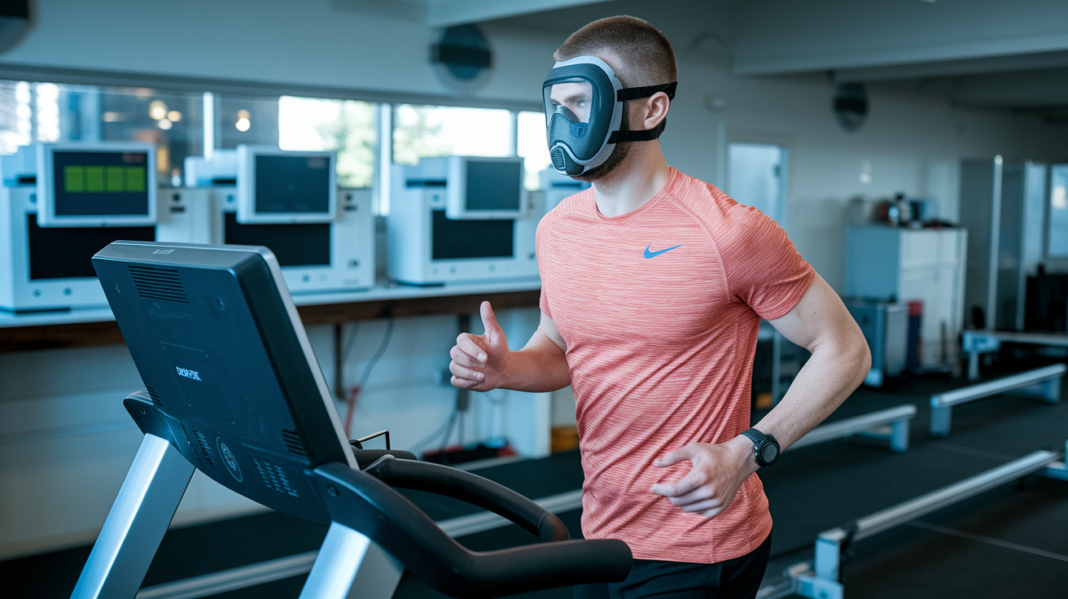

What if a single number could predict how long you can run, cycle, or climb stairs before you gas out?
It’s called aerobic capacity, your body’s oxygen power potential.
Put simply, it’s the maximum oxygen your body can take in, move through the blood, and use in your muscles during hard or long exercise.
We measure it as VO2 max (ml/kg/min), a score of how well your heart, lungs, blood, and muscles work together.
This post will show what that number really means, why it changes with age and training, and simple, practical steps to improve it.
Core Explanation of Aerobic Capacity and VO2 Max
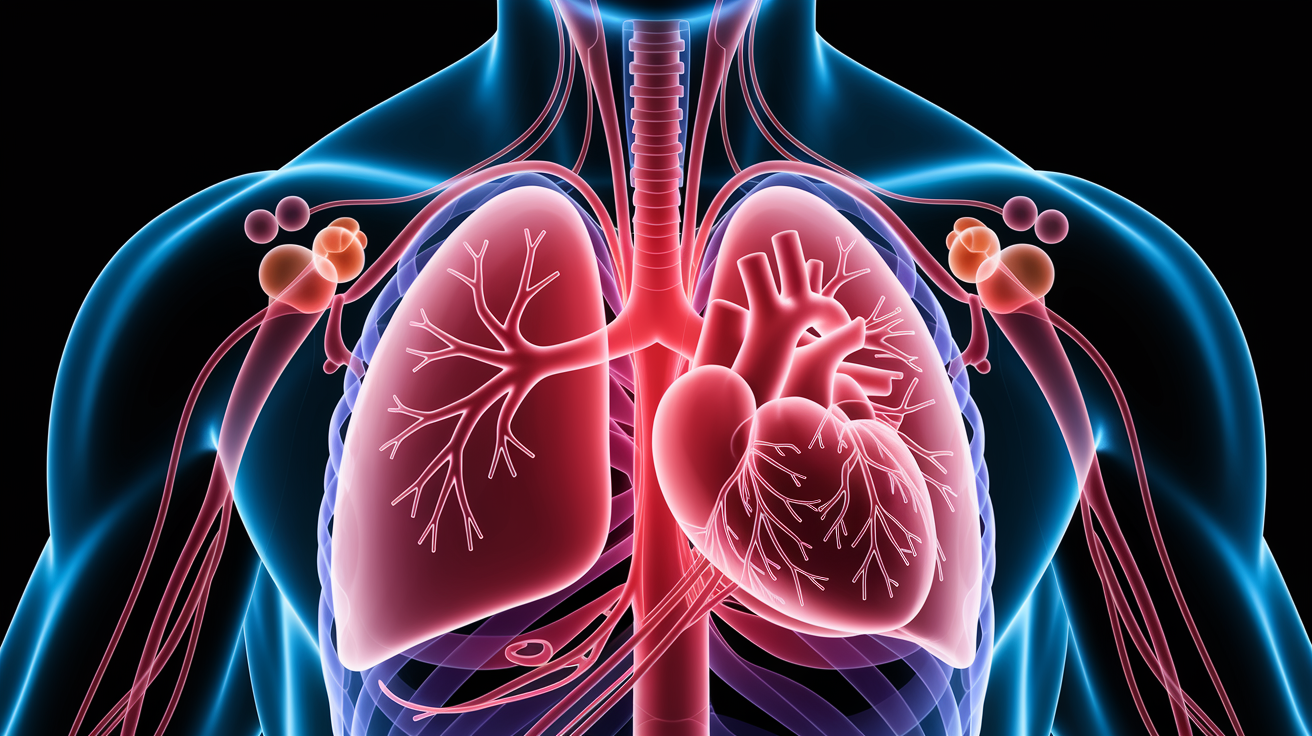
Aerobic capacity is the maximum amount of oxygen your body can take in, move through your bloodstream, and actually use in your muscles when you’re exercising hard or for a long time. It’s basically how well your heart, lungs, blood, and muscle tissue work together to get oxygen where it needs to go and turn it into energy you can use. When you’re running, cycling, swimming, or rowing, your aerobic capacity decides how long and how hard you can keep going before you get tired enough that you have to slow down or quit.
VO2 max is how we measure that capacity precisely. It’s expressed in milliliters of oxygen per kilogram of body weight per minute (ml/kg/min), and it shows the peak rate your body can consume oxygen when you’re going all out. A recreational runner might hit a VO2 max around 40 to 45 ml/kg/min. Elite endurance athletes can reach 70 or higher. A higher number means your cardiovascular system is better at powering movement without falling back on less efficient, short term energy systems.
Aerobic capacity isn’t the same thing as aerobic endurance. Capacity describes your ceiling, the upper limit of how much oxygen you can use. Endurance describes how long you can keep going at a pace below that maximum, like holding a steady effort for an hour. Both rely on oxygen transport, but capacity is about maximum throughput. Endurance is about sustained output below that max. Your heart pumps oxygen rich blood, hemoglobin carries it to muscle cells, and mitochondria inside those cells burn the oxygen to produce ATP, the energy molecule that powers muscle contraction.
Measurement Methods for Aerobic Capacity and VO2 Max
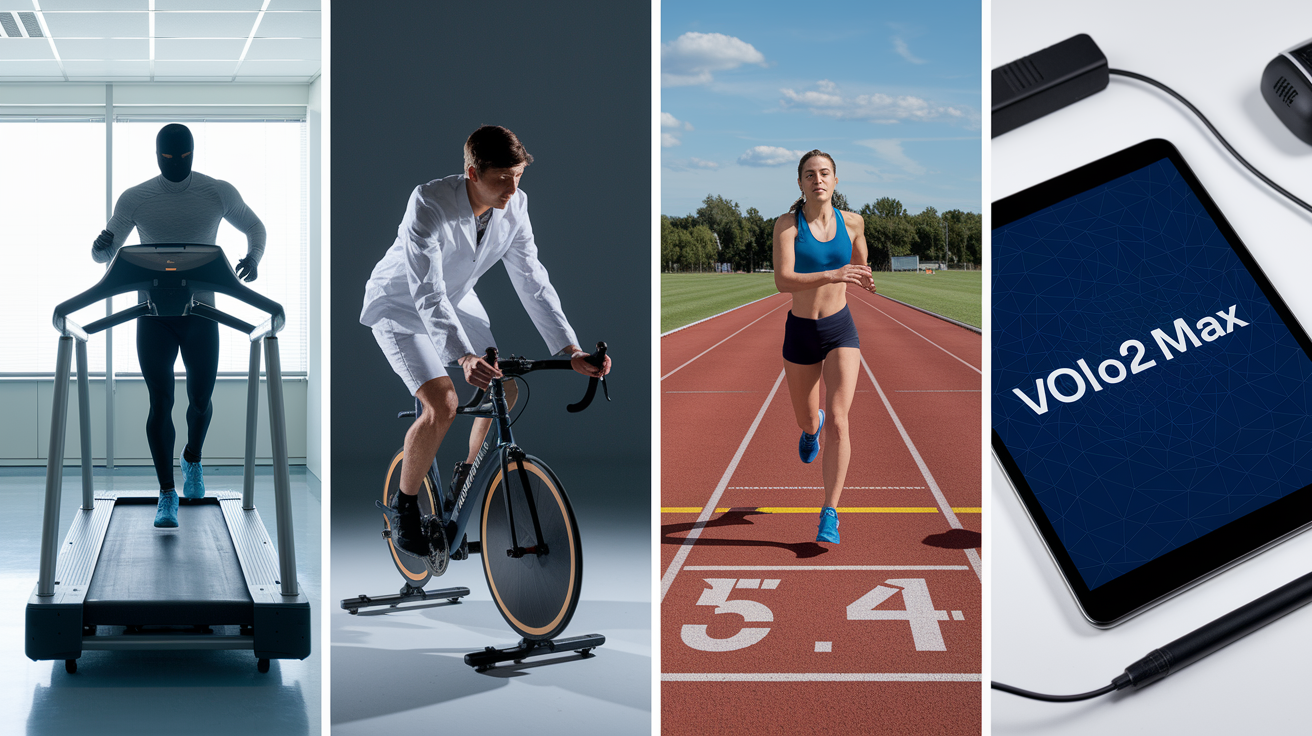
Testing aerobic capacity helps you figure out where you stand, guides your training decisions, and lets you track whether you’re improving.
The four major ways to measure it are:
- Direct lab testing: gas exchange analysis during incremental exercise until you can’t continue.
- Submaximal protocols: heart rate response at moderate intensities to estimate your max values without pushing to complete failure.
- Field tests: timed runs or walks that use the distance you cover or the time it takes to predict VO2 max.
- Algorithm based estimations: calculators that use variables like age, sex, resting heart rate, and exercise intensity to produce estimates.
VO2 Max Lab Test
The gold standard is a graded exercise test done in a lab or clinic. You wear a face mask connected to a metabolic cart that measures how much oxygen you breathe in and how much carbon dioxide you breathe out, breath by breath. The test starts at an easy pace and gets harder every one to three minutes, either by raising treadmill speed and incline or increasing resistance on a bike. You keep going until you’re completely exhausted or you can’t maintain the required pace anymore. The highest oxygen consumption recorded during the final stage is your VO2 max. This method is accurate but needs specialized equipment and trained staff, which makes it hard to access for most people unless they’re in research or elite athlete programs.
Field Tests
Field tests are practical alternatives that don’t need much equipment and can be done almost anywhere. The Cooper Test asks you to run as far as you can in 12 minutes on a track or measured route, and the distance you cover estimates your VO2 max using a standard formula. The Rockport Walk Test is gentler: walk one mile as fast as you can, record your time and heart rate at the finish, then plug those numbers into an equation along with your age and weight. The Beep Test, sometimes called the shuttle run or multi stage fitness test, has you run 20 meters back and forth at speeds that get progressively faster, dictated by audio beeps, until you can’t keep pace anymore. Treadmill and bike protocols that use heart rate response at submaximal workloads can also estimate VO2 max without making you push to total failure.
Test reliability varies. Lab tests are most accurate but least convenient. Field tests are accessible and reasonably valid when you do them correctly, but things like pacing errors, environmental conditions, and how motivated you are can skew results. If you want a baseline to guide your training, a field test every eight to twelve weeks is practical. If you need precision for research or high level programming, lab testing is worth the effort.
Physiological Foundations of Aerobic Capacity
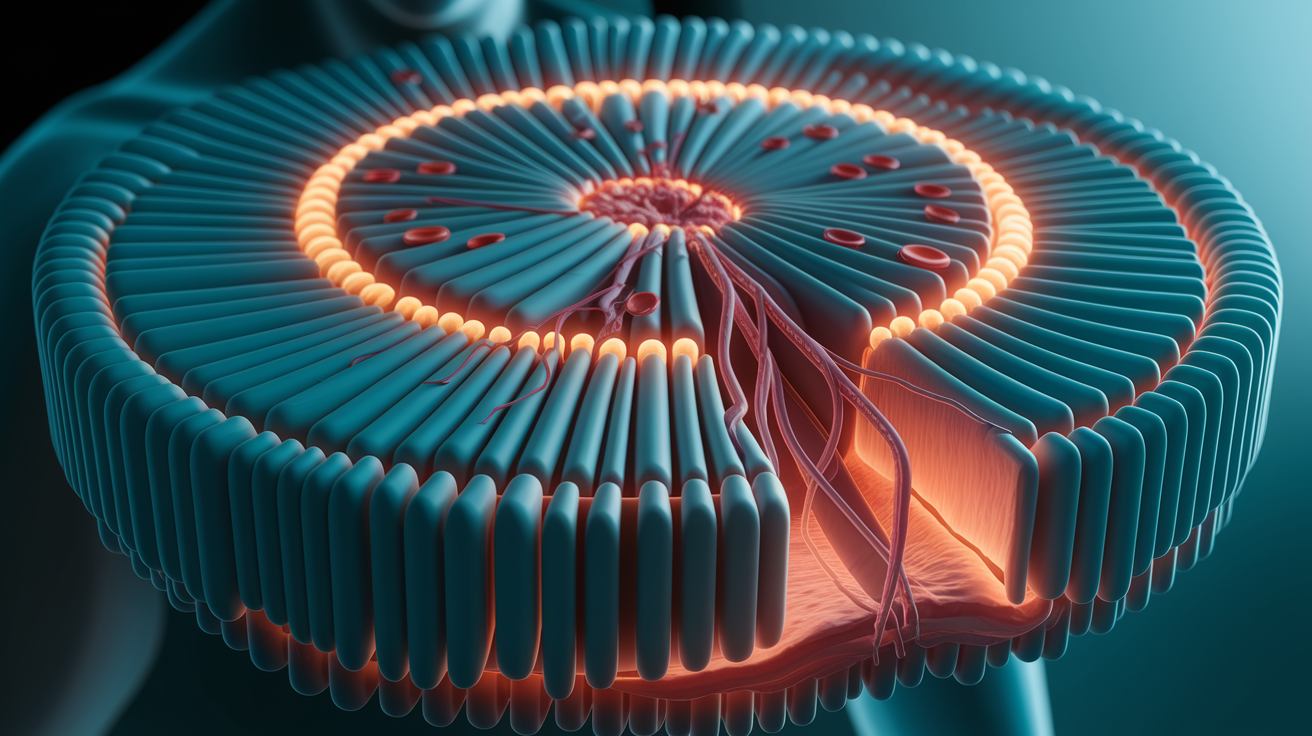
Your aerobic capacity is the product of how much oxygen rich blood your heart can pump per minute and how efficiently your muscles can extract and use that oxygen. Cardiac output, the volume of blood your heart ejects each minute, equals stroke volume (blood per beat) multiplied by heart rate. Endurance training increases stroke volume by enlarging the left ventricle, which lets the heart pump more blood with each contraction. That’s why the same cardiac output can be achieved at a lower heart rate, and it’s one reason trained athletes have lower resting and exercise heart rates than people who don’t train.
Blood carries oxygen bound to hemoglobin molecules inside red blood cells. The higher your hemoglobin concentration and total blood volume, the more oxygen each liter of blood can deliver to working muscles. Training increases both, along with plasma volume, which further boosts oxygen transport capacity. Efficient breathing mechanics and healthy lung tissue make sure oxygen diffuses quickly from inhaled air into the bloodstream.
At the muscle level, oxygen gets consumed inside mitochondria, the cellular power plants that produce ATP aerobically. Endurance training increases the number and size of mitochondria in muscle fibers, a process called mitochondrial biogenesis. It also raises capillary density, the network of tiny blood vessels surrounding each muscle fiber, which shortens the diffusion distance for oxygen and nutrients. Slow twitch (Type I) muscle fibers are packed with mitochondria and rely heavily on aerobic metabolism, making them the primary drivers of sustained endurance performance. Fast twitch fibers contribute too, especially during higher intensity efforts that still fall within the aerobic range.
| Component | Role in Aerobic Capacity |
|---|---|
| Heart stroke volume | Determines how much oxygen rich blood is pumped per beat. Higher stroke volume raises cardiac output and oxygen delivery. |
| Hemoglobin and oxygen transport | Carries oxygen in the blood. More hemoglobin and blood volume mean greater oxygen carrying capacity. |
| Mitochondrial density | Burns oxygen to produce ATP inside muscle cells. More mitochondria improve the muscle’s ability to use delivered oxygen. |
| Capillary density | Increases blood supply to muscle fibers, shortening diffusion distance and speeding oxygen transfer from blood to cells. |
Factors That Influence Aerobic Capacity Across Life Stages

Genetics set your baseline potential and determine how much you can improve with training. Some people inherit larger hearts, higher hemoglobin levels, or a greater proportion of slow twitch fibers, giving them a head start in endurance events. Research suggests that up to 50 percent of the variability in untrained VO2 max and the size of your training response is heritable. But even people with average genetic potential can achieve substantial gains through consistent, structured training.
Biological sex plays a role too. On average, males have VO2 max values 10 to 20 percent higher than females of similar age and training status. The difference is mostly due to greater hemoglobin concentration and larger heart and lung volumes in males, along with differences in body composition (males typically carry less body fat relative to lean mass). Female athletes can and do reach elite levels of endurance performance, and training adaptations follow the same physiological principles regardless of sex. Age affects everyone. VO2 max typically peaks in the late teens to early twenties and declines by roughly 10 percent per decade after age 30 in people who don’t exercise. Regular aerobic training can slow that decline significantly, and older adults who train consistently often maintain or even improve their aerobic capacity well into middle age and beyond.
Things you can actually change include:
- Training volume and consistency: more frequent and longer aerobic sessions drive greater adaptations in cardiac output, mitochondrial density, and capillary growth.
- Body composition: carrying excess body fat raises the denominator in the VO2 max equation (ml/kg/min), lowering your relative score even if absolute oxygen consumption stays the same.
- Lifestyle habits: adequate sleep, balanced nutrition, hydration, and stress management support recovery and help you get the most out of the physiological adaptations that raise aerobic capacity.
Training Methods to Improve Aerobic Capacity

Structured aerobic training consistently signals your cardiovascular and muscular systems to adapt. Over weeks and months, your heart grows stronger, your blood volume increases, mitochondria multiply, and capillaries branch into muscle fibers that weren’t getting as much blood before. The result is a higher VO2 max and the ability to sustain faster paces for longer. Three primary training approaches target these adaptations in ways that complement each other.
Steady State Training
Steady state cardio means maintaining a moderate, conversational pace for 30 to 60 minutes without stopping much. Examples include an easy run, a moderate effort bike ride, a steady swim, or a rowing session where you can still talk in full sentences. This intensity sits comfortably below your lactate threshold, so you can accumulate training time without getting too fatigued. The sustained demand for oxygen delivery strengthens the heart’s pumping capacity, increases stroke volume, and stimulates capillary and mitochondrial growth in slow twitch muscle fibers. Most people who aren’t elite athletes should do the bulk of their weekly training volume at this intensity to build a solid aerobic base.
Interval Training
Interval training alternates short bursts of higher intensity with periods of active recovery, challenging your oxygen transport and utilization systems more acutely than steady efforts. A common protocol is 30 seconds of near maximal effort (a hard run, sprint on the bike, or fast swim) followed by one to two minutes of easy jogging, spinning, or rest. Repeat the cycle for a total session duration of 20 to 30 minutes, including warm up and cool down. These intervals push your heart rate and breathing rate higher, forcing rapid adjustments in oxygen delivery and driving adaptations that raise VO2 max. Because the work intervals are short and recovery is built in, you can sustain higher peak intensities than you could in a continuous effort. That makes interval sessions time efficient and potent stimuli for aerobic improvement.
Long Low Intensity Sessions
Long, low intensity efforts lasting one to two hours at an easier pace than your steady state runs extend time under load, further promoting mitochondrial growth and teaching your body to rely more on fat oxidation for fuel. These sessions are especially valuable if you’re training for half marathons, marathons, or century rides, where endurance over multiple hours matters. The slower pace keeps stress manageable, reduces injury risk, and lets you accumulate high training volume without the recovery demands of hard intervals. Over time, these adaptations raise your aerobic ceiling and make efforts that used to feel hard feel easier.
Practical weekly training tips:
- Progress gradually: add one to two minutes to your run or ride duration each week, or increase interval repetitions by one every two weeks, to avoid overtraining and injury.
- Frequency matters: aim for at least three to four aerobic sessions per week. Consistency drives adaptation more reliably than sporadic hard efforts.
- Use heart rate zones: monitor intensity with a heart rate monitor to stay in the appropriate zone for each session type (Zone 2 for steady state, Zone 4 to 5 for intervals).
- Include cross training: swap one or two weekly sessions for swimming, cycling, or rowing to increase load without repetitive stress injury from a single movement pattern.
- Prioritize recovery: aerobic adaptations happen during rest, not during the workout itself. Schedule at least one full rest day per week and keep easy days truly easy.
Comparing Aerobic Capacity to Lactate Threshold and Anaerobic Capacity
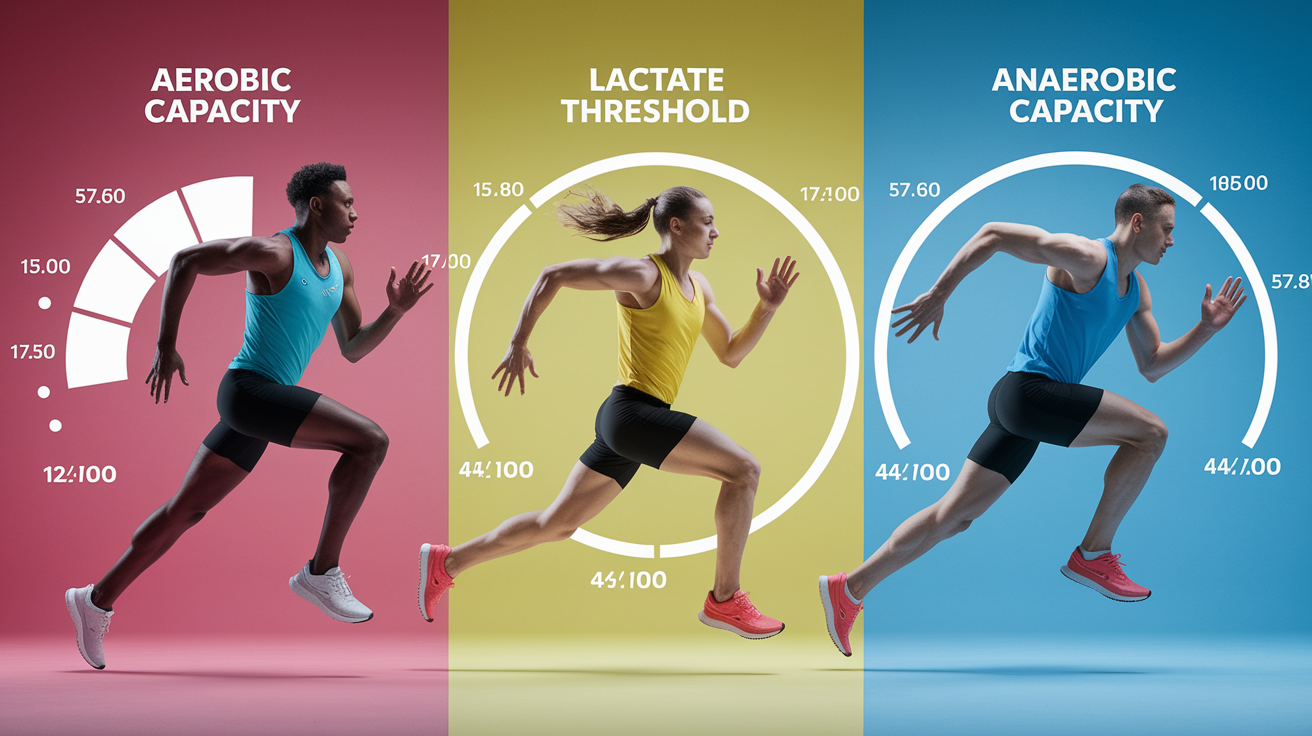
Aerobic capacity and lactate threshold are related but measure different aspects of endurance performance. Aerobic capacity (VO2 max) is your ceiling, the maximum rate at which your body can consume oxygen during all out effort. Lactate threshold is the exercise intensity at which lactate begins to accumulate faster than your body can clear it, typically expressed as a percentage of VO2 max or as a specific pace or power output. An athlete with a high VO2 max but a low lactate threshold will fatigue quickly at race pace. An athlete with a moderate VO2 max but a high lactate threshold can sustain a greater percentage of their max for extended periods. Training to raise lactate threshold involves tempo runs and threshold intervals that teach your muscles to buffer and clear lactate more efficiently.
Anaerobic capacity powers short, explosive efforts lasting seconds to roughly two minutes, like a 400 meter sprint, a max effort set of heavy squats, or a final kick in the last 200 meters of a race. These efforts rely on energy systems that don’t require oxygen in real time, producing ATP through phosphocreatine breakdown and glycolysis. Byproducts like lactate and hydrogen ions accumulate rapidly, causing the burning sensation and forcing you to stop or slow dramatically. Anaerobic training improves your ability to generate high power outputs and tolerate metabolic byproducts, but it doesn’t directly raise VO2 max. Most endurance events beyond 800 meters depend primarily on aerobic metabolism. Anaerobic contributions become relevant only during surges, hills, or finishing sprints.
| Metric | What It Measures | Best For |
|---|---|---|
| Aerobic Capacity (VO2 max) | Maximum oxygen consumption during intense exercise | Events lasting several minutes to hours (5K, 10K, marathon, cycling, swimming) |
| Lactate Threshold | Intensity at which lactate accumulation exceeds clearance | Sustained race pace in middle distance and endurance events |
| Anaerobic Capacity | Ability to produce high power without oxygen over short durations | Sprints, explosive lifts, and short bursts under two minutes |
Final Words
In practical terms, aerobic capacity (VO2 max) is your body’s max oxygen use during sustained effort. We defined it, explained VO2 max testing and field tests, and outlined the heart, blood, and muscle factors that make it possible.
We covered what affects aerobic capacity across life stages and gave training options like steady state and intervals, plus simple tests you can try.
If you’re asking what is aerobic capacity, start small—add one interval session or a 20 to 30 minute steady ride this week. You’ll likely see progress with steady effort.
FAQ
Q: What is the meaning of aerobic capacity and how is it best described?
A: The meaning of aerobic capacity and its best description is the maximum oxygen your body can use during sustained exercise, reflecting how efficiently your heart, lungs, blood, and muscles deliver and use oxygen.
Q: How do you find out your aerobic capacity?
A: You find out your aerobic capacity by measuring VO2 max in a lab (mask and gas analysis) or estimating it with field tests like the Cooper 12‑minute run, Rockport walk, beep test, or online calculators.
Q: How do I improve my aerobic capacity?
A: You improve your aerobic capacity by regular training: steady 30–60 minute moderate sessions, interval or HIIT workouts, long low‑intensity endurance sessions, plus gradual progression, cross‑training, and consistent recovery.