
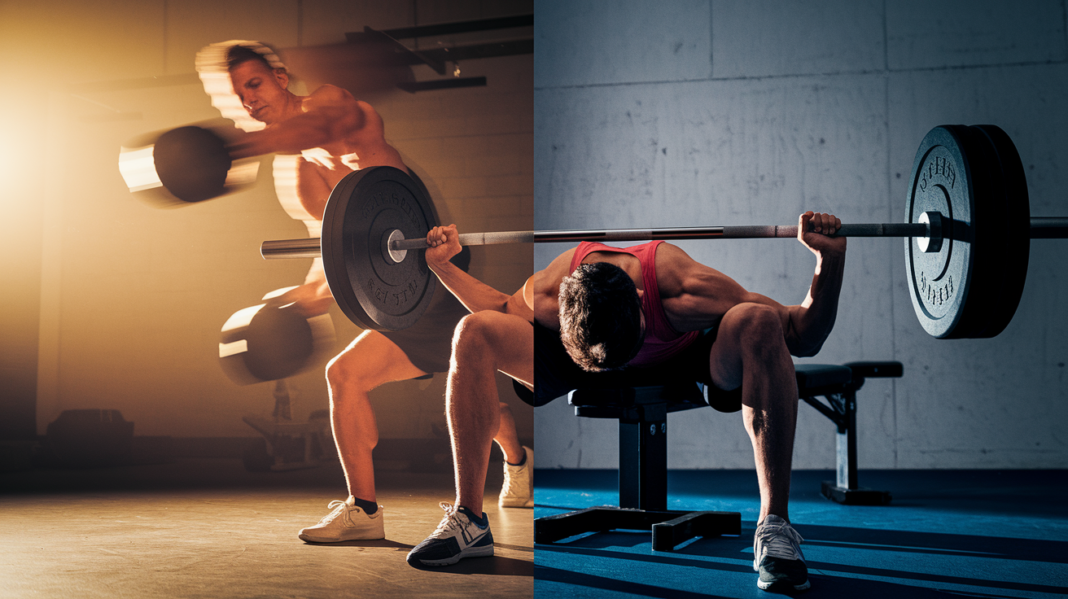

Which builds better results: functional training or traditional weightlifting?
Functional training teaches your body to move as one unit, challenging balance, carries, and twisting so everyday tasks feel easier.
Traditional weightlifting targets specific muscles with barbells, machines, and steady progressive overload to build measurable size and max strength.
Which is better? It depends on your goal.
If you want usable, safer strength and movement, functional work usually wins.
If you want bigger muscles or heavier lifts, traditional lifting is more direct.
Most people get the best results by mixing both.
It also gives three simple steps to start.
Core Distinctions Between Functional Training and Traditional Weightlifting

Functional training is all about movement patterns that show up in your actual life. You’re not just working muscles in isolation. You’re teaching your body to move as one connected system through multiple joints and planes of motion at the same time. Balance, coordination, and core stability get challenged together. Think about carrying groceries up the stairs, scooping a toddler off the floor, or twisting around to grab something behind you. Those are the movements functional training prepares you for. Common exercises include squats that mimic how you sit and stand, lunges that improve your walking stability, and rotational work that strengthens your trunk through real angles you actually use.
Traditional weightlifting focuses on progressive overload. The goal is building maximal strength and muscle size. Barbells, dumbbells, and machines let you lift heavy loads through controlled paths. You’re often isolating specific muscles. Biceps curls for arm size. Leg extensions for quad development. Bench press for chest and triceps strength. Progress is measurable: you add weight to the bar, increase reps at a given load, or hit a new one rep max. This method excels at creating hypertrophy and raw strength because it lets you systematically overload muscles week after week.
The key difference comes down to purpose. Traditional weightlifting asks “how much can this muscle lift?” Functional training asks “how well can my body move?” One builds capacity through targeted overload. The other builds usable strength through integrated patterns. Both reduce injury risk and improve fitness, but they get there through different pathways. Understanding that distinction helps you pick the right tool for your goal.
| Training Method | Primary Focus | Typical Exercises | Equipment Used | Suitable For |
|---|---|---|---|---|
| Functional Training | Movement quality, balance, coordination, real world strength | Kettlebell swings, lunges, farmer’s carries, TRX rows, single leg deadlifts | Bodyweight, kettlebells, resistance bands, suspension trainers, medicine balls | Athletes, older adults, rehabilitation, daily function improvement, sport specific prep |
| Traditional Weightlifting | Maximal strength, muscle hypertrophy, measurable load progression | Barbell squats, bench press, deadlifts, shoulder press, bicep curls, leg press | Barbells, weight plates, dumbbells, cable machines, selectorized machines | Bodybuilding, powerlifting, strength athletes, anyone prioritizing muscle mass or pure strength |
Benefits and Drawbacks of Each Training Method

People choose functional training because it makes everyday life easier and safer. If you’ve ever felt wobbly on one leg, struggled to lift something awkwardly shaped, or noticed your back tightens when you twist, functional training addresses those gaps. It builds strength that transfers directly to tasks outside the gym. Getting out of a low chair without using your hands. Carrying a heavy bag without leaning. Playing with kids without tweaking something.
Functional Training Benefits:
- Improves balance and single leg stability, reducing fall risk
- Enhances core strength in dynamic, real world positions
- Builds coordination and multi muscle integration
- Increases mobility and joint range of motion through movement variety
- Provides built in cardiovascular conditioning when performed in circuits
The trade off is that functional training is less efficient at building maximal muscle size or hitting a specific one rep max goal. Progress can be harder to quantify. Movement quality improves gradually, and “better balance” doesn’t show up as cleanly on a spreadsheet as “added 10 pounds to the bar.”
People choose traditional weightlifting because it delivers measurable, predictable results in strength and muscle growth. If your goal is to see visible muscle development, lift heavier objects, or set a personal record in the big three lifts (squat, bench, deadlift), structured progressive overload is the most direct path.
Traditional Weightlifting Benefits:
- Maximizes hypertrophy (muscle size) through targeted overload
- Builds measurable maximal strength and power output
- Increases bone density through heavy loading
- Allows precise tracking of progress via weight, reps, and sets
- Provides clear programming guidelines backed by decades of research
The limitation is that traditional weightlifting can neglect movement variability and mobility if you’re not intentionally programming balance work or flexibility training. Spending most of your time in single plane, seated, or bilateral movements may leave gaps in coordination, unilateral strength, and functional stability.
Exercise Examples From Both Training Styles
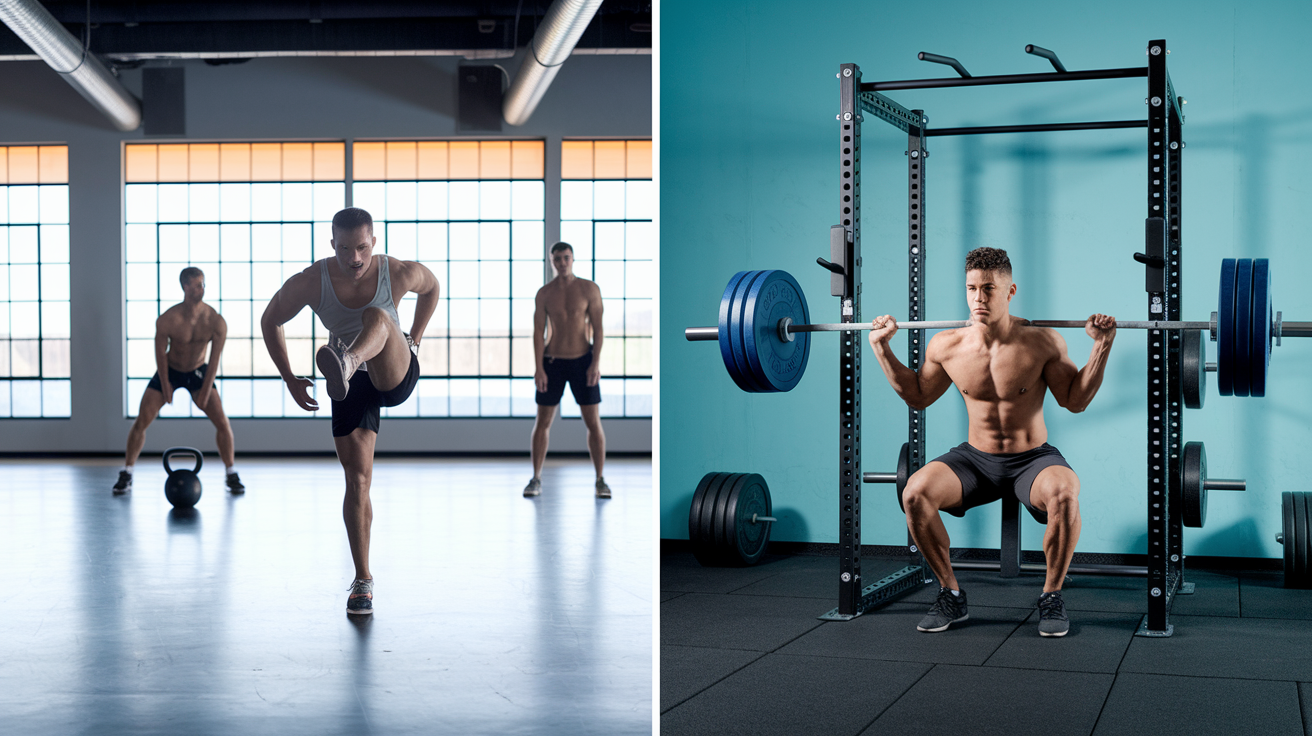
Functional training exercises challenge multiple joints, planes of motion, and stabilizing muscles at once. These movements often require you to control your body through space, balance uneven loads, or integrate upper and lower body coordination.
Functional Training Exercises:
- Kettlebell swings
- Turkish get ups
- Single leg Romanian deadlifts
- Farmer’s carries
- TRX suspension rows
- Box jumps or step ups
Traditional weightlifting exercises allow you to load specific movement patterns or muscle groups heavily and predictably. These lifts form the backbone of strength and hypertrophy programs because they’re easy to progress and measure.
Traditional Weightlifting Exercises:
- Barbell back squats
- Bench press (barbell or dumbbell)
- Conventional or sumo deadlifts
- Overhead barbell press
- Barbell rows
- Leg press or hack squats
Some exercises like squats and deadlifts appear in both lists because context matters. A barbell back squat loaded at 80% of your one rep max for three reps is traditional strength work. A goblet squat with a kettlebell for 15 reps, followed immediately by lunges and a carry, is functional training. The movement pattern overlaps. The intent and prescription differ.
Equipment Differences Between the Two Training Methods
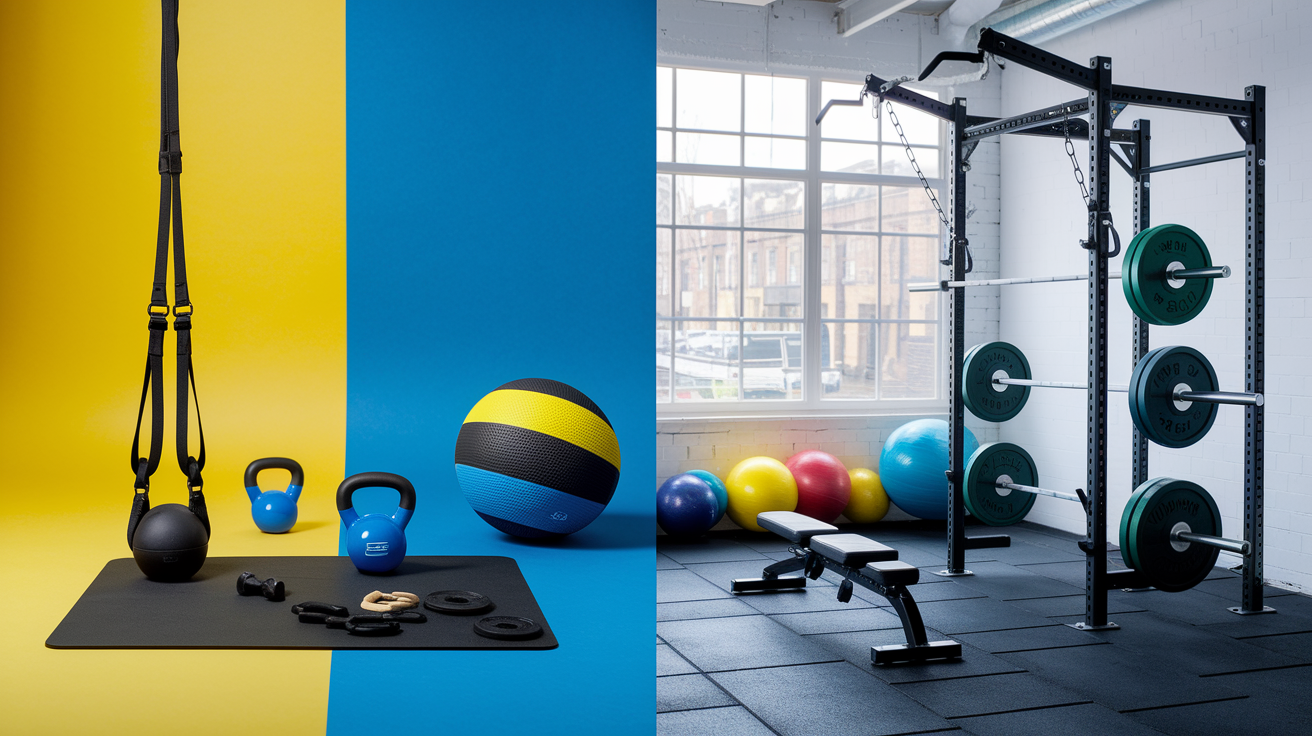
Functional training thrives on versatility and portability. Most functional setups use free weights, bodyweight, and tools that challenge stability. Kettlebells, resistance bands, suspension trainers (like TRX), medicine balls, and sleds are staples. These tools allow movement in multiple directions, uneven loading, and dynamic flows. A single kettlebell can be used for swings, goblet squats, presses, rows, and carries, all within one 20 minute session. Functional equipment is often more affordable and space efficient. A set of resistance bands costs $10 to $50. A kettlebell runs $20 to $150 depending on weight. A suspension trainer is typically $100 to $200.
Traditional weightlifting requires heavier, more structured equipment. Barbells, weight plates, power racks, adjustable benches, and cable or plate loaded machines form the core. A basic home barbell setup (bar plus plates) costs $200 to $600, and a quality power rack adds another $300 to $1,000. Commercial gym memberships grant access to a full range of machines and free weights, but replicating that at home demands more investment and space. The trade off is precision. Barbells allow micro loading (adding small increments like 2.5 pounds per side), and machines guide movement paths to isolate muscles safely under heavy load.
Key Equipment Differences:
- Functional training uses lower cost, portable tools (bands, kettlebells, bodyweight)
- Traditional weightlifting requires barbells, plates, racks, and often machines for isolation work
- Functional setups fit smaller spaces and travel well. Traditional setups need dedicated lifting zones
- Traditional equipment allows easier progressive overload in small increments. Functional tools emphasize movement variety over precise load tracking
Who Each Training Method Is Best Suited For
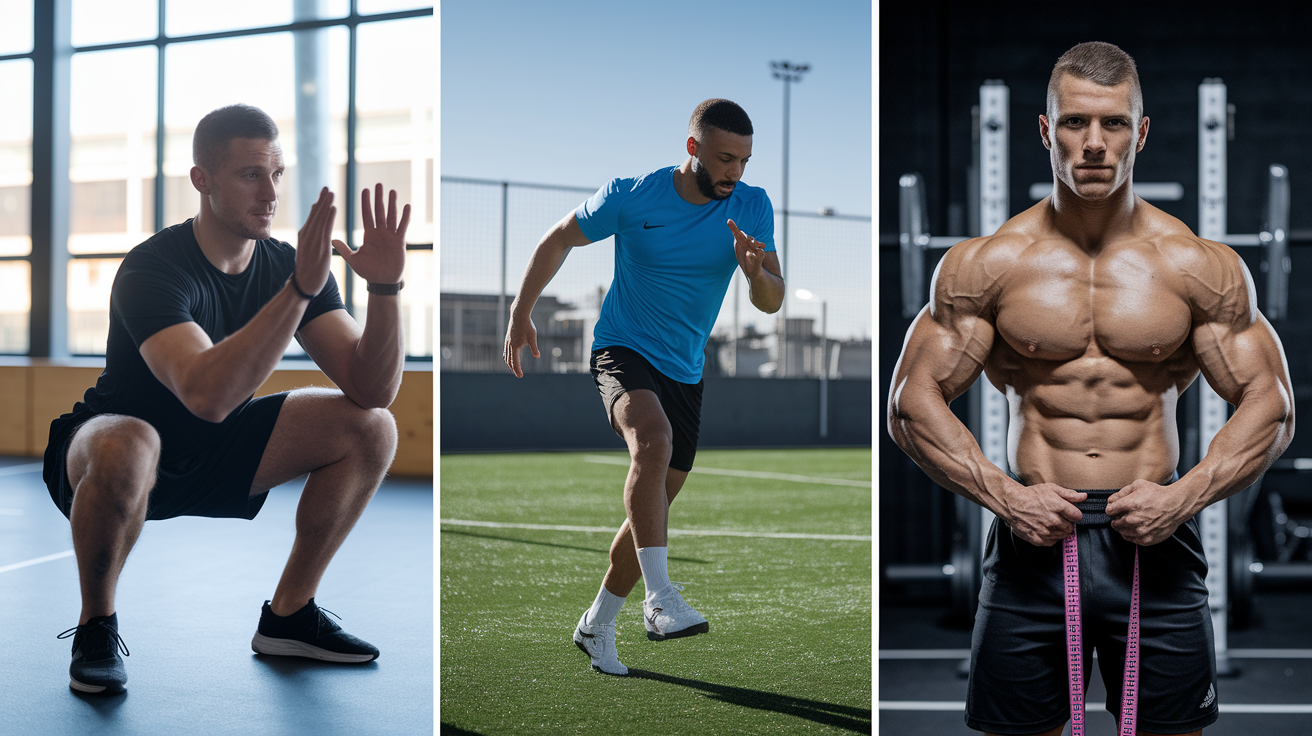
Beginners benefit from starting with functional training foundations because it teaches safe movement patterns before heavy loading. Learning to squat, hinge, push, and pull with bodyweight or light resistance builds coordination and joint integrity. Once those patterns are solid (usually within 8 to 12 weeks), adding traditional barbell work accelerates strength gains. If you’re new to training and unsure where to start, prioritize 2 to 3 sessions per week of basic functional movements. Squats, lunges, push ups, rows, carries using bodyweight or light dumbbells. Add one structured strength session with a barbell or machine after the first month to begin building measurable load progression.
Athletes and individuals training for specific sports or physical jobs (firefighters, manual laborers, parents chasing toddlers) often prioritize functional training because it mirrors the demands of their activity. A soccer player needs single leg stability, rapid direction changes, and rotational core strength. All emphasized in functional programming. A firefighter benefits from loaded carries, crawling patterns, and multi planar pulling. Traditional weightlifting still plays a role here (building baseline strength and power), but functional work ensures that strength transfers into agility, balance, and task specific movement quality. A common split for athletes is 2 heavy strength sessions per week plus 2 to 3 functional or sport specific movement days.
If your primary goal is muscle size (bodybuilding), maximal strength (powerlifting), or hitting measurable performance milestones (like a 300 pound deadlift), traditional weightlifting is the most efficient path. Hypertrophy requires consistent overload in the 6 to 12 rep range across multiple weekly sets per muscle group. Typically 10 to 20 total sets per muscle per week. Maximal strength programming uses lower reps (1 to 6) at higher intensities (80 to 95% of one rep max) and benefits from the precision of barbell training. If this describes your goal, structure 3 to 4 heavy lifting sessions per week and consider adding one functional or mobility day to maintain joint health and movement quality.
How to Combine Functional Training and Traditional Weightlifting
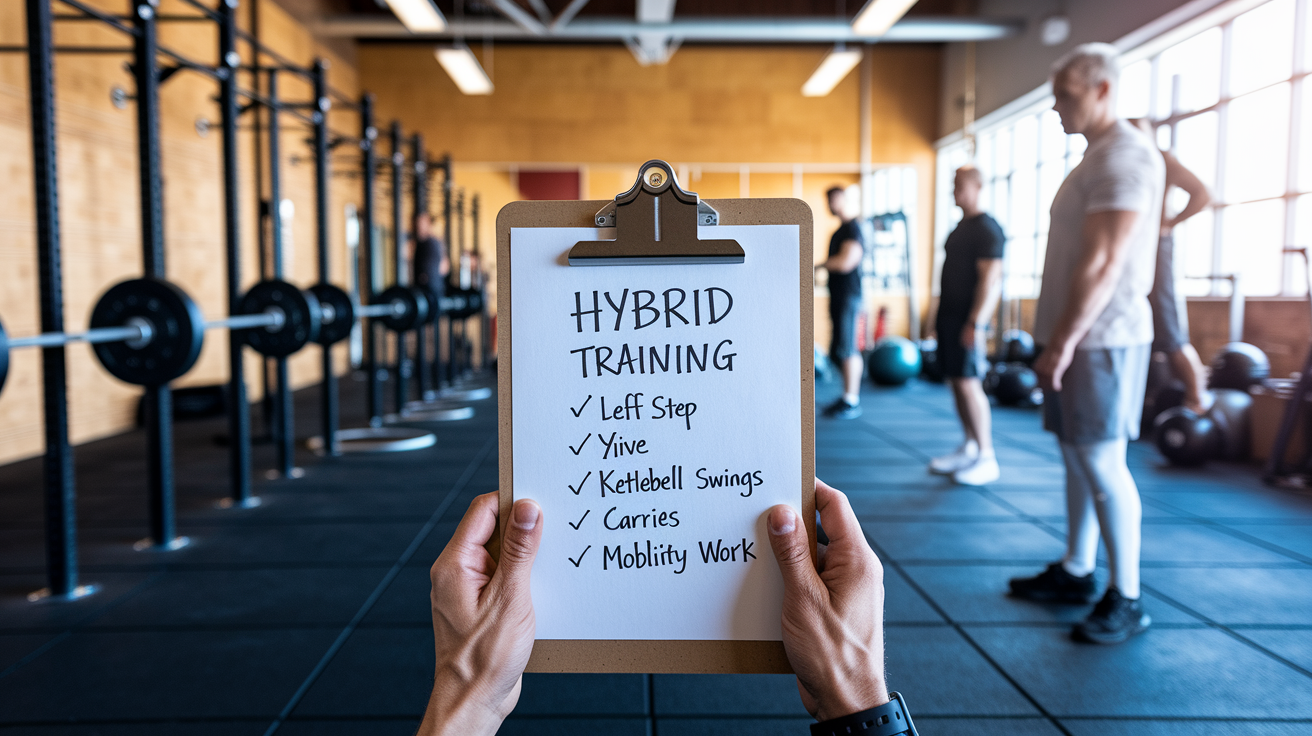
A hybrid approach gives you the best of both worlds. The measurable strength and muscle gains of traditional lifting plus the movement quality and injury resilience of functional training. Most people training for general fitness, long term health, or well rounded athletic performance will benefit from blending both methods rather than choosing one exclusively.
One practical structure is to anchor your week with 2 to 3 heavy traditional strength sessions and layer in 1 to 2 functional or conditioning days. Lift heavy on Monday (lower body: squats, deadlifts) and Thursday (upper body: bench, rows, presses), then add a functional circuit on Wednesday (kettlebell swings, lunges, carries, core work) and a short mobility or unilateral session on Saturday. This keeps your strength progression on track while ensuring you maintain balance, coordination, and movement variability.
Another option is session level integration. Start each workout with one or two heavy compound lifts (the traditional strength work), then finish with 10 to 20 minutes of functional accessory circuits. After your barbell squats, for instance, perform 3 rounds of single leg Romanian deadlifts, farmer’s carries, and planks. This approach condenses your training time and ensures every session addresses both strength capacity and functional carryover.
5 Steps for a Simple Hybrid Weekly Routine:
- Day 1 (Monday): Heavy lower body. Barbell squats or deadlifts, 3 to 5 sets of 3 to 6 reps, followed by 3 rounds of walking lunges and single leg step ups.
- Day 2 (Wednesday): Functional conditioning. Kettlebell swings, TRX rows, box jumps, and farmer’s carries in a 20 minute circuit format.
- Day 3 (Friday): Heavy upper body. Bench press or overhead press, 3 to 5 sets of 5 to 8 reps, followed by 3 rounds of push ups, band pull aparts, and core stability holds.
- Day 4 (Saturday or Sunday): Unilateral and mobility focus. Single leg deadlifts, split squats, yoga or dynamic stretching, and light loaded carries.
- Optional Day 5: Add a second functional or sport specific session (agility drills, plyometrics, sled pushes) if your schedule and recovery allow.
Final Words
We defined functional training (multi‑planar, compound movements for real‑world movement) and traditional weightlifting (structured lifts for muscle and max strength), then compared exercises, equipment, pros and cons, who each suits, and simple ways to combine them.
Pick based on your main goal: move better and gain stability? Lean functional. Want size or max strength? Lean traditional. Or mix both with a simple weekly plan.
Remember: functional training vs traditional weightlifting isn’t an either/or, it’s what helps you move, feel, and reach realistic goals. Start small and keep going.
FAQ
Q: Is functional training better than weightlifting? Can you build muscle with functional training?
A: Functional training isn’t automatically better than weightlifting. You can build muscle with functional training, but weightlifting often produces faster hypertrophy—choose or combine methods based on your goals.
Q: What is the 3-3-3 rule gym?
A: The 3-3-3 rule in gyms usually means three sets of three reps (a low‑rep strength block). Definitions vary by program. Ask your coach. It’s useful for building maximal strength and neural efficiency.
Q: Can strength training reverse osteoporosis?
A: Strength training can’t fully reverse osteoporosis, but resistance exercise can increase bone density, improve balance, and lower fracture risk for many people. Talk with your clinician before starting a loading program.