


Could your everyday tiredness actually be anemia?
A lot of people write off fatigue, pale skin, or shortness of breath as stress or lack of sleep.
But anemia (when your blood can’t carry enough oxygen because there aren’t enough healthy red blood cells) can cause those symptoms and more.
Think of red blood cells as delivery trucks carrying oxygen, and when trucks are few or empty your body loses power.
This post breaks down the most common signs to watch for, simple self-checks you can do at home, and when to see a clinician for tests.
Key Symptoms and Physical Signs to Identify Possible Anemia
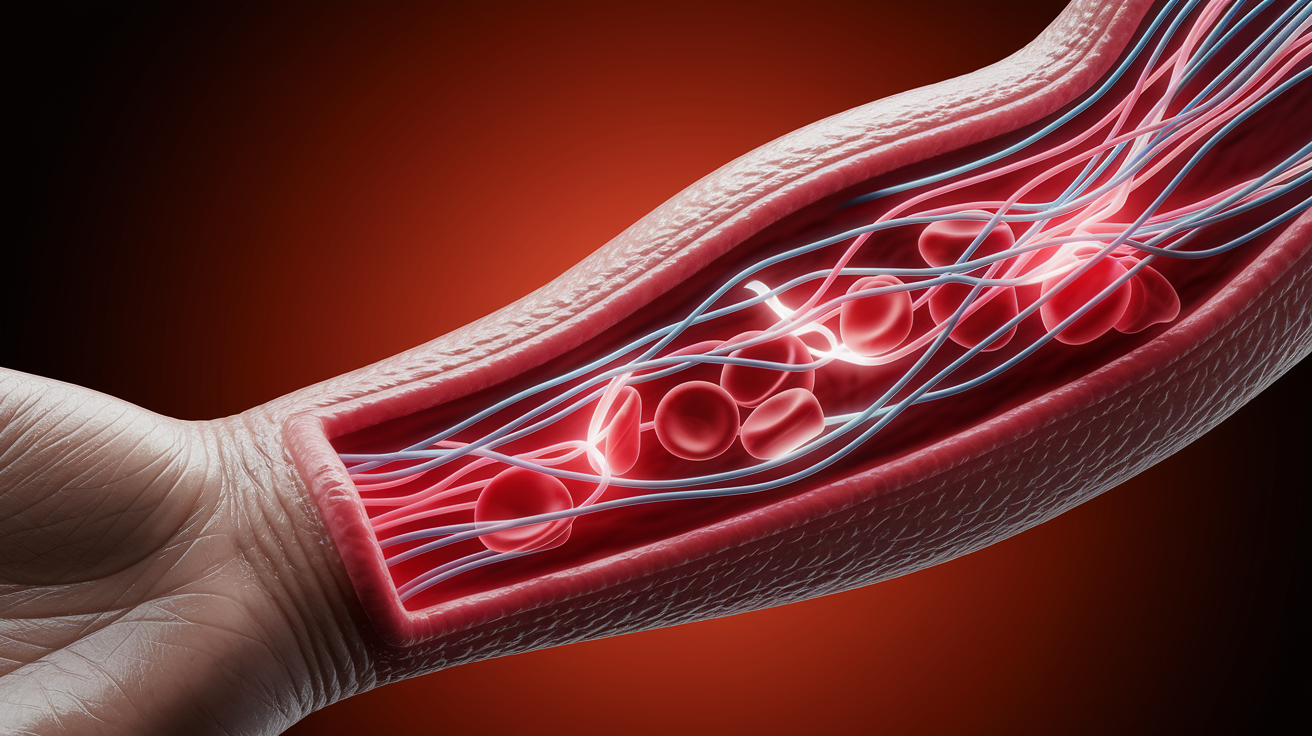
Anemia shows up when your blood can’t carry enough oxygen because you don’t have enough healthy red blood cells. Picture red blood cells like delivery trucks hauling oxygen to every part of your body. When there aren’t enough trucks on the road, or when those trucks can’t carry a full load, your muscles and organs start running short. That’s when you’ll notice physical changes.
A lot of these signs are things you can see or check on your own. Pull down your lower eyelid and look at the color inside. Check your nail beds. Healthy tissue in those spots should look pink or red. If it’s pale, grayish, or even a bit yellowish, that’s your body signaling low hemoglobin. Your nails might get brittle or start curving inward like a spoon. You might see more hair in your brush than usual.
Here are nine common symptoms that show up when oxygen delivery drops:
Fatigue and weakness. You’re wiped out even after sleeping, and everyday stuff like walking upstairs feels way harder than it should.
Pale or yellowish skin. Your face looks washed out, and the inside of your eyelids or gums is lighter than normal.
Shortness of breath. You’re winded doing things that used to be easy, like walking to the mailbox or putting away dishes.
Dizziness or lightheadedness. You feel unsteady when you stand up, or you get that quick head rush feeling.
Cold hands and feet. Your fingers and toes feel cold even when the room’s comfortable.
Rapid or irregular heartbeat. Your heart feels like it’s working overtime or skipping beats during light activity.
Headaches. You get dull, persistent headaches that don’t respond to your usual fixes.
Brittle nails or hair loss. Your nails break easily or develop ridges, and you’re noticing thinner hair or bald spots.
Unusual cravings (pica). You crave and sometimes eat non-food items like ice, clay, or dirt.
These symptoms can creep up slowly and feel mild at first. You might think it’s just stress or lack of sleep. That delay makes anemia easy to miss until it shows up on a routine blood test or gets more severe.
How Iron Deficiency and Other Common Anemia Types Affect Your Symptoms
Iron deficiency anemia is the most common type. It happens when your body doesn’t have enough iron to make hemoglobin, the protein in red blood cells that grabs onto oxygen. The usual culprits are not getting enough iron from food, losing blood through heavy periods or internal bleeding (ulcers, gastrointestinal issues), or needing extra iron during pregnancy. When iron stores run low, your body can’t produce enough healthy red blood cells.
Vitamin deficiency anemias happen when you’re low in vitamin B12 or folate. These nutrients are essential for making red blood cells in your bone marrow. You can become deficient if your diet’s limited (strict vegan diets without supplements are a common B12issue), if you have digestive disorders blocking absorption (celiac disease, Crohn’s), or if your stomach doesn’t make enough intrinsic factor (a protein needed to absorb B12). Anemia of chronic disease shows up in people with long term conditions like kidney disease, autoimmune disorders, or cancer. These illnesses mess with red blood cell production or how long the cells survive, even if you’re getting enough iron and vitamins.
Inherited blood disorders like sickle cell disease or aplastic anemia need specialized care and often cause more severe or complex symptoms. Figuring out which type you have matters because treatment is targeted. Iron pills won’t help if your problem is B12 absorption. Dietary changes alone won’t fix anemia caused by chronic kidney disease. Testing and a clear diagnosis come first.
Practical Self-Checks to Tell if You Might Have Anemia

You can look for several visible clues at home to help you decide whether to talk to a doctor. These checks won’t confirm anemia, but they can signal that testing’s a good idea. Start by gently pulling down your lower eyelid and looking at the inner surface in a mirror. That tissue should be pink or red. If it looks pale, whitish, or grayish, that’s a sign your hemoglobin may be low.
Tracking changes over a few weeks is more useful than a single check. Take note if symptoms are getting worse or if you’re noticing multiple signs at the same time. Use your phone to snap a photo of your eyelid or nail beds every week or two if you want a visual record.
Here are five simple self-check steps you can do at home:
Check your inner lower eyelid. Pull it down gently and look in a mirror. Healthy tissue is pink or red. Pale, grayish, or whitish color suggests low hemoglobin.
Look at your gums and nail beds. Press lightly on a fingernail to push blood out, then release. The color should return quickly and appear pink. Pale gums or slow color return can indicate anemia.
Track hair shedding. Count how much hair you see in your brush, on your pillow, or in the shower drain over a week. More hair than usual, especially with thinning spots, may point to iron deficiency.
Monitor breathlessness during routine tasks. Notice if you feel winded doing activities that used to be easy, like walking up one flight of stairs or carrying a laundry basket.
Pay attention to non-food cravings. If you’re chewing ice constantly, craving chalk, or wanting to eat dirt or clay, that’s pica, a strong indicator of iron deficiency.
Who Is Most at Risk for Anemia and Related Symptoms
Certain life stages and medical conditions put you at higher risk. Pregnancy is a major one. During pregnancy, your blood volume increases to support the baby, and your iron needs double. If you don’t get enough iron from food or supplements, you can develop anemia quickly. Heavy menstrual bleeding is another common cause in women of reproductive age. If you’re soaking through a pad or tampon every hour or two, passing large clots, or having periods lasting longer than seven days, you’re losing significant iron every month.
Autoimmune diseases, kidney disease, liver disease, thyroid disorders, and inflammatory bowel disease (Crohn’s, ulcerative colitis) all interfere with how your body makes or uses red blood cells. Chronic kidney disease reduces production of erythropoietin, the hormone that signals your bone marrow to make red blood cells. Autoimmune conditions can cause inflammation that blocks iron use, even if your iron stores are normal. Digestive conditions like celiac disease damage the small intestine lining, reducing your ability to absorb iron, B12, and folate from food.
Age is also a factor. Older adults are at higher risk for several reasons. They may eat less or have less varied diets. Stomach acid production often decreases, which reduces B12 absorption. And they’re more likely to have chronic diseases or take medications that interfere with nutrient absorption. Pernicious anemia, an autoimmune condition that blocks B12 absorption, becomes more common after age 60.
Medical Tests That Confirm Whether You Have Anemia
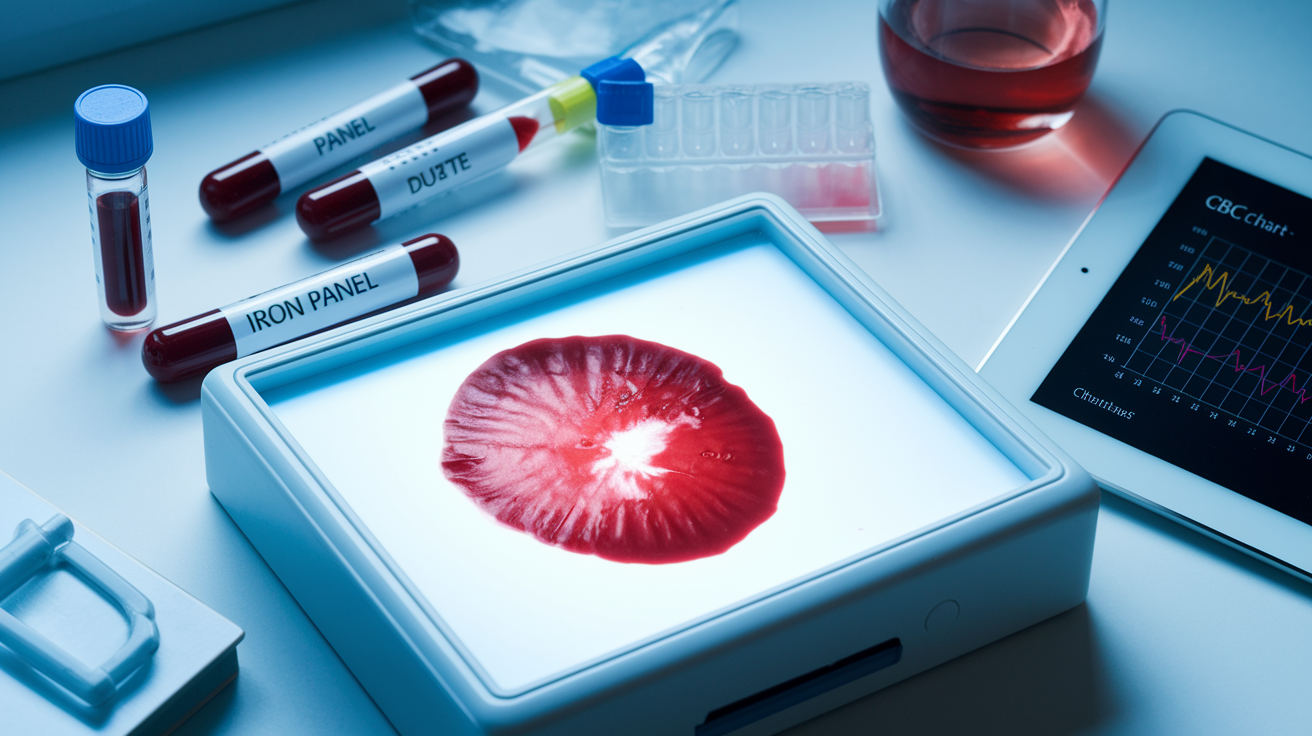
If your symptoms or self-checks suggest anemia, the next step is getting tested. Your doctor will order blood work to measure your red blood cell levels and identify the type and cause of anemia. These tests are straightforward, usually done with a single blood draw, and results typically come back within a few days.
| Test | What It Measures |
|---|---|
| Complete Blood Count (CBC) | Hemoglobin level, red blood cell count, and cell size |
| Iron Panel | Serum iron, ferritin (iron stores), and transferrin saturation |
| Vitamin B12 and Folate Tests | Blood levels of B12 and folate to detect deficiencies |
| Reticulocyte Count | How many young red blood cells your bone marrow is producing |
Complete Blood Count (CBC)
The CBC is the starting point. It measures your hemoglobin (the oxygen carrying protein in red blood cells), your total red blood cell count, and the size and shape of your cells. Low hemoglobin confirms anemia. The size of your red blood cells helps point to the cause. Small cells often mean iron deficiency. Large cells suggest B12 or folate deficiency.
Iron Studies
An iron panel checks three things. Your serum iron (the iron currently in your blood), your ferritin (stored iron in your liver and bone marrow), and your transferrin saturation (how much of your iron transport protein is carrying iron). Low ferritin is one of the earliest signs of iron deficiency, even before hemoglobin drops. This test is especially useful if you have symptoms but your hemoglobin is still in the lower normal range.
Vitamin B12 and Folate Tests
These measure the levels of B12 and folate in your blood. Low levels confirm deficiency anemia. If your B12 is low and you eat animal products regularly, your doctor may order additional tests to check for absorption problems like pernicious anemia or intestinal disease.
Reticulocyte Count
Reticulocytes are young red blood cells that have just been released from your bone marrow. A reticulocyte count tells your doctor how hard your bone marrow is working to replace red blood cells. A low count suggests your bone marrow isn’t producing enough cells (which can happen in aplastic anemia or with certain nutrient deficiencies). A high count suggests your body is losing or destroying red blood cells faster than normal (which happens with bleeding or hemolytic anemia).
When to See a Doctor About Anemia Symptoms

If you recognize several symptoms from the earlier checklist or if your self-checks raise concerns, it’s time to talk to a doctor. Anemia is common and often very treatable, but you need testing to confirm it and identify the cause. Don’t wait until symptoms become severe or start limiting your daily life.
Watch for these red flags that make seeing a doctor more urgent:
Persistent fatigue that doesn’t improve with rest. You feel exhausted every day, and it’s affecting work, family, or daily tasks.
Worsening shortness of breath. You’re winded after minimal activity, like walking across a room or talking on the phone.
Chest pain or pressure. Any chest pain should be treated as a medical emergency. Call 911 or your local emergency number. Anemia can make your heart work harder, and chest pain may signal a heart problem.
Frequent dizziness or fainting spells. If you feel lightheaded often or have fainted, you’re at risk for falls and injury.
Pica cravings or unexplained bleeding. Craving and eating ice, dirt, or clay is a strong sign of iron deficiency. Heavy menstrual bleeding, blood in your stool, or any suspected internal bleeding requires prompt evaluation.
Even if your symptoms are mild, it’s worth getting tested if you’re in a high risk group (pregnant, heavy periods, chronic disease, older age) or if symptoms have been present for more than a few weeks.
How Anemia Is Treated Once Diagnosed

Treatment depends entirely on the type and cause of your anemia. Once your doctor reviews your test results, they’ll recommend a plan tailored to your situation. Most anemias respond well to treatment, and many people start feeling better within a few weeks.
For iron deficiency anemia, the first line of treatment is usually oral iron supplements. Your doctor will recommend a specific dose, often 150 to 200 mg of elemental iron per day, taken in divided doses. Iron is best absorbed on an empty stomach, but it can cause nausea or constipation, so some people take it with a small snack. If oral supplements don’t work (because of absorption problems or intolerable side effects), your doctor may recommend intravenous iron infusions. Increasing dietary iron is also part of the plan. Pairing iron rich foods with vitamin C sources at the same meal boosts absorption significantly.
Here are practical food examples to work into your routine:
Lean red meat, chicken, or turkey (heme iron, which absorbs easily)
Spinach, kale, or Swiss chard
Lentils, chickpeas, or black beans
Fortified breakfast cereals or oatmeal
Oranges, strawberries, or bell peppers (vitamin C to pair with plant based iron)
Tomatoes or broccoli (also high in vitamin C)
For B12 deficiency anemia, treatment may include oral B12 supplements (high doses, often 1,000 to 2,000 mcg daily) or B12 injections if absorption is impaired. Folate deficiency anemia is treated with folic acid supplements, usually 1 mg daily, along with dietary sources like leafy greens, beans, and fortified grains. If your anemia is caused by chronic disease, the focus shifts to managing the underlying condition. Your doctor may also recommend treatments to support red blood cell production, such as erythropoiesis stimulating agents in chronic kidney disease.
Preventing Recurrence and Tracking Your Symptoms Over Time

Once treatment starts, tracking your symptoms and following up with labs is essential. Hemoglobin doesn’t rebound overnight. It can take several weeks to a few months to see your levels return to normal, depending on the severity of your anemia and how well you absorb the supplements or respond to treatment.
Keep a simple log of your energy level, breathlessness, and any other symptoms week by week. Note whether you’re able to do activities that felt hard before treatment started. If symptoms aren’t improving after four to six weeks, or if they get worse, contact your doctor. You may need a different dose, a different supplement form, or additional testing to find an underlying cause that wasn’t identified initially.
Here are four tracking strategies to help you stay on course:
Schedule follow-up lab work. Your doctor will likely recheck your CBC and iron or B12 levels after 6 to 12 weeks of treatment. Don’t skip this step. It confirms whether your levels are improving and whether you can adjust your supplement dose or stop treatment.
Take supplements consistently and at the right time. Set a daily reminder. Take iron with vitamin C (a glass of orange juice or a handful of strawberries) and avoid tea, coffee, or calcium supplements within two hours, since they block absorption.
Track your diet week by week. Make sure you’re eating iron rich or B12 rich foods several times a week. If your diet is limited (vegan, food allergies, digestive issues), talk to your doctor about long term supplementation.
Monitor for new symptoms or side effects. If you develop new digestive symptoms, dark stools (normal with iron supplements), or any unexpected changes, bring them up at your follow-up visit. Persistent symptoms may signal that the underlying cause hasn’t been fully addressed.
Final Words
You’ve run through the signs (fatigue, pale skin, breathlessness), the common causes, quick self-checks, what tests show, and when to see a clinician.
Do one small step this week: glance at your inner eyelids, note any unusual tiredness or shortness of breath with light activity, and jot it down for a doctor visit if it’s there.
If you’re still unsure about how to tell if you have anemia, start with that self-check and, if needed, ask for a CBC. Small steps can catch it early and help you feel better.
FAQ
Q: What are 5 symptoms of anemia?
A: Five symptoms of anemia are fatigue or weakness, pale skin or inner eyelids, shortness of breath with mild activity, dizziness or lightheadedness, and brittle nails or hair loss.
Q: How do I check if I am anemic at home?
A: To check if you’re anemic at home, look for pale inner eyelids, pale nails or gums, unusual shortness of breath with little effort, persistent tiredness, and increased hair shedding.
Q: What is the first stage of anemia?
A: The first stage of anemia is often iron depletion, meaning low iron stores before hemoglobin falls, causing few or no symptoms but detectable on blood tests.
Q: What is the fastest way to fix anemia?
A: The fastest way to fix anemia depends on the cause; for iron deficiency, medical treatment like high-dose oral or IV iron speeds recovery, while vitamin B12 often needs injections, so see a clinician.