
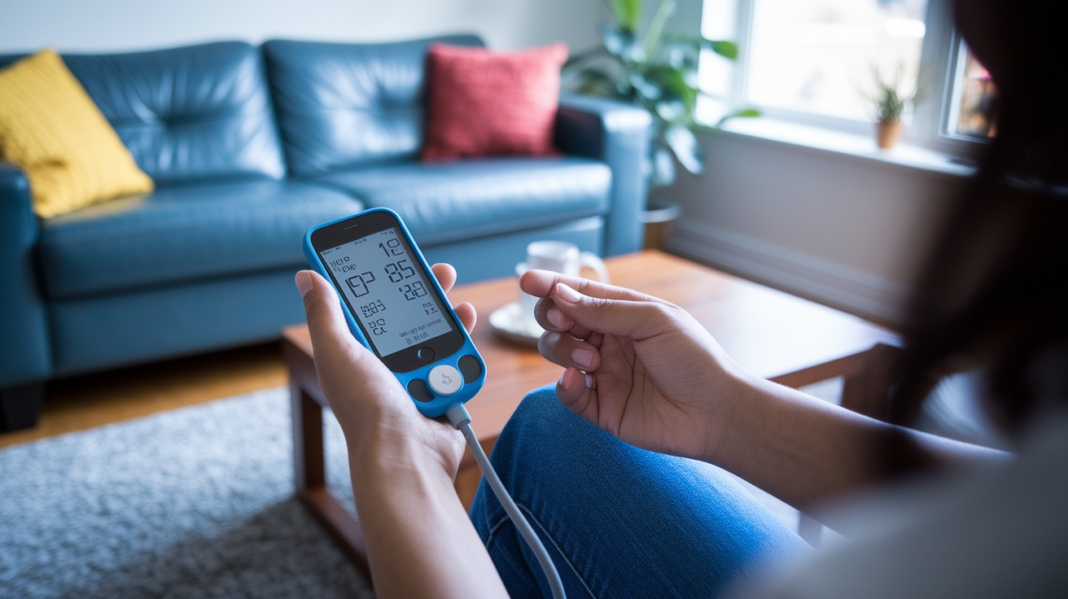

Could you have high blood pressure and not know it?
Most people do. About one in three adults has elevated blood pressure and no symptoms.
This guide cuts through the confusion: it shows common warning signs, explains what the numbers mean, and walks you through simple testing methods for home and clinic use.
You’ll get clear steps to start checking your readings and know when to see a doctor.
Start with a quick at-home check.
Key Ways to Recognize Possible High Blood Pressure Symptoms and Indicators

High blood pressure doesn’t announce itself. Most people with hypertension won’t feel anything wrong for years. The condition works quietly in the background, damaging arteries and organs like your heart, kidneys, and brain. About 1 in 3 adults has elevated blood pressure without knowing it. They find out during a routine checkup or after something scary happens.
When symptoms do show up, it’s usually because blood pressure has climbed to a seriously high or dangerous level. At lower elevations, your body adjusts gradually. It masks the slow increase in strain on your blood vessels.
Some people with severely high blood pressure notice one or more of these signs:
- Persistent or throbbing headaches, especially after you’ve been active or first thing in the morning
- Shortness of breath during light effort, like walking up stairs or crossing a parking lot
- Dizziness or feeling lightheaded when you stand up quickly or shift from sitting to standing
- Blurred vision or seeing double, which can mean blood vessels in your eyes are damaged
- Unexplained rapid or irregular heartbeat, even when you’re resting
- Frequent nosebleeds, though this is less common and often coincidental
- Numbness or tingling in your hands, feet, or face in rare severe cases
Symptoms alone can’t confirm or rule out high blood pressure. Plenty of people with dangerously high readings feel completely fine. Others with normal blood pressure experience similar symptoms from totally unrelated causes. The only reliable way to know your blood pressure status is to measure it with a proper device or during a medical exam.
Understanding Blood Pressure Numbers and What They Mean
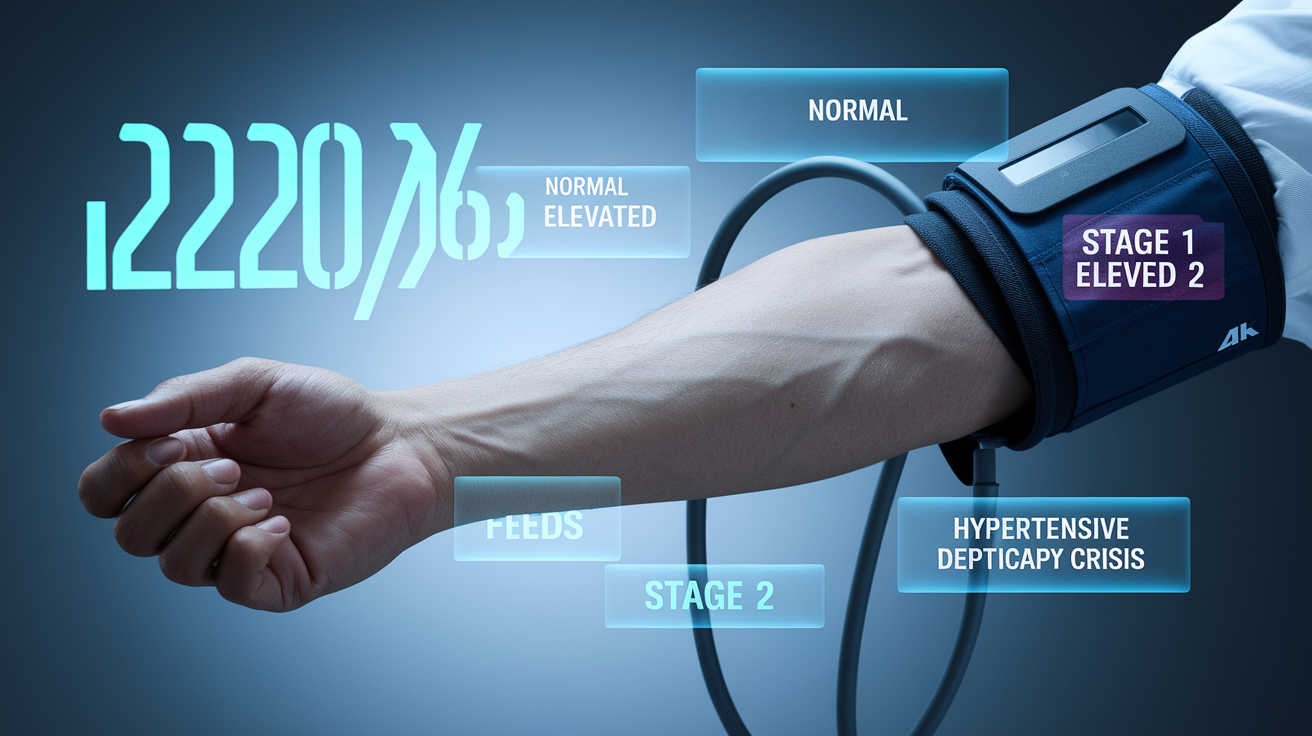
A blood pressure reading has two numbers, recorded as systolic over diastolic in millimeters of mercury (mmHg). Systolic pressure is the top number. It measures the force of blood against artery walls when your heart beats. Diastolic pressure is the bottom number. It measures that force when your heart rests between beats. So a reading of 120/80 mmHg means a systolic pressure of 120 and a diastolic pressure of 80.
Your reading falls into one of five categories based on established medical guidelines:
- Normal: systolic less than 120 and diastolic less than 80 mmHg
- Elevated: systolic 120–129 and diastolic less than 80 mmHg
- Stage 1 hypertension: systolic 130–139 or diastolic 80–89 mmHg
- Stage 2 hypertension: systolic 140 or higher or diastolic 90 or higher mmHg
- Hypertensive crisis: systolic 180 or higher or diastolic 120 or higher mmHg (seek emergency care if you’re also having severe symptoms)
The category that applies to you depends on whichever number is higher, systolic or diastolic. A single elevated reading doesn’t necessarily mean you have hypertension. Diagnosis requires multiple elevated readings taken on different days or extended home monitoring data.
| Category | Systolic (mmHg) | Diastolic (mmHg) |
|---|---|---|
| Normal | <120 | <80 |
| Elevated | 120–129 | <80 |
| Stage 1 Hypertension | 130–139 or 80–89 | 80–89 |
| Stage 2 Hypertension | ≥140 or ≥90 | ≥90 |
| Hypertensive Crisis | ≥180 or ≥120 | ≥120 |
How to Measure Your Blood Pressure Accurately at Home

Home blood pressure monitoring gives you a clearer picture of your cardiovascular health over time. It helps you avoid the stress-related spikes that sometimes happen in a doctor’s office. To get accurate readings at home, you need a validated upper-arm cuff device and a consistent measurement routine.
Follow these steps each time you check your blood pressure:
- Rest for at least 5 minutes before taking a reading. Sit quietly. Don’t look at your phone or think about stressful tasks.
- Avoid caffeine, exercise, and smoking for at least 30 minutes before measuring.
- Sit in a chair with your back supported and your feet flat on the floor. Don’t cross your legs.
- Place your arm on a table or armrest so that your upper arm is at heart level. Support your arm so it’s relaxed, not tensed.
- Wrap the cuff around your bare upper arm, not over clothing. The cuff’s bottom edge should sit about one inch above the crease of your elbow.
- Turn on the device and remain still and quiet while it inflates and takes the reading.
- Wait 1 to 2 minutes, then take a second reading. Record both numbers.
- Write down the date, time, your position (seated with arm supported), and the average of the two readings. Note any unusual symptoms or recent activities.
Sometimes home readings are lower than clinic measurements because you’re more relaxed in your own space. This difference is called white coat syndrome when clinic readings are artificially high due to anxiety. Or masked hypertension when home readings reveal elevated pressure that clinic visits miss. Sharing a log of home readings with your primary care provider helps clarify which pattern applies to you and whether treatment adjustments are needed.
Risk Factors That Increase the Likelihood of High Blood Pressure

Anyone can develop high blood pressure. But certain characteristics and habits make it more likely. Understanding your personal risk helps you decide how often to check your blood pressure and whether lifestyle changes should start now rather than later.
The most common risk factors include:
- Older age, as arteries naturally stiffen over time and blood pressure tends to rise
- Family history of hypertension, which suggests a genetic predisposition
- Carrying excess weight, especially around the abdomen, which increases the heart’s workload
- A sedentary lifestyle with little regular physical activity or long periods of sitting
- Eating a diet high in salt, processed foods, and saturated fats
- Smoking or using tobacco products, which damage blood vessels and raise short-term blood pressure
Genetics and age are two factors you can’t change. If your parents or siblings have hypertension, your risk is higher even if you maintain a healthy weight and exercise regularly. Age-related arterial stiffening begins in middle adulthood and continues as you get older, raising systolic pressure more than diastolic.
When multiple risk factors are present at the same time, they compound rather than simply add together. Someone who’s overweight, eats a high-salt diet, and has a family history of hypertension faces a much higher likelihood of developing high blood pressure than someone with only one of those factors. Chronic conditions like diabetes, kidney disease, obstructive sleep apnea, and thyroid or adrenal disorders also independently raise blood pressure.
When High Blood Pressure Requires Immediate Medical Attention

Severely elevated blood pressure combined with certain symptoms signals a hypertensive crisis. This is a medical emergency that can lead to stroke, heart attack, or organ damage if not treated quickly. A hypertensive crisis is defined as a systolic reading of 180 mmHg or higher, or a diastolic reading of 120 mmHg or higher. If you measure a reading in this range and feel fine, recheck it after resting for a few minutes and contact your doctor right away for guidance.
Seek emergency care immediately (call emergency services or go to the nearest emergency department) if a very high blood pressure reading occurs alongside any of these symptoms:
- Severe chest pain or tightness that doesn’t go away with rest
- Severe shortness of breath, especially if it comes on suddenly or worsens quickly
- Sudden blurred vision, vision loss, or seeing flashing lights
- Confusion, difficulty speaking, or trouble understanding speech
- Sudden severe headache that feels different from your usual headaches
- Sudden numbness, weakness, or inability to move one side of the body
These symptoms can indicate stroke, heart attack, aortic dissection, or other life-threatening complications. Don’t wait to see if symptoms improve. Time matters. Immediate medical intervention can prevent permanent damage or death. If you’re not sure whether your symptoms are severe enough, err on the side of caution and seek urgent evaluation.
How Doctors Diagnose and Confirm High Blood Pressure

Diagnosing high blood pressure requires more than a single elevated reading. Because blood pressure naturally fluctuates throughout the day and can spike temporarily due to stress, pain, or recent activity, clinicians look for a consistent pattern over multiple measurements taken on different occasions.
During a typical diagnostic process, your doctor will measure your blood pressure at least twice during one visit and may ask you to return for follow-up checks on separate days. If readings remain elevated, they may recommend home monitoring or ambulatory blood pressure monitoring to gather more data. Your doctor will also review your medical history, current medications, family history, lifestyle habits, and any symptoms you’ve noticed. Additional tests such as blood work, urine tests, or an electrocardiogram may be ordered to check for organ damage or underlying causes of hypertension.
| Method | Description | When Used |
|---|---|---|
| Clinic measurement | Blood pressure checked by a healthcare professional during an office visit using a manual or automated cuff | Initial screening, routine checkups, and confirming diagnosis with repeat visits |
| Home monitoring | Patient uses a validated automated upper-arm device at home and logs readings over days or weeks | Confirming suspected hypertension, tracking treatment response, detecting white coat or masked hypertension |
| Ambulatory 24-hour monitoring | Wearable device automatically measures blood pressure at set intervals throughout a full day and night | Diagnosing borderline cases, assessing nighttime blood pressure patterns, evaluating medication timing |
The combination of clinic visits, home logs, and sometimes ambulatory monitoring provides the clearest picture of whether you have sustained high blood pressure and how it behaves during daily activities, sleep, and stress. This comprehensive data helps your primary care provider make informed decisions about whether treatment is needed and which approach will work best for your situation.
Lifestyle Measures and Treatment Approaches for Managing High Blood Pressure

Once high blood pressure is identified, the first line of action usually focuses on lifestyle changes. For many people, modifying daily habits can lower blood pressure into a healthier range without medication. Or it can reduce the number and dose of medications needed.
Core lifestyle strategies that help lower blood pressure include:
- Reducing salt intake to less than 2,300 mg per day (ideally closer to 1,500 mg for many adults)
- Eating more fruits, vegetables, whole grains, and lean protein while cutting back on processed foods
- Exercising at least 150 minutes per week with moderate-intensity activities like brisk walking, cycling, or swimming
- Losing weight if you’re carrying excess pounds. Even a modest 5 to 10 pound loss can make a measurable difference.
- Limiting alcohol to no more than one drink per day for women and two for men
- Quitting smoking and avoiding tobacco products entirely
- Managing stress through relaxation techniques, regular sleep, counseling, or activities that help you unwind
When lifestyle changes alone don’t bring blood pressure down enough within about one month, or when blood pressure is severely elevated at diagnosis, doctors prescribe antihypertensive medication. Medication doesn’t replace healthy habits. The combination of medication and lifestyle changes is often more effective than either approach alone.
Common medication classes used to treat high blood pressure include:
- Beta blockers, which reduce heart rate and the force of heart contractions, lowering the workload on the heart and widening blood vessels
- Diuretics (also called water pills), which help the kidneys remove excess salt and water from the body, reducing blood volume and pressure
- Alpha blockers, which relax certain muscles in blood vessel walls, allowing vessels to stay open and blood to flow more easily
Your primary care provider will choose the medication type, dose, and schedule based on your blood pressure level, other health conditions, potential side effects, and how you respond to treatment. Regular follow-up visits and home monitoring help track whether the treatment plan is working and whether adjustments are needed.
Final Words
We ran through why high blood pressure often shows no symptoms, what blood pressure numbers mean, how to measure at home, common warning signs, who’s at higher risk, when to get urgent care, and basic treatment and lifestyle options.
A simple next step: rest five minutes, take two readings with a validated upper-arm cuff, log the results, and share them with your clinician. If you see emergency symptoms, seek care right away.
If you’re wondering how to know if you have high blood pressure, start with these checks and a short talk with your clinician. Small steps add up.
FAQ
Q: How do you feel when blood pressure is high?
A: When blood pressure is high, you may feel headaches, dizziness, shortness of breath, blurred vision, heart racing, nosebleeds, or numbness — though many people have no symptoms and won’t notice changes.
Q: What are 10 warning signs of high blood pressure?
A: The 10 warning signs of high blood pressure are: headaches, dizziness, shortness of breath, blurred vision, heart racing, nosebleeds, vomiting, chest pain, fatigue, and sudden numbness or weakness.
Q: How can I quickly lower my blood pressure?
A: To quickly lower your blood pressure, sit and rest, take slow deep breaths for several minutes, sip water, avoid caffeine and smoking, and seek medical help if symptoms are severe or worsen.
Q: Is 140 over 70 a good blood pressure?
A: A 140/70 reading means systolic 140 is at the stage-2 threshold while diastolic 70 is normal; repeat measurements and a discussion with your clinician are recommended to confirm and decide next steps.