

Think all sleep is equal? Deep sleep does the heavy lifting for recovery.
Deep sleep (slow-wave sleep, stage N3) is when your body repairs muscle, clears brain waste, and restores energy.
Adults sleeping seven to nine hours usually need about one to two hours of deep sleep, roughly 15% to 25% of total sleep.
This post explains why that range matters and gives simple, doable steps to increase slow-wave sleep starting tonight.
Small changes can make a big difference.
Optimal Deep Sleep Amounts Explained Clearly
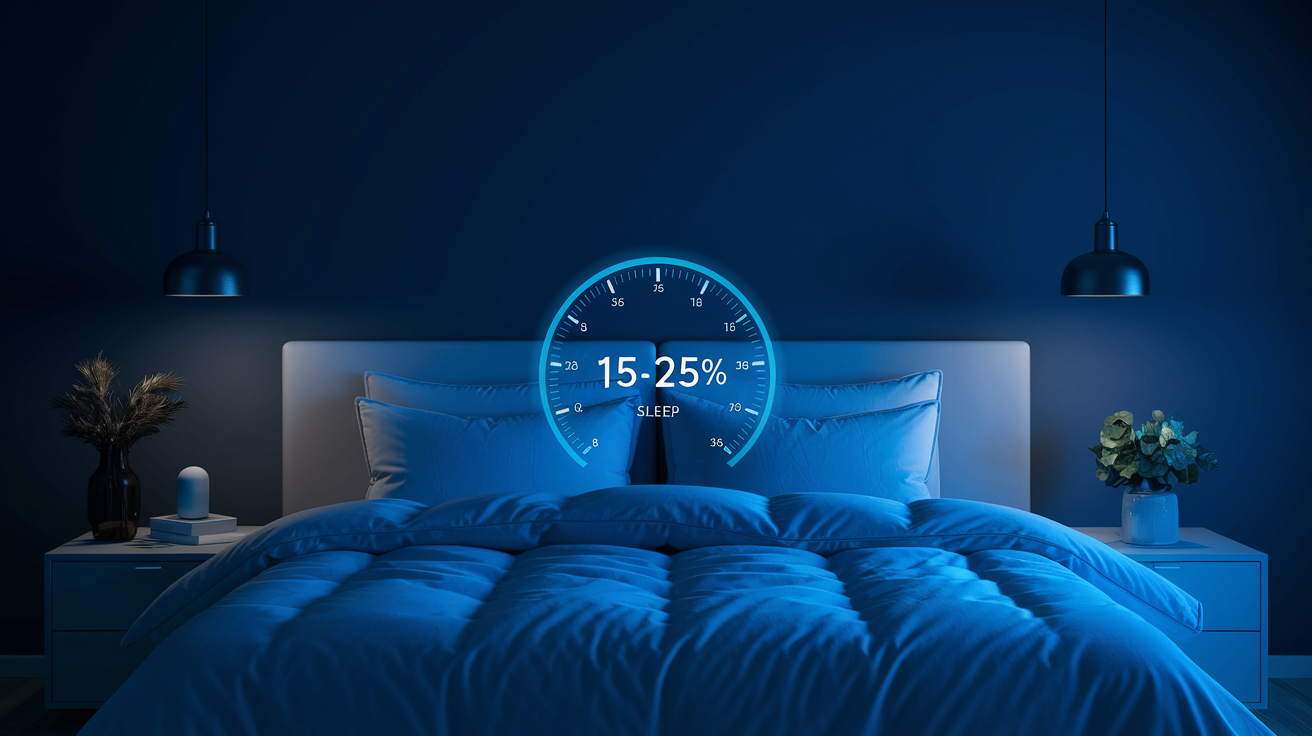
Deep sleep, sometimes called slow-wave sleep or stage N3, is the most restorative part of your nightly sleep cycle. Adults typically need somewhere between 1 and 2 hours of deep sleep per night when they’re sleeping the recommended 7 to 9 hours. That works out to roughly 25% of your total sleep time, and it’s when your body’s doing critical repair work, strengthening your immune system, and consolidating memories.
As a percentage, deep sleep usually sits around 15% to 25% of your total sleep. Sleep 7 hours and you’re aiming for about 63 to 105 minutes of deep sleep. If you’re getting 8 hours, that target bumps up to approximately 72 to 120 minutes. Someone sleeping a full 9 hours might accumulate closer to 81 to 135 minutes. These ranges shift slightly based on age, overall health, recent sleep deprivation, and just how your body works.
Your deep sleep needs change across your lifespan and respond to what your body’s recovering from. Children and teenagers need more total sleep and naturally spend a bigger chunk of it in deep sleep. Older adults usually see a natural decline in stage N3 time. If you’ve been running on empty lately, your body might increase deep sleep temporarily to catch up. Athletes, people recovering from illness, and anyone under physical stress often spend more time in slow-wave sleep during recovery periods.
Quick benchmarks for deep sleep:
- Total duration: Aim for 1 to 2 hours per night if you’re sleeping 7 to 9 hours
- Percentage of sleep: Target around 15% to 25% of total sleep time
- Sleep cycles: Deep sleep is concentrated in the first 2 to 3 of your 4 to 5 nightly cycles
- Cycle timing: Each cycle lasts about 90 to 110 minutes, with N3 longest early in the night
Deep Sleep Within the Sleep Cycle: How It Fits Into Nightly Architecture

Your sleep unfolds in repeating cycles throughout the night. Each one lasts roughly 90 to 110 minutes. Most adults complete 4 to 5 cycles per night. Each cycle moves through a predictable sequence: stage N1 (very light sleep lasting only a few minutes), stage N2 (a deeper form of non-REM sleep), stage N3 (the deepest slow-wave sleep), back to N2, and finally into REM sleep. Deep sleep, or stage N3, lasts about 20 to 40 minutes per cycle, but you don’t get the same amount in every cycle.
Deep sleep is front loaded in your night. The first and second cycles deliver the longest and most restorative stretches of N3. As the night progresses, your body shifts toward longer periods of REM sleep and lighter N2 sleep, with very little deep sleep happening in the final cycles before you wake. This pattern means going to bed at a consistent time and protecting those first few hours of sleep are especially important for hitting your deep sleep target. If you cut your sleep short or deal with frequent interruptions early in the night, you lose the window when most slow-wave sleep occurs. Staying up late or waking repeatedly in the first half of the night can cut your deep sleep total significantly, even if you eventually get 7 or 8 hours of broken sleep.
Deep Sleep Needs by Age: Changing Requirements Across the Lifespan
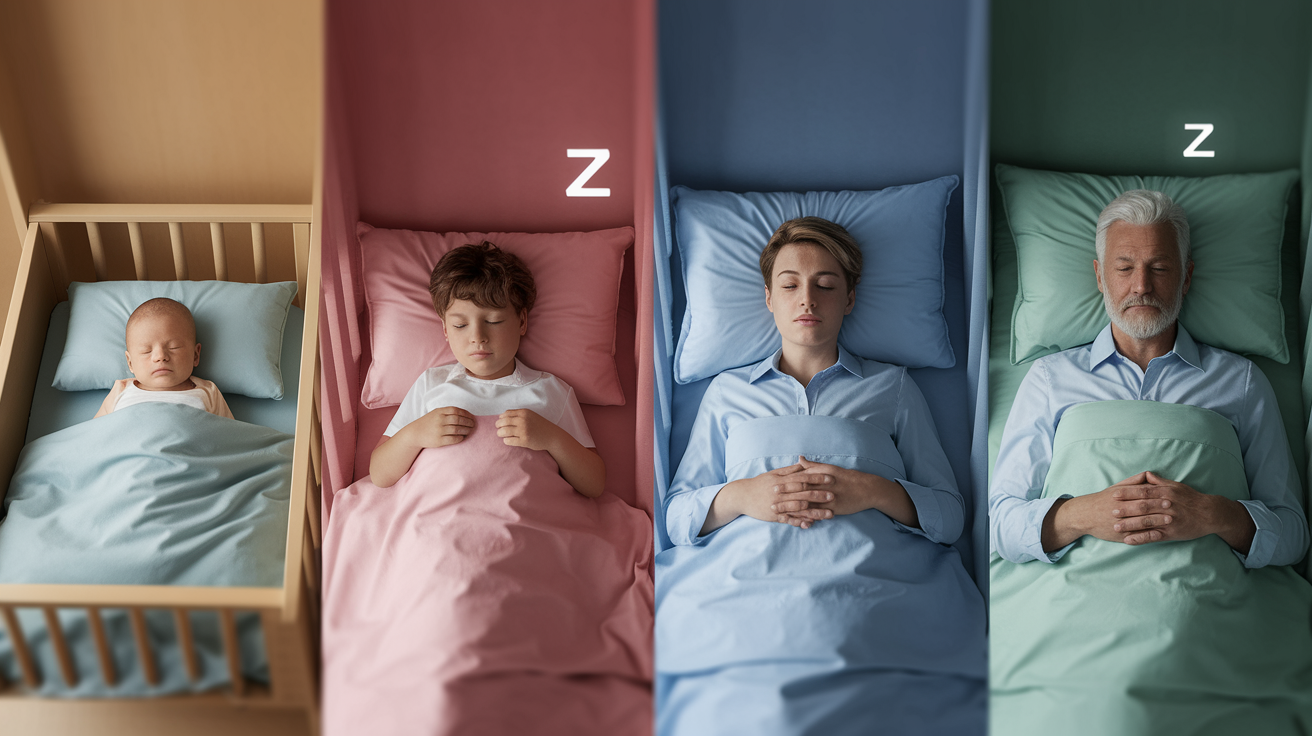
Children and adolescents need the most total sleep and naturally spend a larger proportion of the night in deep sleep. Newborns need approximately 14 to 17 hours of sleep per 24 hours. While their sleep architecture differs from adults, they still devote a significant portion to slow-wave stages. School-age children and teenagers continue to need more N3 sleep than adults, both to support rapid growth and to aid cognitive development and learning. Deep sleep helps release growth hormone, build bone and muscle, and consolidate memory during these years.
Most adults between 18 and 64 should aim for 7 to 9 hours of total sleep per night, with roughly 1 to 2 hours falling into stage N3. This stable range holds for early and middle adulthood, though individual variation exists based on health, activity level, and genetics. Adults who exercise intensely, recover from illness, or experience high physical or cognitive demands may temporarily increase their proportion of deep sleep as the body prioritizes restoration.
Older adults, especially those over 65, experience a natural decline in deep sleep. The percentage of time spent in N3 decreases, and more of the night shifts to lighter N2 sleep. This change tends to level off around the 70s. While this reduction is normal aging, it can contribute to the perception of lighter, less refreshing sleep. Older adults are generally advised to aim for 7 to 8 hours of total sleep, but the quality often includes less slow-wave activity. Maintaining good sleep habits and managing age-related sleep disorders like sleep apnea become especially important during this stage of life.
| Age Group | Typical Total Sleep | Typical Deep Sleep % |
|---|---|---|
| Newborns (0–3 months) | 14–17 hours | Variable, high proportion |
| Children (6–12 years) | 9–12 hours | 20–25% |
| Adults (18–64 years) | 7–9 hours | 15–25% |
| Older Adults (65+ years) | 7–8 hours | 10–15% (naturally declines) |
Why Deep Sleep Matters for Physical and Mental Recovery

Deep sleep drives the body’s primary repair and maintenance functions. During N3, your heart rate and breathing slow, blood pressure drops, and blood flow increases to muscles. The pituitary gland releases pulses of growth hormone, which support tissue growth, muscle repair, and bone building. Your immune system strengthens during deep sleep, producing cytokines that help fight infection and inflammation. Blood sugar regulation also improves. People who consistently get enough slow-wave sleep show better insulin sensitivity and metabolic health.
Deep sleep also plays a critical role in brain health. The glymphatic system, which clears metabolic waste from the brain, is most active during slow-wave sleep. This waste removal process may help reduce long-term risk for neurodegenerative conditions. Memory consolidation happens across multiple sleep stages, but deep sleep is especially important for converting short-term memories into long-term storage. Emotional regulation, learning, and cognitive performance all depend on adequate N3 sleep. When you miss deep sleep, you’re more likely to feel mentally sluggish, irritable, and forgetful the next day.
Key functions supported by deep sleep:
- Tissue growth and repair, including muscle recovery after exercise
- Growth hormone release for building and maintaining muscle and bone
- Immune system activity, including production of infection-fighting cytokines
- Blood sugar regulation and improved insulin sensitivity
- Brain waste clearance through the glymphatic system
Causes of Low Deep Sleep and Signs You’re Not Getting Enough
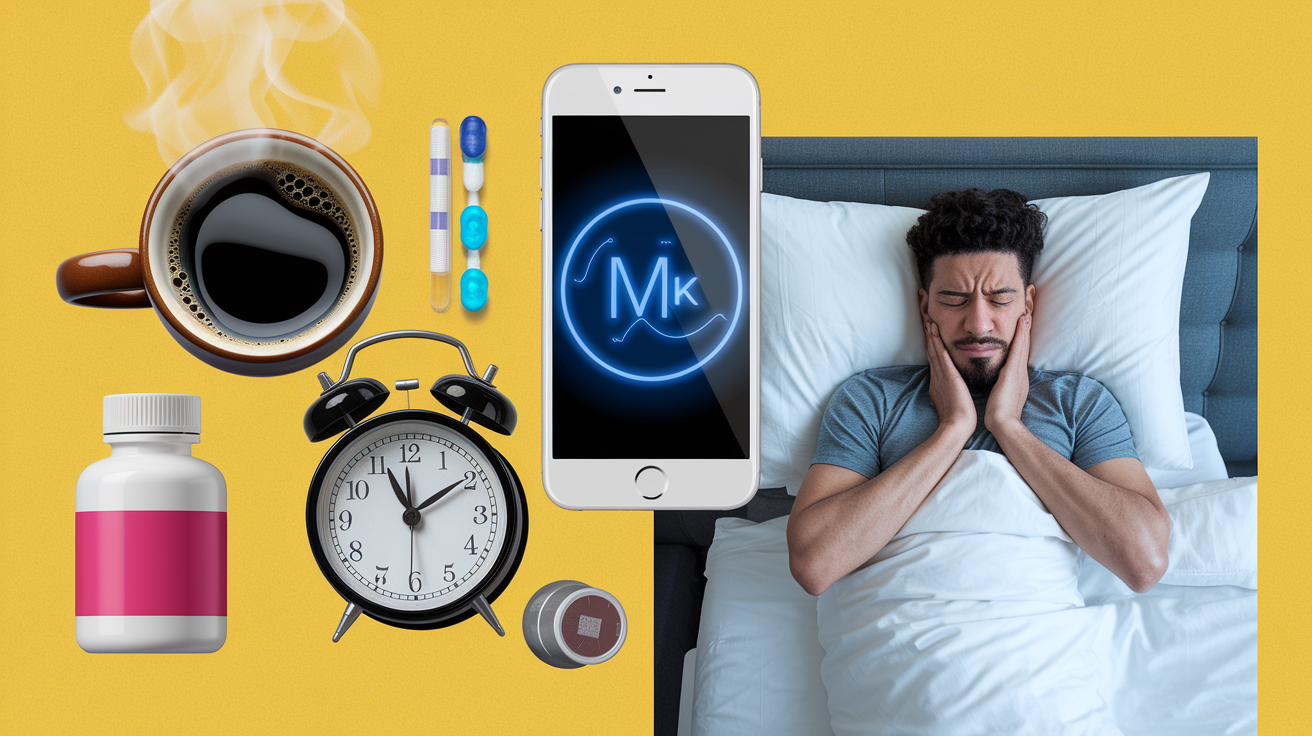
Several medical conditions directly interfere with deep sleep. Insomnia makes it harder to fall asleep or stay asleep, cutting into total sleep time and reducing the early cycles where most N3 occurs. Obstructive sleep apnea causes repeated micro-awakenings throughout the night, fragmenting sleep and preventing sustained slow-wave periods. Chronic pain conditions like arthritis, back pain, and traumatic brain injury can disrupt sleep architecture. Mental health conditions including depression, anxiety, bipolar disorder, and schizophrenia are also linked to reduced deep sleep. Heart disease, asthma, and dementia can further interfere with sleep quality and stage distribution.
Lifestyle factors and substances are common culprits. Caffeine consumed in the late afternoon or evening delays sleep onset and reduces deep sleep. Alcohol may help you fall asleep faster, but it fragments sleep later in the night and suppresses slow-wave stages. Certain medications, including benzodiazepines, tricyclic antidepressants, barbiturates, and opioids, can reduce the amount of time spent in N3. Shift work, jet lag, and irregular sleep schedules disrupt circadian rhythms and limit the body’s opportunity to enter deep sleep. Late-night screen use and exposure to blue light delay melatonin release, pushing back sleep onset and shortening the window for early-cycle deep sleep.
When you don’t get enough deep sleep, you’ll usually notice it during the day. Common symptoms include persistent daytime sleepiness, difficulty concentrating, slower reaction times, and impaired memory. You may feel mentally foggy or struggle to learn new information. Mood shifts are also common. People with chronic deep sleep deficits are more likely to feel irritable, anxious, or emotionally flat. Physical performance can decline as well. If you wake feeling unrefreshed despite spending enough time in bed, or if you experience sleep inertia (intense grogginess that lasts up to an hour after waking from deep sleep), those are signs your sleep architecture may be disrupted.
Practical, Evidence-Based Ways to Increase Deep Sleep
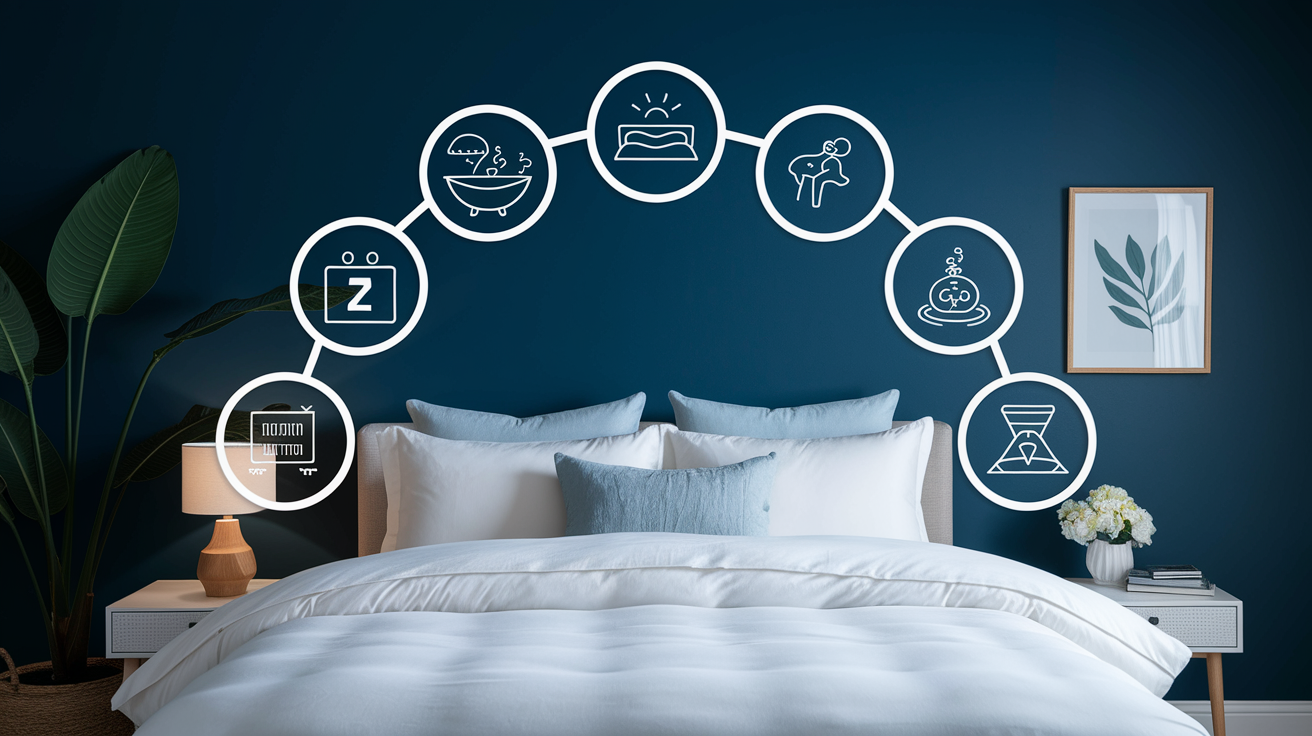
The foundation for increasing deep sleep is a consistent sleep schedule and a sleep-friendly environment. Go to bed and wake up at the same time every day. Yes, even on weekends. This regularity strengthens your circadian rhythm and helps your body anticipate and prepare for deep sleep. Keep your bedroom quiet, dark, and cool (around 60 to 67 degrees Fahrenheit is ideal for most people). Use blackout curtains or an eye mask to block light, and consider breathable bedding and a supportive pillow to minimize physical discomfort that can fragment sleep.
Adjusting your daytime and evening habits makes a measurable difference. Exercise regularly, but try to finish vigorous workouts at least a few hours before bedtime. Physical activity during the day increases slow-wave sleep at night. Limit caffeine intake after mid afternoon. Cut back on alcohol, especially in the hours before bed. Avoid large meals close to bedtime. Eat more fiber-rich foods during the day (higher fiber intake is associated with more deep sleep), and reduce saturated fat (which has been linked to less slow-wave sleep). Practice relaxation techniques like meditation, progressive muscle relaxation, or slow breathing exercises before bed to lower stress and prepare your body for sleep.
Seven evidence-based steps to increase deep sleep:
- Maintain a consistent bedtime and wake time, including weekends.
- Take a warm bath or shower 60 to 90 minutes before bed (this may increase slow-wave sleep).
- Stop using screens at least 30 minutes before bed, or use blue-light filters if you must use devices.
- Exercise for 20 to 30 minutes earlier in the day, avoiding intense workouts in the evening.
- Avoid caffeine after mid afternoon and limit alcohol consumption in the evening.
- Create a cool, dark, quiet bedroom environment (use an eye mask, earplugs, or white noise if needed).
- Practice a relaxing bedtime routine (reading, breathing exercises, or light stretching).
Deep Sleep Tracking: Understanding Wearable Data and Accuracy Limits

Wearable sleep trackers and smartphone apps estimate sleep stages using movement, heart rate, and sometimes other signals. These devices can show trends over time and help you spot patterns. For example, noticing that you get less deep sleep on nights when you drink alcohol or go to bed late. One survey found that people who used sleep trackers were about 2.5 times more likely to wake feeling “very alert,” while non-users were roughly 29% more likely to report morning grogginess. This suggests that tracking may help people make better sleep decisions.
But consumer trackers aren’t diagnostic tools. They estimate sleep stages, and their accuracy varies. They can’t replace a clinical sleep study (polysomnography), which measures brain waves, eye movement, muscle activity, and other physiological signals to definitively identify N1, N2, N3, and REM sleep. If your tracker shows 45 minutes of deep sleep one night and 90 minutes another, those numbers reflect trends and relative changes, not precise stage durations. Use tracker data to guide habits (like adjusting your bedtime or testing new routines) and to decide when to seek professional evaluation, but don’t treat the numbers as exact measurements of your sleep architecture.
What sleep trackers can and can’t do:
- Can: Identify trends in total sleep time, detect changes in routine, and highlight nights with more interruptions or unusual patterns.
- Can: Help you test whether specific changes (earlier bedtime, less caffeine) improve subjective sleep quality or daytime alertness.
- Can’t: Provide the same accuracy as a clinical polysomnography study, diagnose sleep disorders, or give exact minute-by-minute stage breakdowns.
When Deep Sleep Is Too Low: Risks, Health Consequences, and When to Seek Help

Chronic insufficient deep sleep carries real health risks. In the short term, you’ll experience daytime sleepiness, impaired learning and memory, and reduced concentration. One cited study found that people sleeping fewer than 7 hours per night were nearly three times more likely to catch a cold compared to those who slept enough. Another analysis showed that people sleeping 6 hours or less were about 33% more likely to have a car crash than those getting 7 to 8 hours. Over time, inadequate slow-wave sleep is associated with higher risk of high blood pressure, cardiovascular disease, type 2 diabetes, stroke, kidney disease, and possibly dementia. Cardiovascular disease alone causes approximately 17.9 million deaths globally each year, and poor sleep is a modifiable risk factor.
Deep sleep is also tied to specific sleep disorders. NREM parasomnias, also called disorders of arousal, occur when someone partially wakes from deep sleep but remains confused or unresponsive. These include sleepwalking, confusional arousals (which can include behaviors like sexsomnia), and sleep terrors. These events are more common in children and are often triggered by fragmented sleep or sleep deprivation. Obstructive sleep apnea is another major disruptor. Repeated airway obstructions cause micro-awakenings that prevent sustained deep sleep, even if the person doesn’t fully wake or remember the interruptions. Left untreated, sleep apnea increases risk for many of the same chronic conditions linked to insufficient deep sleep.
If you consistently feel unrefreshed despite spending 7 or more hours in bed, it’s time to talk to a healthcare provider. Other red flags include loud snoring, choking or gasping during sleep, excessive daytime sleepiness, difficulty staying awake during routine activities, or a bed partner who notices pauses in your breathing. A clinician may recommend a sleep study (polysomnography) to measure your sleep stages, breathing, heart rate, and movement. If a sleep disorder is identified, treatment (like CPAP therapy for sleep apnea or cognitive behavioral therapy for insomnia) can restore healthy sleep architecture and improve daytime function. If medications are contributing to low deep sleep, your provider may adjust your prescriptions or timing.
Lifestyle Patterns That Naturally Support Healthy Deep Sleep
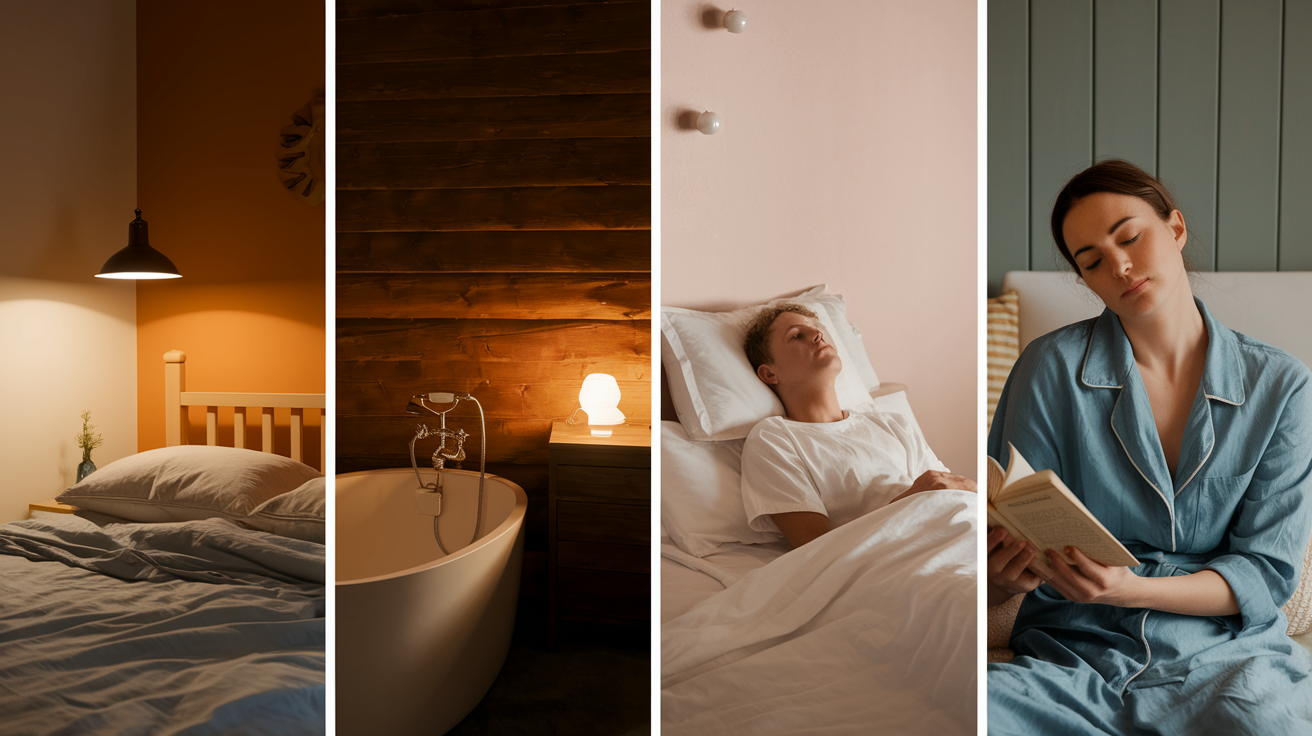
Deep sleep is concentrated in the first half of the night, so protecting those early cycles is essential. A consistent sleep and wake schedule aligns your circadian rhythm, making it easier to fall asleep quickly and enter slow-wave sleep soon after. Going to bed at the same time every night signals your body to prepare for rest. Staying up late or shifting your bedtime frequently disrupts this rhythm and reduces the total time available for N3 sleep.
Pre-bed routines that lower stress and body temperature can also improve deep sleep. Taking a warm bath or shower 60 to 90 minutes before bed helps your core temperature drop as you dry off, which promotes sleep onset and slow-wave activity. Dimming lights in the evening supports natural melatonin release. Avoiding stimulating activities (like intense work, arguments, or action-packed shows) in the hour before bed keeps your nervous system calm and ready for sleep.
Four routines that promote earlier and deeper N3 sleep:
- Set a consistent bedtime and stick to it seven days a week.
- Take a warm bath or shower 60 to 90 minutes before bed to support temperature regulation.
- Dim lights and reduce screen time in the hour before sleep to support melatonin release.
- Practice a calming bedtime routine (like reading, gentle stretching, or breathing exercises) to signal your body that sleep is near.
Common Deep Sleep Questions: Quick Answers to the Most Searched Concerns

Many people wonder if their deep sleep numbers are normal or if one stage is more important than another. The truth is that healthy sleep requires a balance of all stages. Deep sleep and REM both serve essential functions, and light sleep is unavoidable and necessary for transitioning between stages. Comparing stages or trying to maximize one at the expense of others usually backfires.
1. Is 45 minutes of deep sleep enough?
No, 45 minutes is typically below the recommended range. If you’re sleeping 7 to 8 hours, you should aim for roughly 1 to 2 hours (60 to 120 minutes) of deep sleep. If you consistently get only 45 minutes, consider improving sleep habits, extending total sleep time, or consulting a clinician if daytime symptoms persist.
2. Is REM more important than deep sleep?
Neither is more important. REM sleep supports memory, learning, and emotional regulation, while deep sleep drives physical repair, immune function, and metabolic health. Both are essential, and both typically make up about 20% to 25% of total sleep. Aim for balance across all stages.
3. How much light sleep do I need?
Light sleep (stages N1 and N2) doesn’t have a set minimum because it happens naturally as your body cycles through stages. N2 usually accounts for about 45% of total sleep. You can’t avoid light sleep, and trying to minimize it isn’t helpful. Focus instead on total sleep time and consistency.
4. Can naps increase deep sleep?
Short naps (20 to 30 minutes) usually stay in light sleep and won’t add deep sleep. Longer naps (60 to 90 minutes) can include some slow-wave sleep, but they may reduce your sleep drive at night and cut into nighttime deep sleep. If you need to nap, keep it short and earlier in the day.
5. Can you catch up on deep sleep?
Your body can partially recover from short-term sleep deprivation by increasing deep sleep on subsequent nights (a process called sleep rebound). But chronic sleep loss can’t be fully reversed by “catching up” on weekends. The best approach is consistent, adequate sleep every night rather than alternating between deprivation and recovery.
Final Words
In the action, we cut through sleep stages, how deep sleep fits into cycles, age changes, why N3 matters, causes of low deep sleep, and practical steps to boost it.
The clear benchmark: adults often get about 1–2 hours of deep sleep (roughly 15–25% of total). We also covered trackers, when to see a clinician, and simple routines that help.
If you’re wondering how much deep sleep do you need, aim for consistent bedtimes and small habits that nudge N3 toward that 1–2 hour window. Small changes add up, one better night at a time.
FAQ
Q: Is 40 minutes of deep sleep enough?
A: Forty minutes of deep sleep is generally below recommended levels; adults usually need about 1–2 hours of slow‑wave sleep (roughly 15–25% of a 7–9 hour night) for good physical recovery.
Q: How can I increase my deep sleep hours?
A: You can increase deep sleep by keeping a regular sleep schedule, cutting late caffeine and alcohol, exercising earlier, cooling and darkening the bedroom, using relaxation or a warm bath before bed, and treating sleep disorders.
Q: Why am I getting so little deep sleep?
A: Getting little deep sleep often comes from age, sleep apnea, insomnia, stress or pain, certain medications, late caffeine/alcohol, shift work, or irregular sleep — see a clinician if daytime function is affected.
Q: Is it better to have REM or deep sleep?
A: Choosing REM over deep sleep isn’t useful; both matter—deep sleep repairs the body and clears waste, while REM helps memory and emotions—aim for a night that includes both stages.