


What if you could reverse metabolic syndrome with simple daily habits instead of pills?
About one in three American adults has metabolic syndrome, a cluster of problems that raises the risk of diabetes, heart disease, and fatty liver.
The core issue is insulin resistance (when cells stop responding to insulin), and modest lifestyle changes often improve or even reverse it.
Losing just 3 to 5 percent of body weight and adding regular activity can cut diabetes risk by nearly 60%.
This post gives proven, doable steps: what to change, why it helps, and how to start tonight.
Immediate Natural Strategies to Start Reversing Metabolic Syndrome Today

About 1 in 3 American adults has metabolic syndrome. That’s a cluster of metabolic problems that seriously raises your risk of type 2 diabetes, heart disease, and fatty liver disease. You’re diagnosed when you hit at least 3 of 5 markers: fasting blood glucose ≥ 100 mg/dL, triglycerides ≥ 150 mg/dL, HDL cholesterol < 50 mg/dL in women or < 40 mg/dL in men, blood pressure above 120/80 mmHg, and waist circumference > 35 inches in women or > 40 inches in men. These numbers matter because each one points to insulin resistance, the central problem linking all five factors. When insulin resistance gets worse, visceral fat piles up around your organs, inflammation ramps up, and your body can’t manage blood sugar, lipids, or blood pressure efficiently.
The good news? Metabolic syndrome responds well to natural lifestyle changes, especially when you catch it early. Research shows that losing just 3–5% of your body weight can improve blood glucose, triglycerides, and blood pressure. Add consistent physical activity to modest weight loss, and you can cut your risk of developing type 2 diabetes by nearly 60%. The key is starting with small, sustainable changes that tackle insulin resistance directly. Changes you can actually build into your daily routine without overhauling everything on Monday morning.
Here are six immediate natural actions to begin reversing metabolic syndrome today:
Reduce refined carbs and added sugars in your next meal. Swap sugary drinks, white bread, and pastries for fiber rich whole foods like vegetables, lean proteins, and small portions of whole grains. This single change lowers blood sugar spikes and reduces the insulin burden on your cells.
Walk for 10–15 minutes after eating. A short walk after a meal helps your muscles use glucose more efficiently, lowering post meal blood sugar and improving insulin sensitivity. Start with one meal per day and build from there.
Measure your waist circumference. Use a simple tape measure at the level of your belly button. If you’re above the threshold (> 35 inches for women, > 40 inches for men), you’re carrying visceral fat that directly worsens insulin resistance. Tracking this number monthly helps you see progress beyond the scale.
Improve your sleep routine tonight. Aim for 7–8 hours of quality sleep. Poor sleep raises cortisol levels, worsens insulin resistance, and makes it harder to lose visceral fat. Set a consistent bedtime, keep your bedroom cool and dark, and avoid screens for an hour before bed.
Reduce or eliminate heavy alcohol consumption. Heavy drinking worsens insulin resistance, raises triglycerides, and damages liver health. If you drink regularly, cutting back to moderate levels (or stopping entirely) can yield measurable improvements in metabolic markers within weeks.
If you smoke, start a cessation plan. Smoking accelerates insulin resistance, raises blood pressure, and compounds cardiovascular risk. Quitting is one of the most impactful natural actions you can take for metabolic health and long term reversal success.
These six strategies target the root mechanisms driving metabolic syndrome. You don’t need to do all six perfectly on day one. Pick one or two, make them consistent, and build from there. The earlier you start, the more flexibility your metabolism has to respond.
Understanding the Root Drivers Behind Metabolic Syndrome Reversal
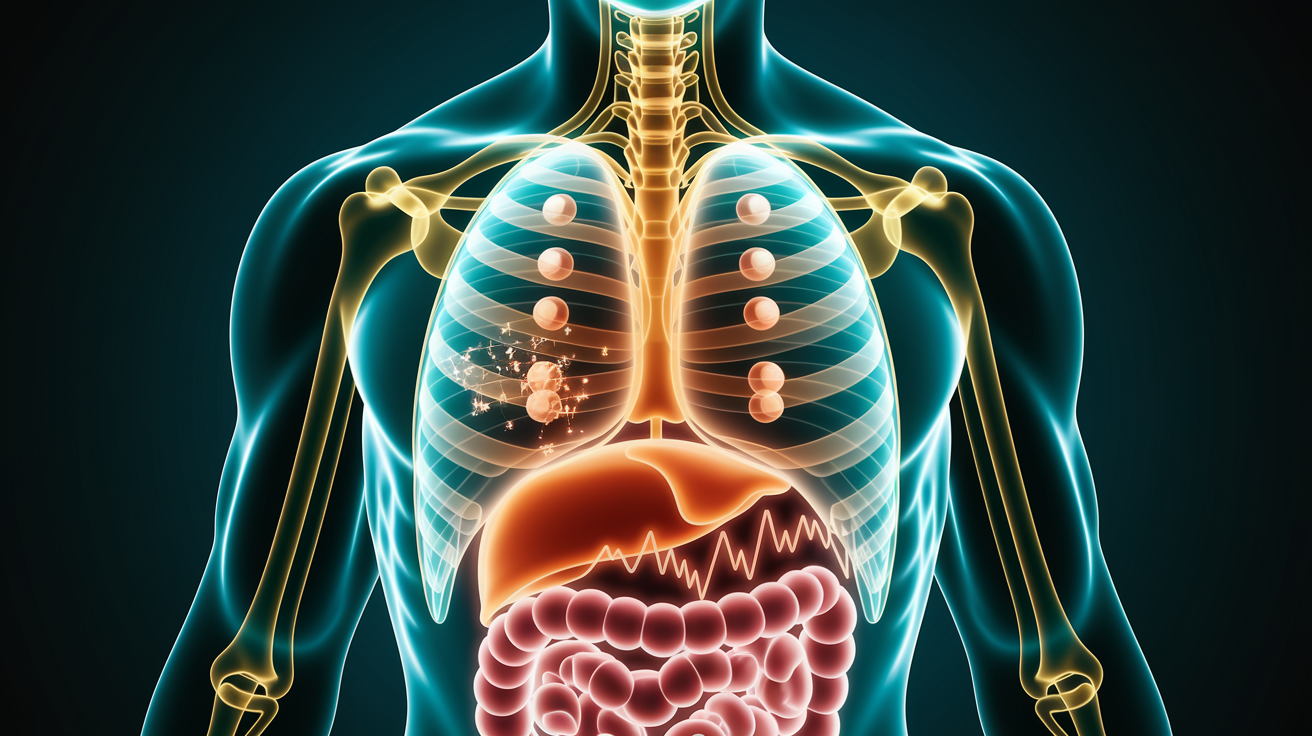
Insulin resistance is the central mechanism behind metabolic syndrome. When your cells become less responsive to insulin (the hormone that helps glucose enter cells for energy), your pancreas compensates by producing more insulin. Over time, elevated insulin levels promote fat storage, especially visceral fat around your organs. They also raise triglycerides, lower HDL cholesterol, and increase blood pressure. This isn’t just a blood sugar problem. Insulin resistance creates a cascade of metabolic dysfunction that touches nearly every system in your body.
Visceral fat itself isn’t inert storage. It actively secretes inflammatory molecules called cytokines, which worsen insulin resistance and increase oxidative stress. That’s a state where your cells accumulate damage faster than they can repair it. This cycle of inflammation and insulin resistance explains why metabolic syndrome raises your risk for type 2 diabetes, heart disease, fatty liver disease, polycystic ovarian syndrome (PCOS), obstructive sleep apnea, and even certain cancers and dementia.
The chronic inflammation driven by visceral fat and insulin resistance also disrupts your endocrine system and hormonal balance. Elevated cortisol from chronic stress, poor sleep, and ongoing inflammation further promote fat storage in your abdomen and make it harder for your body to regulate blood glucose. Women after menopause face additional risk because declining estrogen levels shift fat storage patterns toward the abdomen and worsen insulin sensitivity.
This is why metabolic syndrome is increasingly common in younger adults in their 20s and 30s who combine high calorie diets, sedentary jobs, poor sleep, chronic stress, and heavy alcohol use. Each of these factors independently worsens insulin resistance. Together, they create a compounding effect.
Some risk factors are modifiable, and some aren’t. You can’t change your genetics, your age, or your family history. If metabolic syndrome runs in your family, you may be more vulnerable to insulin resistance even with a healthy lifestyle. But the modifiable factors (what you eat, how much you move, how well you sleep, how you manage stress, whether you drink heavily or smoke) account for the majority of your metabolic syndrome risk. Natural reversal strategies work by targeting these modifiable drivers directly.
Natural Dietary Changes That Actively Improve Metabolic Health

The most effective natural dietary strategy for reversing metabolic syndrome is reducing your overall calorie intake while emphasizing nutrient dense, anti inflammatory foods that stabilize blood sugar and improve insulin sensitivity. You don’t need a radical diet overhaul. Start with a Mediterranean style or DASH inspired eating pattern: plenty of leafy greens and non starchy vegetables, lean proteins (fish, chicken, eggs, legumes), moderate amounts of healthy fats from sources like olive oil, nuts, seeds, and avocado, and small portions of fiber rich whole grains.
This pattern naturally lowers refined carbohydrates and added sugars, the two dietary components that spike blood glucose and worsen insulin resistance most aggressively. Research shows that even modest weight loss (3–5% of your starting body weight) achieved through these dietary changes can improve fasting glucose, triglycerides, and blood pressure within weeks.
Processed foods, sugary drinks, and high sodium meals drive metabolic dysfunction in multiple ways. Sugary beverages (soda, sweetened coffee drinks, energy drinks, fruit juice) deliver a concentrated glucose load without fiber or protein to slow absorption, causing rapid blood sugar spikes and insulin surges. Excess sodium raises blood pressure, and processed foods are often high in both refined carbohydrates and unhealthy fats (saturated and trans fats), which worsen lipid profiles and promote visceral fat storage.
Eliminating or sharply reducing these foods is one of the fastest ways to see measurable metabolic improvement. If you’re used to drinking soda daily, swapping it for water or unsweetened tea can drop your daily calorie intake by 150–300 calories and reduce post meal blood sugar spikes immediately. The same principle applies to portion control. Eating smaller, balanced meals every 3–4 hours keeps blood sugar more stable than eating two large meals or grazing on snacks all day.
Anti inflammatory foods actively support metabolic reversal. Omega 3 rich fish (salmon, sardines, mackerel), leafy greens (spinach, kale, arugula), berries, and cruciferous vegetables (broccoli, cauliflower, Brussels sprouts) reduce systemic inflammation and oxidative stress, both of which worsen insulin resistance. Dietary fiber from vegetables, legumes, and whole grains slows glucose absorption and feeds beneficial gut bacteria, which produce short chain fatty acids that improve insulin sensitivity. Healthy fats from olive oil, avocado, and nuts help you feel full longer, reduce post meal blood sugar spikes, and support cardiovascular health by improving HDL cholesterol levels.
Here are five dietary changes that produce the most consistent metabolic improvements:
Eliminate sugary drinks and replace them with water, unsweetened tea, or black coffee. This single swap can reduce daily calorie intake by 150–300 calories and eliminate rapid glucose spikes.
Build meals around lean protein and non starchy vegetables first. Fill half your plate with vegetables, add a palm sized portion of protein, then add a small serving of healthy fats and fiber rich carbs if you’re still hungry.
Limit refined carbohydrates (white bread, pastries, chips, crackers) and replace them with fiber rich whole foods. Swap white rice for quinoa or cauliflower rice, white bread for whole grain or sprouted grain bread, and chips for raw vegetables with hummus.
Cook at home more often to control sodium, sugar, and unhealthy fats. Restaurant meals and packaged foods are typically loaded with all three. Even simple home cooked meals (grilled chicken with roasted vegetables, a veggie omelet, a salad with beans and olive oil) give you full control over what goes into your body.
Use portion control and eat slowly to avoid overeating. It takes 15–20 minutes for your brain to register fullness. Eating slowly and stopping when you’re 80% full reduces total calorie intake without feeling deprived.
Exercise Protocols That Naturally Improve Insulin Sensitivity

Regular physical activity is one of the most powerful natural interventions for reversing metabolic syndrome. Exercise improves insulin sensitivity, lowers blood glucose, reduces triglycerides, raises HDL cholesterol, lowers blood pressure, and directly reduces visceral fat and abdominal obesity. The combination of moderate weight loss (5–7% of body weight) and 150 minutes per week of physical activity reduces the risk of developing type 2 diabetes by nearly 60%, according to studies from the National Institute of Diabetes and Digestive and Kidney Diseases.
You don’t need a gym membership or advanced fitness level to start. A 30 minute brisk walk after dinner, five nights per week, meets the minimum threshold and delivers measurable metabolic benefits within weeks.
The most effective exercise protocol for metabolic syndrome combines aerobic exercise and resistance training. Aerobic exercise (walking, jogging, cycling, swimming) burns calories, improves cardiovascular fitness, and enhances your body’s ability to use glucose during and after activity. Resistance training (body weight exercises, free weights, resistance bands) builds lean muscle mass, which increases your resting metabolic rate and improves insulin sensitivity even when you’re not exercising.
Muscle tissue is metabolically active and uses glucose more efficiently than fat tissue, so adding muscle directly improves blood sugar control. Aim for at least 30 minutes of aerobic exercise five days per week and two to three days per week of strength training. If you’re just starting, begin with body weight exercises (squats, push ups, lunges, planks) and add resistance as you build strength.
| Activity Type | Frequency | Expected Benefit |
|---|---|---|
| Aerobic exercise (brisk walking, cycling, swimming) | ≥ 30 minutes, 5 days per week | Lowers fasting glucose, reduces triglycerides, improves cardiovascular fitness, burns visceral fat |
| Resistance training (body weight exercises, free weights, bands) | 2–3 days per week | Builds lean muscle mass, increases resting metabolic rate, improves insulin sensitivity |
| Daily movement (walking, taking stairs, stretching) | At least 30 minutes per day total; reduce sitting time | Reduces blood pressure, prevents blood sugar spikes after meals, supports weight maintenance |
Beyond structured exercise sessions, increasing your daily movement and reducing total sitting time matters. If you work a desk job, stand up and walk for 2–3 minutes every hour, take the stairs instead of the elevator, and park farther from the door. These small activity bursts add up and help prevent the post meal blood sugar spikes that worsen insulin resistance. A 10–15 minute walk after each meal is one of the simplest, most effective strategies for improving metabolic health without requiring a gym or special equipment.
Reversing Metabolic Syndrome Through Stress and Sleep Optimization

Chronic stress and poor sleep quality are often overlooked drivers of metabolic syndrome, but both worsen insulin resistance, raise blood pressure, promote visceral fat storage, and make it harder to lose weight. When you’re stressed, your body releases cortisol, a hormone that raises blood glucose to fuel your fight or flight response. Short term cortisol spikes are normal and healthy. Chronic stress keeps cortisol elevated for weeks or months, which promotes fat storage in your abdomen, raises blood pressure, and makes your cells less responsive to insulin.
Sleep deprivation has a similar effect. Even one night of poor sleep raises cortisol levels, increases hunger hormones (ghrelin), and reduces satiety hormones (leptin), making you crave high calorie, high carb foods the next day. Over time, chronic sleep deficiency disrupts your circadian rhythm, worsens insulin resistance, and accelerates the progression of metabolic syndrome.
Improving sleep quality and managing stress are natural reversal strategies that work synergistically with diet and exercise. Aim for 7–8 hours of quality sleep per night in a cool, dark, quiet room. Set a consistent bedtime and wake time, even on weekends, to stabilize your circadian rhythm. Avoid screens (phone, TV, computer) for at least an hour before bed, as blue light suppresses melatonin and delays sleep onset.
For stress management, focus on practices that lower cortisol and activate your parasympathetic nervous system, the “rest and digest” mode that counteracts the stress response. A holistic approach to metabolic syndrome reversal includes daily stress reduction habits, not just diet and exercise.
Here are four evidence supported practices for optimizing sleep and managing stress naturally:
Practice deep breathing or mindfulness meditation for 5–10 minutes daily. Even short sessions lower cortisol, reduce anxiety, and improve insulin sensitivity. Try box breathing (inhale 4 counts, hold 4, exhale 4, hold 4) or a guided meditation app.
Establish a calming pre sleep routine. Dim the lights an hour before bed, read a book, take a warm bath, or listen to calming music. These cues signal your brain that it’s time to wind down.
Limit caffeine after 2 p.m. and avoid heavy meals close to bedtime. Both can disrupt sleep onset and sleep quality, leading to elevated cortisol and impaired glucose metabolism the next day.
Incorporate gentle movement or stretching into your evening routine. Light yoga, stretching, or a short walk can reduce stress and improve sleep quality without overstimulating your nervous system before bed.
Supplements and Natural Agents That Support Metabolic Reversal

Certain supplements and natural agents can support metabolic reversal when used as adjuncts to diet, exercise, sleep, and stress management, not as replacements. Berberine, a compound extracted from several plants, has been studied for its ability to lower triglycerides, improve insulin sensitivity, and reduce fasting blood glucose. Some studies show berberine produces effects comparable to metformin, a common diabetes medication, though the evidence is still emerging and quality matters.
Chromium is a trace mineral that supports lean body mass and may improve insulin sensitivity and glucose metabolism, especially in people with chromium deficiency. Magnesium plays a role in over 300 enzymatic reactions, including those that regulate blood sugar and blood pressure. Many Americans are mildly magnesium deficient, and supplementation may improve insulin resistance and cardiovascular health.
Gut health and the microbiome are increasingly recognized as key players in metabolic syndrome. A healthy gut microbiome produces short chain fatty acids that improve insulin sensitivity, reduce inflammation, and support healthy weight. Probiotics (beneficial bacteria) and prebiotics (fibers that feed those bacteria) can improve gut health and metabolic markers, though results vary by strain and individual.
Vitamin D deficiency is common in people with metabolic syndrome, and supplementation may improve insulin sensitivity and reduce inflammation, though it’s not a standalone cure. Cinnamon has mild blood sugar lowering effects and may improve insulin sensitivity when used consistently, though the effect is modest and works best alongside dietary changes.
It’s important to remember that supplements are tools, not magic bullets. They work best when combined with a healthy lifestyle and under the guidance of a healthcare provider. Quality matters. Choose supplements that are third party tested for purity and potency, and avoid mega dosing or stacking multiple products without clinical supervision.
Here are five supplement categories commonly used to support natural metabolic reversal:
Berberine (500 mg, 2–3 times daily with meals): may lower fasting glucose, triglycerides, and improve insulin sensitivity.
Chromium picolinate (200–400 mcg daily): supports glucose metabolism and lean body mass.
Magnesium (200–400 mg daily, preferably glycinate or citrate forms): improves insulin sensitivity, blood pressure, and sleep quality.
Vitamin D (1,000–2,000 IU daily, or as directed based on blood levels): supports immune function, reduces inflammation, and may improve insulin resistance.
Probiotics and prebiotics (choose multi strain formulas with at least 10 billion CFUs): support gut health and metabolic function.
Tracking Your Progress: Metrics to Measure Natural Reversal

You can’t improve what you don’t measure. Tracking key metabolic markers over time shows whether your natural reversal strategies are working and helps you adjust your plan before problems worsen. The five diagnostic criteria for metabolic syndrome give you a clear roadmap: fasting glucose, triglycerides, HDL cholesterol, waist circumference, and blood pressure. Each has a defined threshold, and your goal is to move all five into the healthy range.
Even improving one or two markers reduces your risk of cardiovascular disease and type 2 diabetes. Losing 3–5% of your body weight consistently improves fasting glucose, triglycerides, and blood pressure, and you can see these changes within weeks to months of sustained lifestyle changes.
Waist circumference is one of the simplest and most powerful metrics to track at home. Use a flexible tape measure placed horizontally around your abdomen at the level of your belly button (not the narrowest part of your waist). Measure first thing in the morning before eating, and record the number monthly. A reduction of even 1–2 inches signals a decrease in visceral fat and improved insulin sensitivity.
Body mass index (BMI) and body roundness index (BRI) are useful screening tools, but waist circumference directly measures abdominal obesity, the type of fat most strongly linked to metabolic syndrome. For blood markers, work with your healthcare provider to schedule regular blood tests, every 3–6 months while you’re actively working on reversal, then annually once your numbers stabilize.
| Metric | Ideal Target | Measurement Frequency |
|---|---|---|
| Fasting blood glucose | < 100 mg/dL | Every 3–6 months via blood test |
| Triglycerides | < 150 mg/dL | Every 3–6 months via lipid panel |
| HDL cholesterol | > 50 mg/dL (women), > 40 mg/dL (men) | Every 3–6 months via lipid panel |
| Waist circumference | < 35 inches (women), < 40 inches (men) | Monthly at home with tape measure |
| Blood pressure | < 120/80 mmHg | Weekly at home or during medical visits |
If you have access to a home blood pressure monitor, check your blood pressure weekly at the same time of day (morning is best) and track the results. Blood pressure can fluctuate day to day, so look for trends over weeks rather than worrying about single readings. Keep a simple spreadsheet or use a health tracking app to log your weight, waist circumference, blood pressure, and lab results. Share this data with your healthcare provider at follow up visits.
Seeing your numbers improve over time reinforces your efforts and helps you stay motivated when progress feels slow. Remember that metabolic syndrome didn’t develop overnight, and reversal takes time. Aim for steady, sustainable progress, not perfection.
When Natural Reversal Needs Clinical Guidance

Natural lifestyle changes are the foundation of metabolic syndrome reversal, but some situations require medical supervision and, in some cases, medication. There is no single drug that treats metabolic syndrome itself. Instead, healthcare providers prescribe medications to manage individual components: blood pressure medications for hypertension, statins for high cholesterol, metformin for insulin resistance and elevated glucose.
When lifestyle changes alone aren’t enough to bring your numbers into a healthy range, medications can prevent the progression to type 2 diabetes, cardiovascular disease, and organ damage. Semaglutide (sold as Wegovy and Ozempic) was FDA approved in August 2025 for treating metabolic dysfunction associated steatohepatitis (MASH) with liver scarring, used alongside a reduced calorie diet and increased physical activity. Semaglutide also improves weight loss and often lowers multiple metabolic syndrome markers, including fasting glucose, triglycerides, and blood pressure, though it’s not a replacement for long term lifestyle change.
Early intervention increases your chances of full metabolic reversal. If you catch metabolic syndrome before significant organ damage occurs (before you develop type 2 diabetes, severe fatty liver disease, or cardiovascular disease), your body has more flexibility to respond to lifestyle changes and, if needed, medications. Reversibility becomes harder once permanent damage to blood vessels, the heart, or the liver is present.
That’s why it’s important to screen for related conditions that commonly coexist with metabolic syndrome, including polycystic ovarian syndrome (PCOS), obstructive sleep apnea, and cardiovascular kidney metabolic (CKM) syndrome. Your healthcare provider can refer you to specialists: an endocrinologist for complex glucose or hormonal issues, a cardiologist for heart disease risk, or a sleep specialist if sleep apnea is suspected.
Here are three situations that require medical evaluation and ongoing clinical guidance:
You’ve made consistent lifestyle changes for 3–6 months and your metabolic markers haven’t improved. This may indicate that lifestyle alone isn’t enough, or that an underlying condition (thyroid dysfunction, sleep apnea, medication side effects) is interfering with progress.
You have a family history of early heart disease, diabetes, or metabolic syndrome. Genetic risk increases your likelihood of needing both aggressive lifestyle intervention and medication to prevent progression.
You’ve already been diagnosed with type 2 diabetes, cardiovascular disease, or fatty liver disease. These conditions require medical monitoring and often medication to prevent further damage while you work on lifestyle reversal.
Final Words
In the action, we gave clear steps: know your thresholds (glucose, triglycerides, waist, blood pressure), focus on diet and movement, improve sleep and stress habits, consider targeted supplements as supports, and track measurable progress.
Insulin resistance is the key driver, and losing even 3–5% of body weight often improves those numbers—small wins add up.
Start with one doable habit, like a 10 minute after-dinner walk or swapping sugary drinks, and stick with it for two weeks. That simple step is a practical start on how to reverse metabolic syndrome naturally.
FAQ
Q: What are the five signs of metabolic syndrome?
A: The five signs of metabolic syndrome are having at least three of: fasting glucose ≥100 mg/dL, triglycerides ≥150 mg/dL, low HDL (<50 mg/dL women, <40 mg/dL men), blood pressure above 120/80 mmHg, and large waist (>35″ women, >40″ men).
Q: What is the root cause of metabolic syndrome?
A: The root cause of metabolic syndrome is primarily insulin resistance (when the body needs more insulin to handle the same food), often driven by visceral fat, inactivity, poor sleep, excess calories, alcohol, and smoking.
Q: What is the best diet for metabolic syndrome?
A: The best diet for metabolic syndrome is a Mediterranean- or DASH-style pattern: whole foods, vegetables, lean protein, healthy fats, more fiber, fewer refined carbs and sugary drinks; modest 3–5% weight loss helps.
Q: What percentage of Americans have metabolic syndrome?
A: The percentage of Americans with metabolic syndrome is about one in three adults—roughly 33%—meaning many meet three of the five diagnostic criteria and may benefit from lifestyle changes.