


Thirst is a lousy early warning system.
Dehydration can sneak up in a few hours when you’re sweating, sick, or drinking alcohol, and the first signs like dry mouth, dark urine, foggy thinking, lightheadedness, and cramps are easy to miss.
This post walks you through the common early symptoms to watch for, the severe red flags that need urgent care, and simple, practical steps to rehydrate safely.
Read on so you can spot problems early and avoid an emergency room visit.
Key Warning Signs of Dehydration in Adults

Dehydration shows up in ways you can spot once you know what’s happening. Your body depends on water to control temperature, move nutrients around, and keep everything running. When you’re losing more than you’re taking in, things start to feel off, and it happens faster than most people think.
How fast? Depends on what’s draining you. Out in the heat, pushing through a workout, or dealing with vomiting or diarrhea, you can feel it in an hour or two. Milder shortfalls take longer, maybe several hours or a full day before something feels wrong.
Six symptoms that show up early:
You’re thirsty. Your mouth feels dry or sticky. Your pee turns dark yellow, or you’re not going as much. You feel tired, slow, like your brain’s running through mud. You get lightheaded when you stand up too fast. A headache creeps in, dull at first but worse when you move. Your muscles cramp up or feel weak.
Catching these early is the easiest way to stop things from getting worse. When you notice them at this stage, fixing it is simple. Drink water steadily for an hour or two and you’re usually fine. Ignore them, especially when it’s hot or you’re sick, and you’re setting yourself up for problems that need more than a water bottle.
Severe and Advanced Symptoms That Require Immediate Attention

Severe dehydration looks different. It’s not subtle anymore, and it’s dangerous.
If you or someone near you stops peeing almost completely, that’s a problem. If they start talking or acting confused, that’s worse. Rapid heartbeat, often over 100 beats per minute. Skin so dry it doesn’t bounce back when you pinch it gently. Sunken eyes. Fainting or nearly fainting. Can’t stand without extreme dizziness. In the worst cases, skin gets cool even when it’s hot outside. Breathing speeds up. Blood pressure drops low enough to cause real damage.
These aren’t “drink some water and wait” symptoms. Your body’s losing the ability to do what it needs to do. Your heart’s working overtime to pump less blood. Your kidneys might be shutting down. Electrolytes can get so out of balance they trigger seizures or mess with your heart rhythm. Severe dehydration can lead to organ failure if you don’t get help. At this point, drinking water isn’t fast enough. You need IV fluids in an emergency room to restore blood volume and correct what’s gone wrong before permanent damage sets in.
Common Causes and Risk Factors for Adult Dehydration

Dehydration happens when your body’s losing more fluid than it’s getting. For most adults, it’s not drinking enough combined with losing water faster than normal.
Heat exposure. Heavy sweating during a workout. Too much alcohol. Forgetting to drink during a packed day. Those are the usual suspects. Alcohol makes you pee more, so a few drinks in the sun or during physical activity compounds the problem fast. Vomiting, diarrhea, fever from the flu or norovirus or food poisoning can drain you in hours because you’re losing fluids quickly and often can’t keep anything down.
Some people face higher risk no matter what. Adults over 50 don’t always feel thirsty the way younger people do. A small 2020 study showed older men had weaker thirst responses even when they were dehydrated. People with diabetes, especially when it’s not well controlled, urinate more and lose extra fluid. Diuretic medications, commonly prescribed for high blood pressure or heart issues, increase fluid loss. Some blood pressure drugs mess with thirst signals. Anyone with kidney disease, a history of heat illness, or who works outside in hot conditions needs to pay closer attention than the average person.
Hydration Prevention Strategies for Adults

The easiest way to prevent dehydration is to drink water regularly instead of waiting until you’re thirsty. Thirst helps, but it usually shows up after you already need water, especially during exercise, illness, or hot weather. Keep a reusable water bottle close and sip throughout the day without overthinking it.
Most adults need somewhere between 2.7 and 3.7 liters of total fluid daily. That’s roughly 11 to 15 cups, including water from food and other drinks. During exercise, illness, vomiting, diarrhea, or heat exposure, that number goes up. If you’re sweating hard or losing fluids from being sick, plain water might not cut it. Replacing electrolytes with something like Pedialyte or a low sugar sports drink helps your body actually hold onto what you’re drinking.
Four things that work:
Keep a water bottle with you at work, during errands, and when you exercise. If plain water’s boring, add a slice of fruit, cucumber, or a splash of juice. Swap out low water snacks like chips, pretzels, and crackers for watermelon, strawberries, cucumber, celery, or yogurt. Sip fluids with meals. One small trial found that drinking 500 milliliters (about 17 ounces) of water 30 minutes before eating led to modest weight loss and helped people stay consistent with hydration.
Understanding Urine Color as a Hydration Indicator
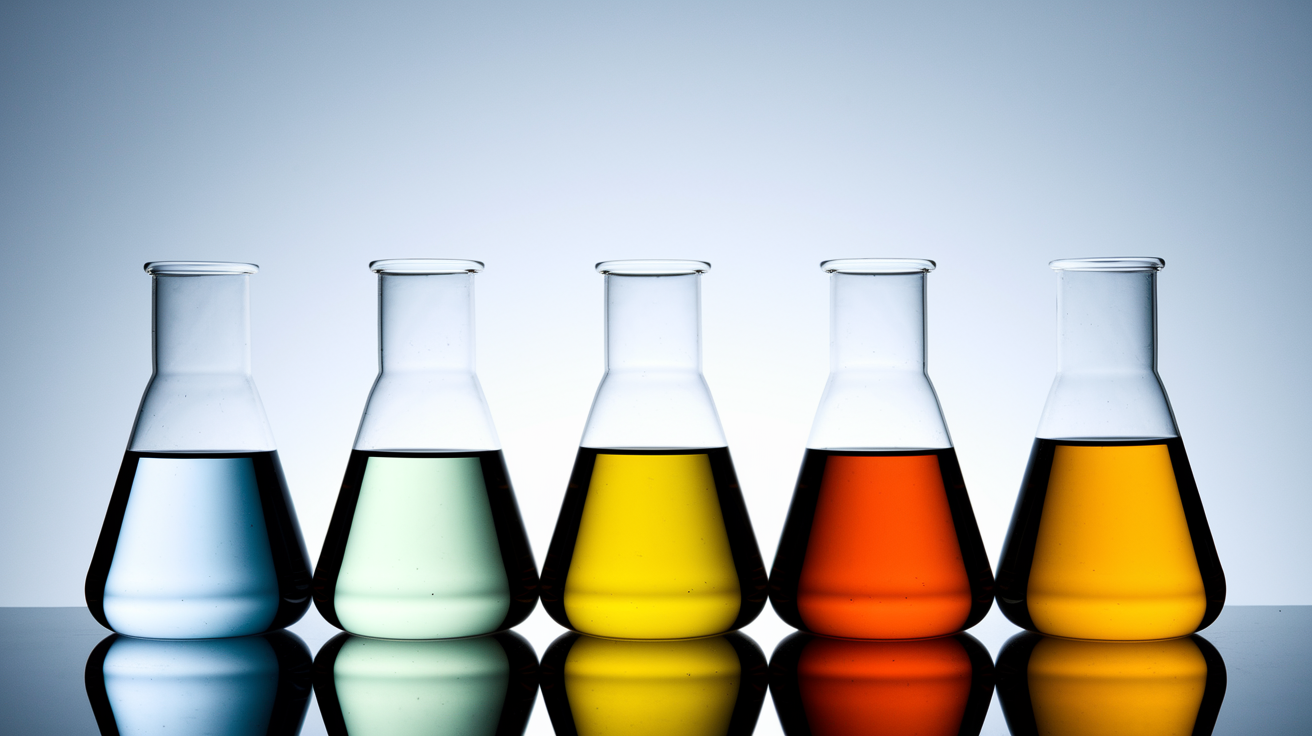
Urine color tells you a lot about whether you’re drinking enough. Pale yellow, like light lemonade, usually means you’re doing fine. As it darkens to deeper yellow or amber, your kidneys are concentrating waste because you need more fluid. Orange or brown is a warning to start drinking right away, and if it stays that way, it might mean something else is going on.
| Urine Color | What It Means |
|---|---|
| Clear or very pale yellow | Well hydrated (or possibly overhydrated if consistently clear) |
| Pale yellow (light lemonade) | Normal, healthy hydration |
| Dark yellow or amber | Mild to moderate dehydration—increase fluid intake |
| Orange or brown | Severe dehydration or possible liver/kidney issue—drink water and consider medical evaluation |
| Cloudy, red, or unusual colors | May indicate infection, blood, or other medical concern—seek medical advice |
When Adults Should Seek Medical Help for Dehydration

If you can’t keep fluids down from nonstop vomiting, if you’re confused or so tired you can barely function, or if you feel faint or dizzy to the point where standing isn’t safe, don’t wait around hoping it gets better. These symptoms mean your body’s struggling to keep things running normally, and drinking water at home won’t fix it. Rapid heart rate over 100, very dark urine or no urination for hours, severe muscle weakness or cramping, sunken eyes, no tears. These all mean you need medical evaluation and probably IV fluids to restore hydration safely.
Older adults and people with chronic conditions like diabetes or kidney disease should get help sooner. If you’re taking care of an elderly relative who seems unusually confused, won’t drink, or hasn’t urinated in many hours, contact their doctor or take them to urgent care. Infants and toddlers with a fever, very few wet diapers, no tears when crying, or a sunken soft spot need pediatric attention right away.
Three urgent signs that need prompt evaluation:
Altered mental status. Confusion, extreme lethargy, hallucinations, or can’t stay awake. Can’t keep any fluids down for more than a few hours. Signs of organ trouble. Little to no urine output, blood in urine, chest pain, shortness of breath, or fainting.
Final Words
In the action, you learned the common warning signs, how quickly symptoms can show up, and simple prevention steps that fit a busy day.
Quick signs—intense thirst, dark urine, dizziness, headache, low energy, and muscle cramps—usually arrive first.
Severe symptoms like confusion, fainting, very low urine output, or a rapid heartbeat need immediate care.
Keep using urine color and small habit swaps to spot and reduce risk—watching the symptoms of dehydration in adults helps you act early and stay safer.
FAQ
Q: What is the best thing to drink when you are dehydrated?
A: The best thing to drink when you are dehydrated is water for mild cases; for moderate or severe dehydration use an oral rehydration solution or a low‑sugar electrolyte drink to replace salts and fluids.
Q: What are the symptoms of severe dehydration?
A: The symptoms of severe dehydration include very low urine output, rapid heartbeat, confusion, fainting, extremely dry skin, sunken eyes, dizziness, and low blood pressure—signs that usually need urgent medical evaluation.
Q: How long can it take to recover from dehydration?
A: Recovery time from dehydration can range from a few hours to several days: mild dehydration often improves after a few hours of fluids; moderate to severe cases may take 24 to 72 hours or require medical rehydration.
Q: How do you treat dehydration in adults?
A: Dehydration in adults is treated by replacing lost fluids and electrolytes: sip water or an oral rehydration solution, rest in a cool place, and seek medical care for persistent vomiting or severe symptoms that may need IV fluids.