


What if your alarm isn’t the problem, your brain is?
Sleep inertia is the heavy, confused fog that lingers after waking, making thinking slow and sometimes unsafe.
It happens when parts of the brain stay stuck in deep sleep, when your circadian rhythm (your body clock) is off, or when you carry too much sleep debt.
Here you’ll get clear causes and quick, evidence-backed remedies, like bright light, hydration, movement, and breathing, so you can wake up more alert without overhauling your whole routine.
Understanding Sleep Inertia and Fast Relief Methods
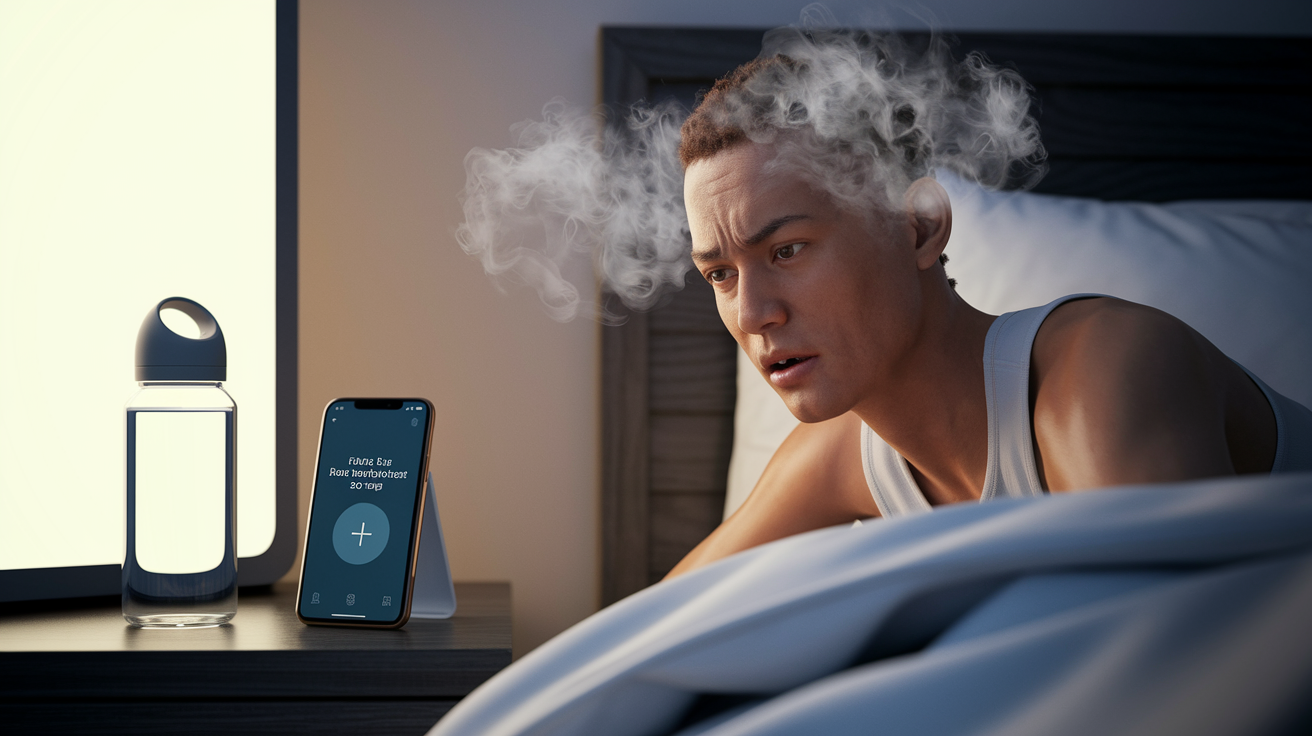
Sleep inertia is that groggy, disoriented fog you feel right after waking. Your brain doesn’t just flip from asleep to alert in one clean switch. The prefrontal cortex, the part handling decisions and focus, takes longer to wake up than other regions. Meanwhile, adenosine (a sleepiness chemical that builds while you’re awake) hasn’t fully cleared yet. If you wake suddenly from deep slow wave sleep, your brain’s still running delta waves linked to unconsciousness. It’s like trying to think through thick fog.
Most people deal with sleep inertia for 15 to 60 minutes. Sometimes it stretches to a few hours after really deep sleep or serious sleep deprivation. How bad it gets depends on which sleep stage you wake from, how much sleep debt you’re carrying, and where you are in your circadian rhythm. Waking during a natural low point between 2:00 and 5:00 a.m. makes everything worse.
The fastest ways to shake off grogginess target the systems causing it.
Bright light exposure suppresses melatonin and signals your circadian system that it’s daytime. Step outside for 10 minutes or use a 10,000 lux light box placed 16 to 24 inches from your face for 20 to 30 minutes.
Hydration boosts circulation and reduces subjective sleepiness. Drink 250 to 500 mL of water as soon as you wake.
Movement speeds up alertness by increasing heart rate and blood flow. A 5 to 15 minute walk or brief stair climbing works well.
Cool water on the face triggers a mild alertness response. Splash your face for 30 seconds or take a brief cool shower segment.
Intentional deep breathing increases oxygen delivery and activates your nervous system. Try 5 to 10 cycles of slow, full breaths.
These methods work because they counteract specific causes of grogginess. Light tells your brain to stop producing melatonin. Water and movement improve blood flow to your brain, speeding the clearance of adenosine and reactivating your prefrontal cortex. Cold exposure and breathing give your autonomic nervous system a gentle wake up signal. Combined, they can cut your grogginess window significantly, especially if you use them in the first few minutes after your alarm.
Primary Causes of Sleep Inertia

Waking from deep slow wave sleep is the single strongest trigger for intense sleep inertia. Sleep cycles run about 90 minutes, and slow wave sleep (stage N3) dominates the first third of the night and after long naps. During this stage, your brain produces high amplitude delta waves. If you’re pulled out of N3 abruptly, those delta waves persist in the posterior regions of your brain even after your eyes open. EEG studies from 2011 show that this residual delta activity correlates directly with how groggy and disoriented you feel. Your brain’s literally still partially asleep.
Circadian rhythm misalignment makes everything worse. Your body temperature, cortisol, and melatonin follow a 24 hour cycle. Melatonin peaks in the middle of the night and starts dropping a few hours before your usual wake time. Cortisol begins its awakening response about 30 to 45 minutes after you wake. If you’re forced to wake during a circadian low point (say at 3:00 a.m. for a shift or after an interrupted night), melatonin’s still high and cortisol hasn’t kicked in. The result is prolonged grogginess. Adolescents naturally shift to a later circadian rhythm, so early school start times place them in a chronic mismatch. They’re waking during their biological night and suffering worse inertia.
Sleep deprivation and accumulated sleep debt compound the problem. When you’re short on sleep, your body compensates by spending more time in deep slow wave sleep during recovery nights. That increases the chance you’ll be woken from N3. Chronic short sleep also elevates baseline adenosine levels. Since adenosine’s only partly cleared during sleep, you start the day with more of it lingering in your system, prolonging the time it takes to feel alert.
The most common triggers for sleep inertia are abrupt awakening from slow wave (N3) sleep, waking during a circadian nadir (typically 2:00 to 5:00 a.m.), chronic sleep restriction or high sleep debt (above 5 hours cumulative), irregular sleep wake schedules that prevent circadian entrainment, naps longer than 30 minutes that allow entry into slow wave sleep, and recovery sleep after extended wakefulness, which increases slow wave rebound.
Recognizing Symptoms and Duration

Sleep inertia shows up as cognitive slowing, disorientation, irritability, and a powerful urge to go back to sleep. Your reaction times lag. Decision making feels effortful. Tasks that normally take seconds can feel confusing. Visual attention and spatial memory are commonly impaired. Some people describe it as feeling drunk or underwater. In severe cases (called sleep drunkenness), you may struggle with coordination, forget where you are for a few moments, or make poor decisions about safety, like trying to drive when you’re not ready.
Duration varies widely. Most people feel the worst effects in the first 5 to 15 minutes after waking, with noticeable impairment lasting 15 to 60 minutes. Performance on cognitive tasks (measured by keystroke speed and decision accuracy) tends to stay lower for the first 2 hours after waking in real world studies. In cases of severe sleep deprivation, abrupt awakening from deep sleep, or certain sleep disorders, grogginess can persist for 2 to 4 hours. One 2019 study found that early post wake performance impairment can match or exceed the cognitive deficits seen after 40 hours of total sleep deprivation.
You’re likely experiencing more intense sleep inertia than normal if you feel disoriented or confused about where you are for more than a minute or two, grogginess lasts beyond 60 to 90 minutes despite using wake up strategies, you have a strong (almost irresistible) urge to return to sleep even after a full night, or decision making stays impaired enough to affect safety.
Evidence Based Strategies to Reduce or Prevent Sleep Inertia
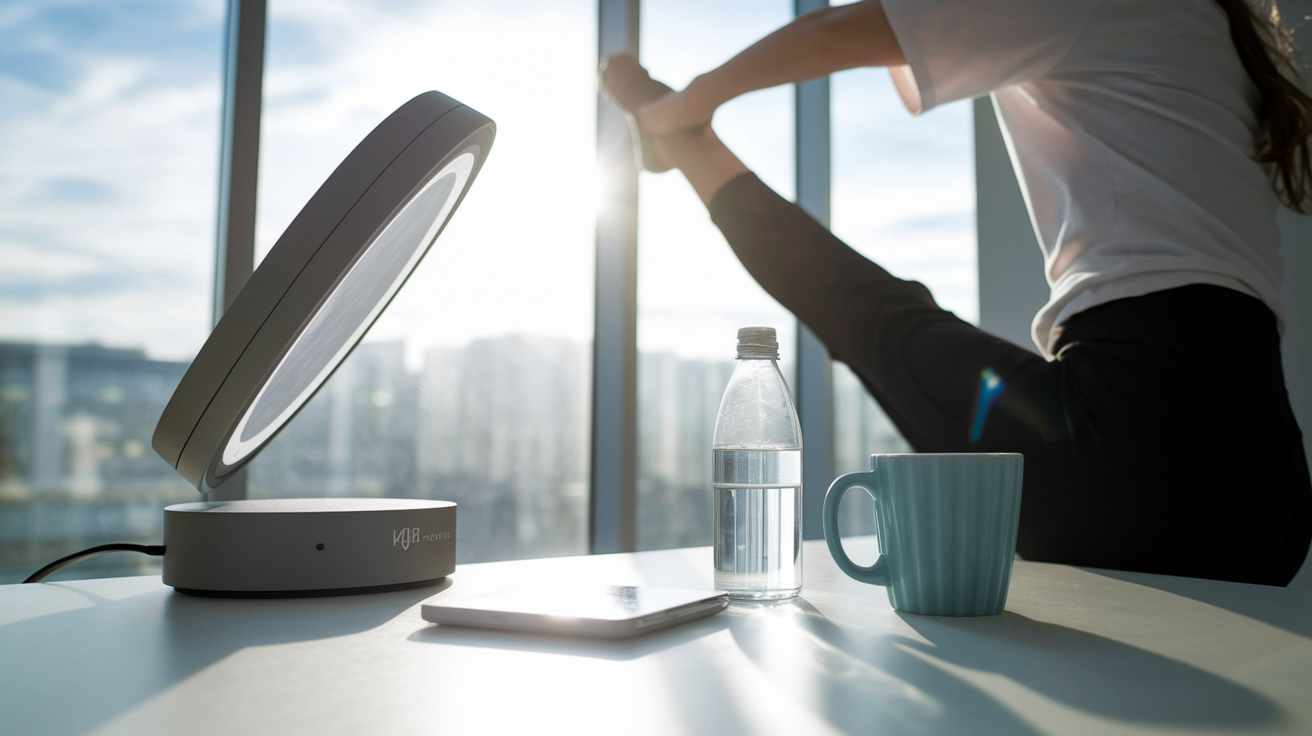
Environmental adjustments can prevent abrupt awakenings and ease the transition from sleep to wake. Use a dawn simulation alarm that gradually increases light over 30 to 60 minutes before your target wake time. This mimics sunrise and helps your brain begin the waking process while still in lighter sleep stages. Choose alarm sounds with a tempo of 100 to 150 beats per minute and lower frequency tones around 500 Hz. They’re less jarring than high pitched beeps. If you rely on a standard alarm, set it once and place it across the room so you have to stand up to turn it off. A 2022 study found that hitting snooze and cycling through repeated short awakenings prolongs sleep inertia rather than reducing it.
Behavioral routines that align with your circadian rhythm make a measurable difference. Go to bed and wake up at the same time every day, even on weekends. Consistency allows your circadian system to predict wake time and begin ramping up cortisol and body temperature in advance. About 87% of people experience social jetlag from irregular schedules, which increases the odds of waking during a circadian low. Limit evening exposure to blue light by dimming screens or using filters after 8:00 p.m. A 2020 study linked high evening blue light exposure to increased sleep inertia the next morning. Avoid caffeine within 8 to 10 hours of bedtime. Caffeine has a half life of about 5 hours, and a 2023 meta analysis confirmed it reduces deep sleep and increases nighttime awakenings, both of which worsen morning grogginess.
Physiological interventions provide immediate relief once you’re awake. Drink 250 to 500 mL of water within the first few minutes. Dehydration overnight reduces blood volume and slows circulation to your brain. Engage in 5 to 15 minutes of light aerobic activity. A brisk walk, stair climbing, or dynamic stretching. Even 30 seconds of higher intensity movement post nap improved alertness in a 2021 study, though low intensity movement helps too. Expose yourself to bright light. Ten minutes of outdoor light works well. If it’s overcast or you’re indoors, aim for 15 to 20 minutes by a window or 30 minutes with a 10,000 lux light therapy lamp. A 2023 real world study showed that brighter post wake light exposure reduced sleep inertia duration. If you use caffeine, take 100 to 200 mg right after waking to block adenosine receptors. A tactic called the caffeine nap involves drinking 150 to 200 mg of caffeine and then taking a 20 minute nap so the caffeine peaks just as you wake, though this requires careful timing.
| Method | How It Helps |
|---|---|
| Bright light exposure (10,000 lux for 20–30 min) | Suppresses melatonin and signals circadian system that daytime has started |
| Hydration (250–500 mL water on waking) | Restores blood volume and improves cerebral circulation after overnight fluid loss |
| Brief aerobic activity (5–15 min walk or movement) | Increases heart rate and blood flow, accelerating prefrontal cortex reactivation |
| Caffeine (100–200 mg immediately after waking) | Blocks adenosine receptors, reducing residual sleepiness signal |
Troubleshooting Persistent Morning Grogginess

If you consistently feel groggy for more than 60 to 90 minutes despite good sleep hygiene and wake up strategies, the issue may go beyond normal sleep inertia. Sleep disorders such as obstructive sleep apnea fragment your sleep and prevent deep restorative cycles, leaving you with high sleep debt even after 7 to 9 hours in bed. Hypersomnia and narcolepsy can cause excessive daytime sleepiness and prolonged morning confusion. Circadian rhythm disorders (including delayed sleep phase disorder common in night owls) mean your biology’s misaligned with your required schedule. You’re perpetually waking during your biological night.
Medication side effects and health conditions also contribute. Sedating medications, alcohol, and some antihistamines suppress REM sleep and increase slow wave rebound, making morning grogginess worse. Anxiety, ADHD, and obesity have all been linked to poorer sleep quality and longer inertia. If you smoke or use cannabis regularly, both interfere with sleep architecture. Review your sleep environment. Is your bedroom cool (around 65 to 68°F is ideal), dark, and quiet? Are you comfortable? Poor bedding or pain that wakes you repeatedly will fragment sleep and increase the chance of waking from deep sleep.
Pay attention to patterns. Keep a sleep journal for two weeks. Note your bedtime, wake time, how you felt on waking, nap length, caffeine intake, and any nighttime awakenings. If you see a clear link between late caffeine, alcohol, or inconsistent sleep times and worse grogginess, you’ve got an actionable target. If no pattern emerges and you’re following the evidence based strategies without improvement, it’s time to talk to a clinician.
Seek medical evaluation if you experience severe or prolonged grogginess (more than 2 hours) most mornings even with adequate sleep duration, loud snoring, gasping, or witnessed pauses in breathing during sleep (which suggest sleep apnea), sudden, irresistible sleep episodes during the day or loss of muscle tone triggered by emotion (cataplexy, signs of narcolepsy), or persistent daytime sleepiness or difficulty staying awake despite 7 to 9 hours of sleep per night and good sleep hygiene.
Final Words
In the action, we defined sleep inertia and why you feel groggy, then listed fast relief tactics like bright light, hydration, movement, cool water on the face, and deep breathing.
We also dug into main causes—waking from deep sleep, irregular schedules, and sleep debt—and how symptoms can last minutes to hours.
Use evidence-backed steps for quick help and routine changes for the long term. If grogginess keeps returning, check for possible sleep disorders.
Putting sleep inertia causes and remedies into small, repeatable habits—bright light after waking, consistent bedtime, short naps, and simple hydration—usually reduces morning fog. Try one small change this week; you’ll likely notice clearer mornings.
FAQ
Q: How to make sleep inertia go away?
A: The way to make sleep inertia go away is to reduce sleep pressure fast: get bright light, drink water, move for a few minutes, splash cool water on your face, and take five deep breaths.
Q: What causes intense sleep inertia?
A: Intense sleep inertia is caused by waking from deep slow‑wave sleep, long sleep debt, irregular schedules, sudden alarms, circadian misalignment, and lingering sleep chemicals like adenosine (a sleep‑promoting chemical) slowing brain reactivation.
Q: How long does it take to fix sleep inertia?
A: Fixing sleep inertia typically takes 15–60 minutes for most people, though it can last several hours in extreme cases; using light, movement, hydration, or caffeine can shorten that recovery.