


What if the easiest way to lower stress is to tense your muscles, on purpose?
Progressive muscle relaxation (PMR) does exactly that: you tighten specific muscle groups for a few seconds, then fully release, training your nervous system to notice real relaxation.
It’s simple, research-backed, and fits into 3 to 25 minutes, so you can use a 3-minute quick version or a full 15 to 20 minute routine.
Read on for a clear step-by-step guide, short scripts for busy days, and small practice tips that can show benefits in one to four weeks.
Core Overview of the Progressive Muscle Relaxation Method

Progressive muscle relaxation is a stress reduction method that works through deliberate contrast. You tense specific muscle groups for 5 to 10 seconds, then release completely for 10 to 20 seconds. That tension to release cycle trains your nervous system to recognize what relaxation actually feels like. A full session usually takes 15 to 25 minutes. Shorter versions run 7 to 10 minutes, and quick routines can be done in 3 to 5 minutes when you need fast relief.
The technique pairs with your breathing. Inhale as you tense, exhale as you release. You move through the body in a structured sequence, often starting with your feet and working up to your face or the other way around. Each muscle group gets one or two cycles, and the practice ends with a few minutes of still breathing and body awareness.
Benefits often show up within 1 to 4 weeks if you practice daily or 3 to 5 times per week. Early gains include feeling physically looser after each session, falling asleep faster, and noticing your stress ratings drop. Consistency beats perfection when you’re just starting.
Understanding Muscle Relaxation Through Tensing and Releasing Patterns

Progressive muscle relaxation creates a sharp contrast your autonomic nervous system can’t ignore. When you deliberately tense a muscle group, your sympathetic (fight or flight) branch activates. The moment you release, your parasympathetic nervous system (rest and digest) takes the cue and shifts your body into a physical relaxation response. That shift lowers heart rate, slows breathing, and reduces stress hormone release.
Over time, repeated practice improves somatic awareness. That’s your ability to detect subtle tension. You start noticing where you habitually hold stress. Jaw, shoulders, stomach. And you gain the skill to release it on command. This heightened body sense translates into faster recovery from everyday stressors and better regulation during high pressure situations.
The tension phase isn’t an exercise or a strengthening move. Its job is simply to teach your nervous system what tight feels like so that relaxed becomes unmistakable. The more distinct that contrast, the more reliable your relaxation response becomes when you need it outside of practice. Before a presentation, after a long workday, or during a sleepless night.
Benefits of the Progressive Muscle Relaxation Method for Stress and Anxiety

Regular practice delivers measurable reductions in both subjective and physiological markers of stress. Research shows people who use the technique consistently report lower anxiety ratings, easier sleep onset, reduced muscle tension, and fewer stress related physical symptoms like tension headaches and digestive discomfort. In a 2009 randomized trial comparing five weeks of practice, progressive muscle relaxation and mindfulness meditation produced similar stress reduction results.
Clinical applications go beyond general wellness. A 2019 smartphone based intervention study found that guided progressive muscle relaxation significantly reduced migraine frequency and intensity. Studies from 2008 to 2016 documented symptom relief in cancer patients undergoing chemotherapy (reduced pain, nausea, and anxiety), and a 2017 trial showed improved mood and reduced anxiety in parents of hospitalized children. Athletes struggling with insomnia also saw improved sleep quality in a 2016 study, and a 2012 college student trial reported significant short term relaxation gains in high stress academic periods.
The technique works both as a standalone practice and when combined with other approaches like cognitive behavioral therapy, mindfulness meditation, and guided imagery. Long term users often describe growing psychological calm, better emotional regulation, and improved resilience during unpredictable events.
Key benefits include:
- Reduced subjective anxiety and lower physical symptoms of stress
- Faster sleep onset and improved overall sleep quality
- Relief from tension headaches and migraines with consistent practice
- Improved mood and lower perceived stress in caregivers and high stress populations
- Reduced chemotherapy side effects in cancer patients
- Enhanced recovery and relaxation capacity in athletes
- Stronger body awareness and better ability to catch tension early
How to Perform the Progressive Muscle Relaxation Technique Step by Step

The full routine involves systematically working through your entire body in a structured sequence. Each muscle group receives focused attention, clear timing, and coordinated breathing. The goal isn’t to build strength but to train awareness and release.
Prepare Your Space
Choose a quiet, comfortable location where you won’t be interrupted for 15 to 25 minutes. Dim the lights or close the blinds if bright light is distracting. Remove shoes and loosen any restrictive clothing. Belts, tight waistbands, jewelry. Set your phone to Do Not Disturb mode. If you’re new to the technique, consider using a yoga mat, bed, or padded surface for lying down. A chair with back support works well if lying flat feels uncomfortable.
Position Your Body
Lie on your back with your arms at your sides, palms facing up, and legs uncrossed. Use a small pillow under your head and knees if that feels more supportive. Alternatively, sit in a chair with your feet flat on the floor, back supported, and hands resting on your thighs or armrests. Close your eyes gently. Take 3 to 5 slow, deep breaths (inhale through your nose for 4 counts, exhale through your mouth for 6 counts) to settle into the space and signal to your body that it’s time to shift out of task mode.
Tense and Release With Correct Timing
Move through each muscle group in order. Breathe in slowly as you tense the target muscles for 5 to 10 seconds (firm tension but not painful). Exhale fully as you release all tension at once. Rest and notice the sensations of looseness and warmth for 10 to 20 seconds before moving to the next group. If a muscle group still feels tight, repeat the cycle once more. Maintain slow, steady breathing throughout.
Complete 16 muscle group sequence (head to toe or toe to head):
- Right foot and toes (curl toes downward)
- Right calf (point toes toward shin)
- Right thigh (tighten quadriceps)
- Left foot and toes
- Left calf
- Left thigh
- Hips and buttocks (squeeze together)
- Abdomen (pull navel toward spine)
- Lower back (gentle arch, avoid pain)
- Chest (take a deep breath and hold briefly)
- Upper back and shoulder blades (squeeze blades together)
- Right hand (clench fist)
- Right forearm and bicep (bend elbow, flex arm)
- Left hand
- Left forearm and bicep
- Shoulders and neck (raise shoulders toward ears)
- Face (forehead, eyes squeezed shut, jaw clenched, then release fully)
This full sequence typically takes 15 to 20 minutes. You can adjust the order (start with hands instead of feet) as long as you cover all major groups.
End the Session With a Final Body Scan
After completing the sequence, remain still for 2 to 3 minutes. Mentally scan your body from head to toe, noticing any remaining areas of tension without trying to fix them. Breathe slowly and evenly. When you’re ready to return to full alertness, count backward from 5 to 1, wiggle your fingers and toes, and open your eyes slowly. Sit up gradually to avoid dizziness.
Progressive Muscle Relaxation Scripts and Guided Practice Options
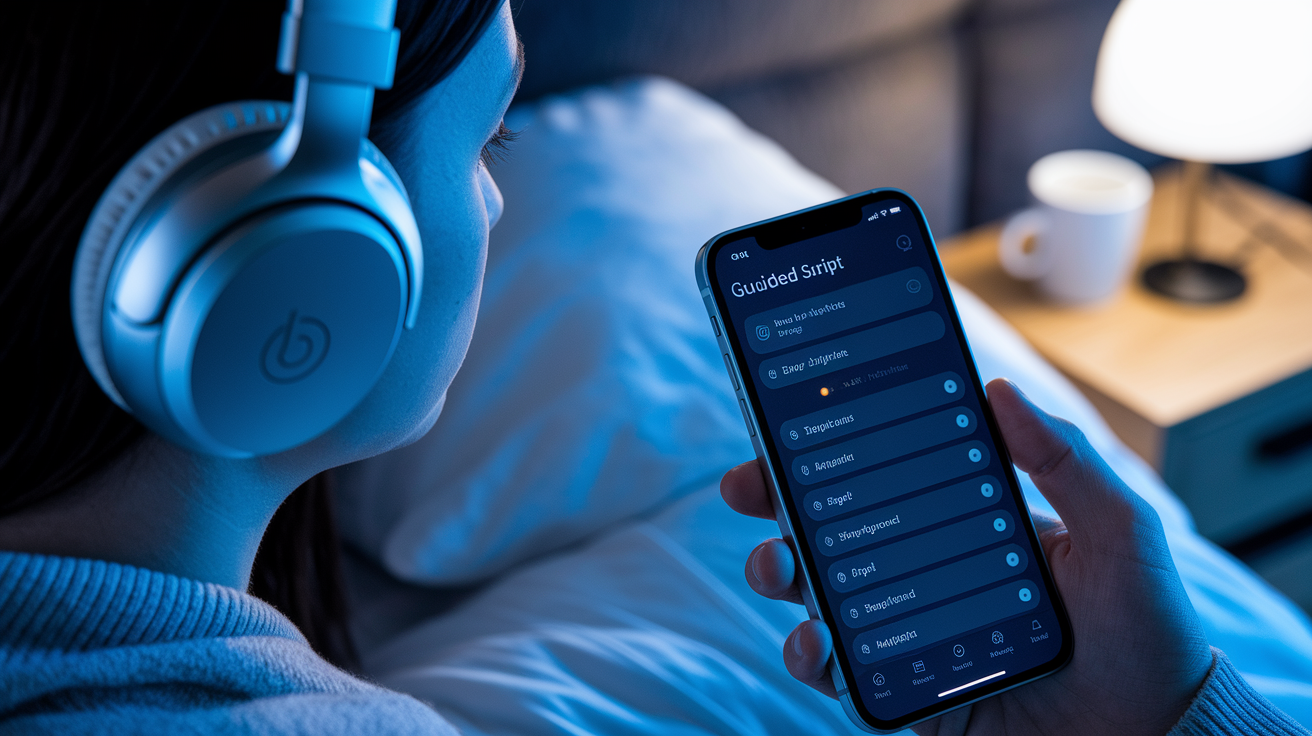
Pre-recorded guided scripts remove the mental effort of remembering the sequence and timing, making them ideal for beginners or evening wind down routines. A typical 10 to 12 minute beginner audio will pace you through 7 to 10 muscle groups with clear cues for tensing, releasing, and breathing. Longer 20 to 25 minute tracks offer a more comprehensive full body experience with extended rest periods between groups.
If time is limited, a 5 minute “mini” version targets high tension areas (jaw, shoulders, hands, and stomach), using the same 5 second tension and 10 second release pattern but covering only 4 to 6 groups. This works well during a work break, before a stressful meeting, or when you wake in the middle of the night and need to settle quickly.
Three common script formats:
- Full routine (15 to 25 minutes): covers all 14 to 17 muscle groups, includes setup breathing and a final body scan. Best for evening practice or dedicated relaxation time.
- Abbreviated routine (7 to 10 minutes): combines related groups (hands and forearms together, chest and abdomen together) for a faster sequence. Useful for consistent daily practice when time is tight.
- Emergency mini routine (3 to 5 minutes): focuses only on jaw, neck, shoulders, and hands. Provides immediate relief during acute stress or anxiety spikes.
Short, Bedtime, and Seated Variations
A bedtime version uses gentler tension and slower pacing to avoid re-energizing your body. Perform it lying in bed with the lights off, and skip the final alertness countdown (let yourself drift into sleep instead). A seated variation works in an office chair or car (when parked). Keep your feet flat, back supported, and eyes closed if safe to do so. Focus on upper body groups (hands, arms, shoulders, neck, face) if leg space is limited. Short routines (under 10 minutes) fit naturally into morning coffee time, lunch breaks, or pre-bedtime rituals, and research shows that even brief daily practice accumulates benefit over 2 to 4 weeks.
Common Mistakes When Practicing PMR and How to Fix Them

Beginners often tense muscles so hard that they cause discomfort or cramping. The goal is firm, noticeable tension (about 50 to 70 percent of your maximum effort), not a strength test. If you feel sharp pain, ease back immediately. Another frequent error is holding your breath during the tension phase, which raises stress rather than reducing it. Always inhale gently before tensing and exhale fully as you release.
Skipping the rest and noticing phase between muscle groups reduces the learning effect. Those 10 to 20 seconds of stillness are where your nervous system registers the contrast and builds the relaxation response. Rushing through the sequence turns the practice into a checklist instead of a sensory training session.
Six mistakes to avoid:
- Tensing beyond comfort (causing pain or cramping)
- Holding your breath instead of coordinating breathing with tension and release
- Skipping or shortening the rest periods between groups
- Practicing only when already highly stressed (learn the sensations when calm first)
- Multitasking or practicing in unsafe situations (like while driving or operating machinery)
- Expecting immediate, dramatic change after one session (benefits build over days and weeks)
If you find it hard to stay focused, use a guided audio for the first 10 to 20 sessions. Guided tracks pace you through each step and reduce the mental load of remembering what comes next. Track your sessions on paper or in a notes app. Aim for at least 10 sessions over two weeks before evaluating whether the technique is helping.
Safety Considerations and Who Should Modify the Progressive Muscle Relaxation Approach
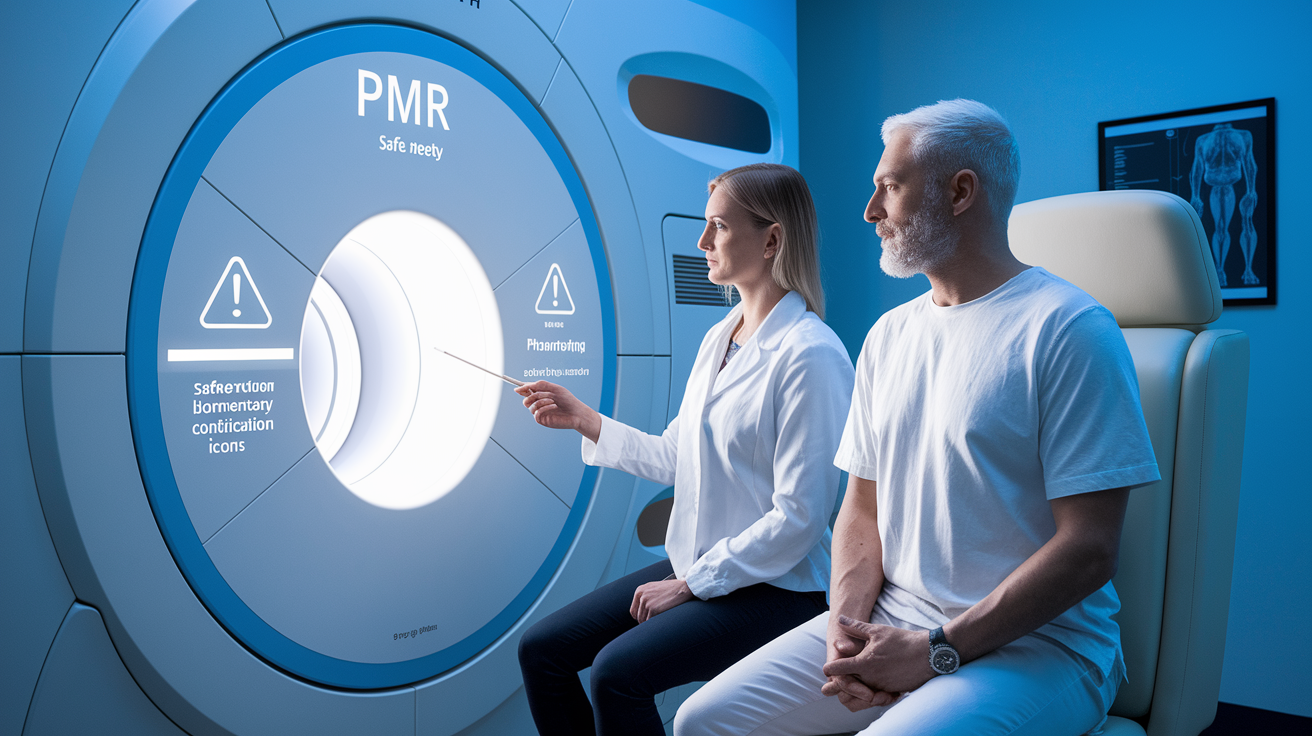
Progressive muscle relaxation is generally safe for most adults, but certain conditions require modification or medical clearance before you begin. Avoid strong muscle tensing if you have recent surgery, broken bones, pulled muscles, blood clots, or acute musculoskeletal injuries. Tensing inflamed or injured tissue can worsen damage and delay healing. If you have uncontrolled cardiovascular conditions (like severe hypertension or recent heart events), consult your healthcare provider before starting, as deliberate tensing can temporarily raise blood pressure.
Pregnancy, especially in the second and third trimesters, calls for gentler tension and avoidance of deep abdominal or lower back contractions. Focus on upper body groups (hands, arms, shoulders, neck, face) and use lighter, shorter tension holds (3 to 5 seconds instead of 10). If you have a history of seizures or significant chronic pain, discuss the technique with your clinician to ensure it fits your treatment plan.
Stop the session immediately if you experience dizziness, sharp pain, numbness, or unusual symptoms. Muscle shaking or mild fatigue is normal as your body learns the practice, but persistent discomfort is not. Progressive muscle relaxation is education and self care, not a substitute for medical diagnosis or treatment. If stress, anxiety, or insomnia significantly interfere with daily function, seek guidance from a qualified mental health or medical professional alongside your relaxation practice.
Evidence and Research Supporting Progressive Muscle Relaxation

The progressive muscle relaxation technique has a research history extending back to the late 19th and early 20th centuries, with formal reviews appearing in scientific literature by 1977. Modern randomized controlled trials continue to validate its effectiveness across diverse populations and clinical settings.
A 2009 randomized comparison study found that five weeks of progressive muscle relaxation produced stress reduction outcomes equivalent to mindfulness meditation, offering a viable alternative for individuals who prefer structured physical techniques over seated awareness practices. In 2012, a trial involving high stress college students demonstrated significant short term increases in relaxation and decreases in perceived stress after abbreviated sessions.
Key research findings:
- 2016 athlete insomnia study: regular practice improved sleep quality and reduced time to fall asleep in competitive athletes.
- 2017 parent anxiety trial: parents of hospitalized children experienced measurable reductions in anxiety and improvements in mood after guided sessions.
- 2019 migraine intervention: a smartphone delivered progressive muscle relaxation program significantly reduced migraine frequency and intensity over eight weeks.
- 2008 to 2016 cancer care reviews: multiple studies documented reductions in chemotherapy related pain, nausea, and anxiety among patients using the technique as part of supportive care.
- Clinical integration: the technique is frequently combined with cognitive behavioral therapy, hypnotherapy, and guided imagery to enhance treatment outcomes for anxiety disorders, chronic pain, and stress related conditions.
The consistency of positive findings across clinical, athletic, and general wellness populations supports the technique as an evidence based, low cost tool suitable for both professional and self directed use.
Customizing the Progressive Muscle Relaxation Technique for Daily Routines

Fitting progressive muscle relaxation into a busy schedule requires realistic planning and flexible formats. Start with a goal of 3 to 4 sessions per week, using whichever session length fits your available time (5, 10, or 20 minutes). Morning practice before work can set a calmer tone for the day, while evening sessions 30 to 60 minutes before bed support sleep onset. Many users find that practicing at the same time each day (for example, right after brushing teeth or during a mid-afternoon break) builds consistency faster than sporadic sessions.
Expect to complete 10 to 20 sessions over 2 to 4 weeks before you reliably notice improvements in stress levels, sleep quality, or physical tension. Early sessions may feel awkward or mentally demanding, but the technique becomes smoother and more automatic with repetition. Track your practice in a simple log (date, duration, and a 0 to 10 stress rating before and after) to measure progress objectively.
Three ways to integrate the technique:
- Morning reset: 7 minute abbreviated routine after waking, before checking email or starting tasks.
- Lunch break decompression: 5 minute seated mini routine in your car or a quiet room to interrupt midday stress buildup.
- Evening wind down: 15 to 20 minute full body session in bed, using dim lighting and a guided audio to transition into sleep mode.
Final Words
Start with the tension-to-release cycle: tense 5–10 seconds, release 10–20, inhaling as you tense and exhaling as you release. Try a full 15–25 minute session, a 7–10 minute abbreviated run, or a 3–5 minute mini.
Aim for daily practice or 3–5 times a week; many notice improvements in 1–4 weeks. Avoid over‑tensing, breath holding, or practicing during acute injury—modify if needed.
Use the progressive muscle relaxation technique for a few minutes most days. Small, steady steps tend to add up to calmer muscles, better sleep, and less stress. You can do this.
FAQ
Q: What is the progressive muscular relaxation technique?
A: The progressive muscular relaxation technique is a systematic tension→release cycle where you tense a muscle group 5–10 seconds, then release 10–20 seconds, inhaling while tensing and exhaling while releasing to reduce tension.
Q: Who shouldn’t do progressive muscle relaxation?
A: People who shouldn’t do progressive muscle relaxation include those with recent surgery, fractures, blood clots, acute musculoskeletal injury, or unstable heart conditions; pregnant people and anyone with medical risks should use gentler versions and consult a clinician.
Q: What is the strongest natural muscle relaxer?
A: There isn’t one strongest natural muscle relaxer; heat, massage, gentle stretching, and magnesium (for cramps) commonly ease muscle tension—choose what helps you and check with your clinician before supplementing.
Q: How long should progressive muscle relaxation take?
A: Progressive muscle relaxation sessions typically run 15–25 minutes (full), 7–10 minutes (abbreviated), or 3–5 minutes (mini); tense for 5–10 seconds, then release for 10–20 seconds with matching breath.