

Could shortness of breath be a sign of something harmless, or a warning you shouldn’t ignore?
Shortness of breath (dyspnea) is the uneasy feeling of not getting enough air during rest or normal activity.
It can come from the lungs (asthma, COPD, pneumonia), the heart (heart failure, arrhythmia, heart attack), infections, anxiety, or environmental triggers.
This post walks through common causes, the patterns that point to each one, clear warning signs that mean you need urgent care, and simple next steps you can try today.
Key Indicators Shortness of Breath Can Reveal About Your Health
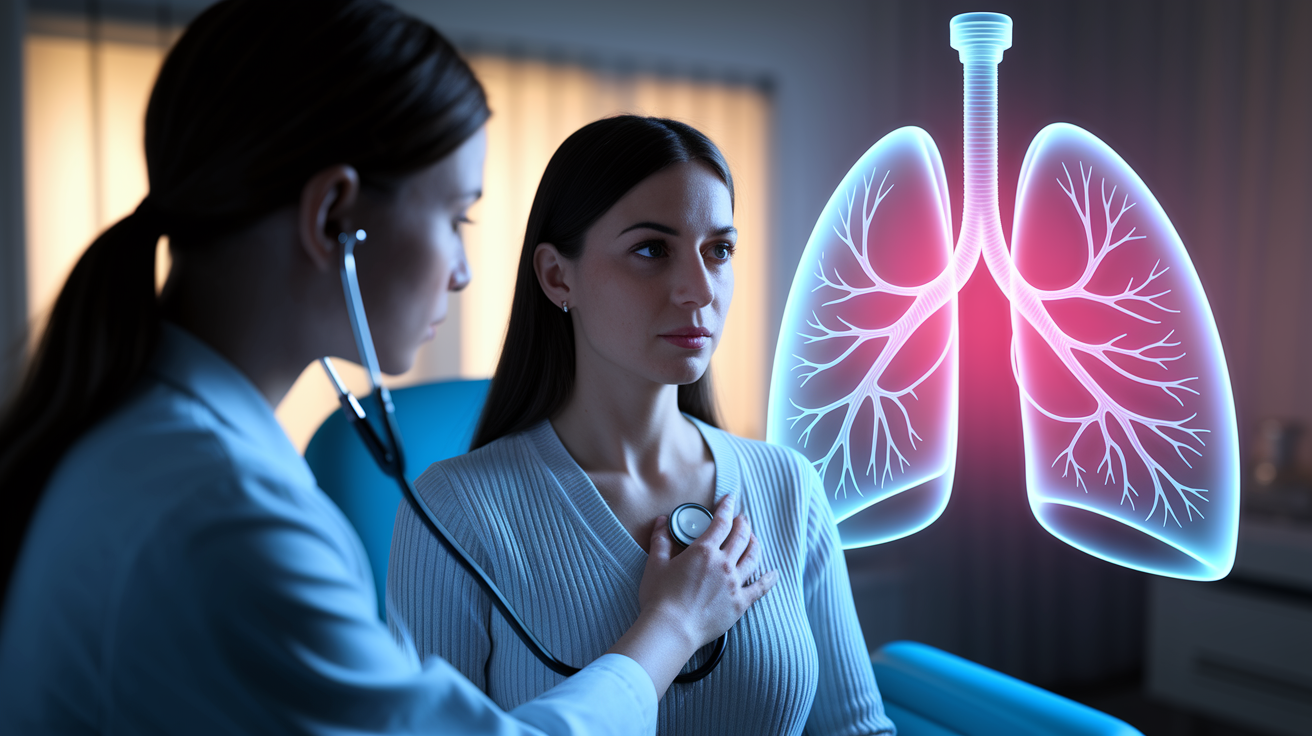
Shortness of breath, or dyspnea in medical terms, is that feeling where you can’t pull in enough air during rest or normal activities that should be easy for your age and fitness level. It shows up with fatigue, chest tightness, coughing, or anxiety a lot of the time. Sometimes it hits you suddenly. Other times it creeps in over weeks or months.
Dyspnea isn’t the same thing as shallow breathing. When you’re dealing with real dyspnea, your breath in is usually way shorter than your breath out. Shallow breathing looks like quicker, smaller breaths with an even rhythm both ways. Shallow breathing by itself doesn’t count as dyspnea unless it starts messing with your daily routine or makes you feel like you’re not getting enough oxygen.
Most shortness of breath points to a few medical categories. Asthma causes inflammation and tightening in your airways that can reverse, making it harder to breathe in and out. COPD (chronic obstructive pulmonary disease) damages lung tissue and airways permanently, blocking your ability to exhale mainly. Heart attack or other heart trouble reduces blood flow through the lungs or backs fluid up into lung tissue. Interstitial lung disease means long term damage to the small air sacs, often from smoking or workplace exposures. Viral infections like COVID-19 inflame lung tissue and can turn into pneumonitis or pneumonia. Anxiety and panic disorders trigger real breathlessness by changing your breathing rhythm and depth, and they can spiral into full panic attacks.
You’ll typically see symptoms starting in someone’s 50s as lung function naturally drops and smoking related changes pile up. When shortness of breath begins in younger adults, it’s usually tied to asthma or acute bronchitis. Genetics can sometimes cause early onset emphysema or heart disease, bringing these symptoms forward by a decade or more.
Top categories of causes:
- Airway constriction: asthma, allergic reactions, chronic bronchitis
- Lung tissue damage: emphysema, pulmonary fibrosis, pneumonia
- Heart and circulation problems: heart failure, arrhythmias, heart attack
- Emotional and nervous system triggers: anxiety disorders, panic attacks
- Infectious inflammation: COVID-19, pneumonia, bronchitis
Acute vs. Chronic Patterns of Breathlessness and What They Suggest
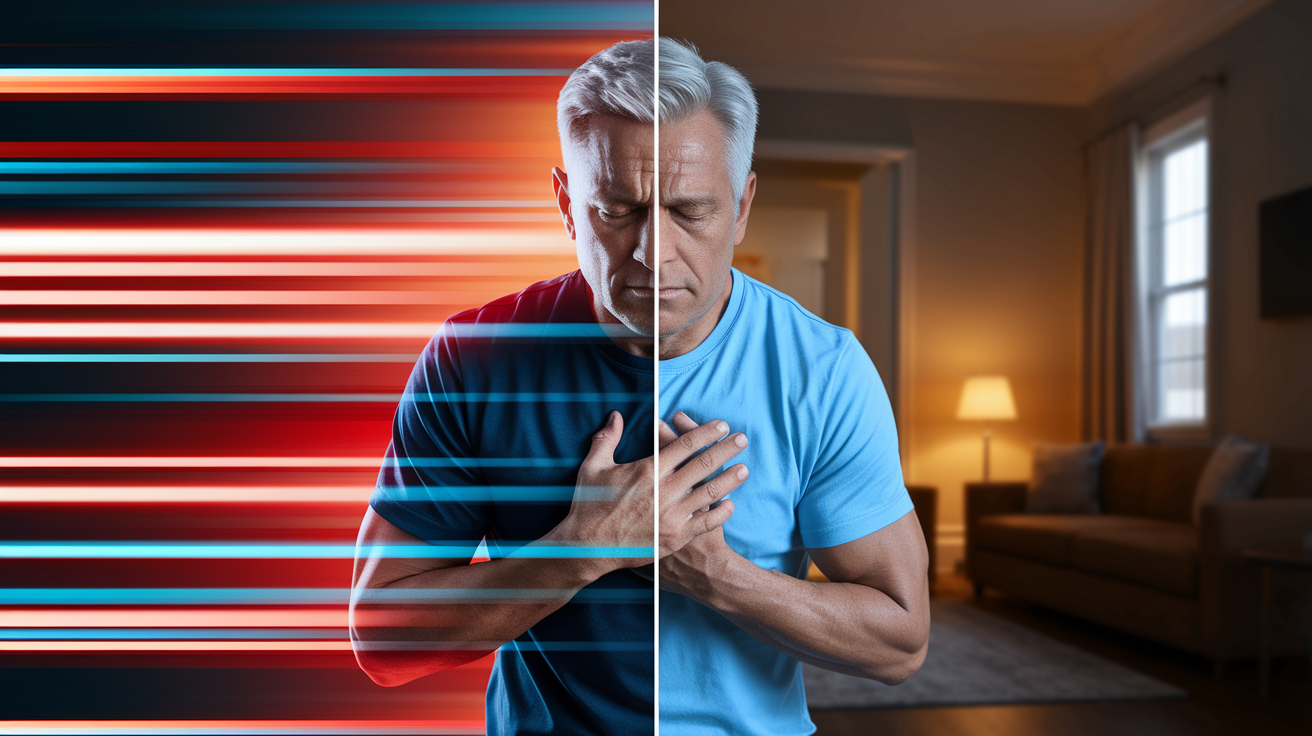
Chronic breathlessness means shortness of breath lasting four weeks or longer. This pattern points to a progressive or stable underlying condition like COPD, heart failure, or interstitial lung disease. Acute breathlessness appears suddenly, within minutes to hours often, and raises concern for urgent problems that need faster action.
Shortness of breath after hard exercise is normal. If you push your body past its current conditioning, you’re going to feel breathless until you recover. Improving your fitness gradually cuts down how easily you get winded. Warning signs that breathlessness during or after exercise isn’t normal include a very high heart rate with chest heaviness, a sinking or fainting sensation, dizziness, chest pain, noticeable pressure in the chest, or irregular palpitations. Those symptoms suggest a heart or breathing problem that needs medical assessment.
Environmental triggers can produce temporary breathlessness that goes away when the exposure ends. Extreme heat or cold, high altitude, poor air quality from pollution or wildfire smoke, and sudden temperature changes can all make breathing harder without meaning you have a disease. If symptoms fade after you get back to normal conditions and don’t come back, they were probably situational. If breathlessness keeps showing up or doesn’t improve after a couple of hours, get it checked out.
| Pattern | Possible Indications |
|---|---|
| Sudden onset (minutes to hours) | Asthma attack, allergic reaction/anaphylaxis, airway obstruction (choking), pulmonary embolism, heart attack, panic attack |
| Rapidly worsening over hours to days | Pneumonia, acute heart failure exacerbation, COPD flare, COVID-19 progression |
| Chronic (≥4 weeks) | COPD, heart failure, pulmonary fibrosis, pulmonary hypertension, obesity-related cardiopulmonary strain |
| Exertional only | Early heart failure, early COPD, pulmonary hypertension, deconditioning, anemia |
| At rest or lying flat | Heart failure with pulmonary congestion, severe COPD, late-stage lung disease |
| Triggered by allergens, cold air, or exercise | Asthma, exercise-induced bronchoconstriction |
Respiratory Causes of Shortness of Breath and Their Common Indicators
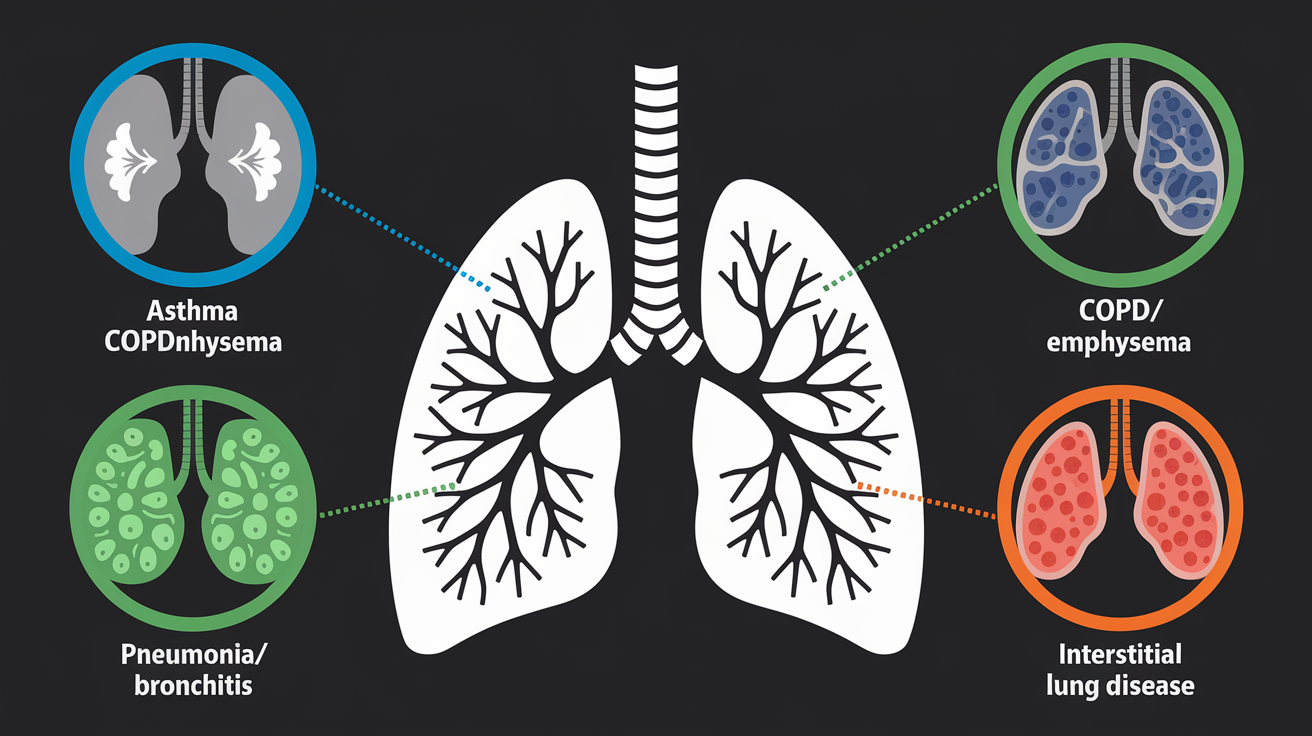
Lung related causes of shortness of breath fall into two main groups: problems with the airways that carry air in and out, and problems with the lung tissue itself that handles oxygen exchange. Understanding which part of the system is affected helps narrow down what’s likely going on.
Asthma
Asthma is a reversible condition where the airways become inflamed and constrict when you’re exposed to triggers like allergens, cold air, exercise, smoke, or respiratory infections. During an asthma attack, mucus production goes up and the airway walls tighten, making both breathing in and out harder. Common signs include wheezing (that high pitched sound when breathing), chest tightness, coughing, and difficulty taking a full breath. Inhalers that deliver bronchodilators or steroids usually improve symptoms within minutes to hours, which helps confirm the diagnosis.
COPD and Emphysema
COPD is an umbrella term for progressive lung diseases, mainly chronic bronchitis and emphysema, that cause permanent damage to the airways and air sacs. Most cases develop from long term smoking. Emphysema destroys the tiny air sacs in the lungs, making it hard to push air out fully. The hallmark of COPD is difficulty with breathing out. Breathing becomes labored, and you may feel short of breath even during light activity or at rest as the disease gets worse. Genetics can cause early onset emphysema in people in their 30s or 40s, especially in those with alpha-1 antitrypsin deficiency.
Pneumonia and Bronchitis
Pneumonia is a lung infection that inflames the air sacs and can fill them with fluid or pus. It produces shortness of breath along with cough (often with phlegm), fever, chills, chest pain, and fatigue. Acute bronchitis is inflammation of the large airways, usually from a viral infection, and it’s the most common cause of sudden shortness of breath in younger adults. It typically clears up within a couple of weeks. Bacterial pneumonia and severe viral pneumonia can get worse quickly and may need antibiotics or hospitalization.
Interstitial Lung Disease
Interstitial lung disease refers to a group of conditions that scar and stiffen lung tissue over time. Pulmonary fibrosis is one example. Long term exposure to cigarette smoke, industrial dust, asbestos, or certain chemicals damages the small air sacs and the tissue around them. As the lungs stiffen, they can’t expand and contract efficiently, and oxygen transfer gets impaired. Symptoms include progressive shortness of breath, a dry cough, and fatigue that worsens over months to years.
Lung causes are more likely when shortness of breath comes with coughing, wheezing, mucus production, or a history of smoking or workplace exposures. Symptoms that get worse with allergens, cold air, or infections often point to asthma or bronchitis. Progressive symptoms over years with a smoking history suggest COPD or interstitial lung disease.
Heart-Related Breathing Problems and Warning Clues
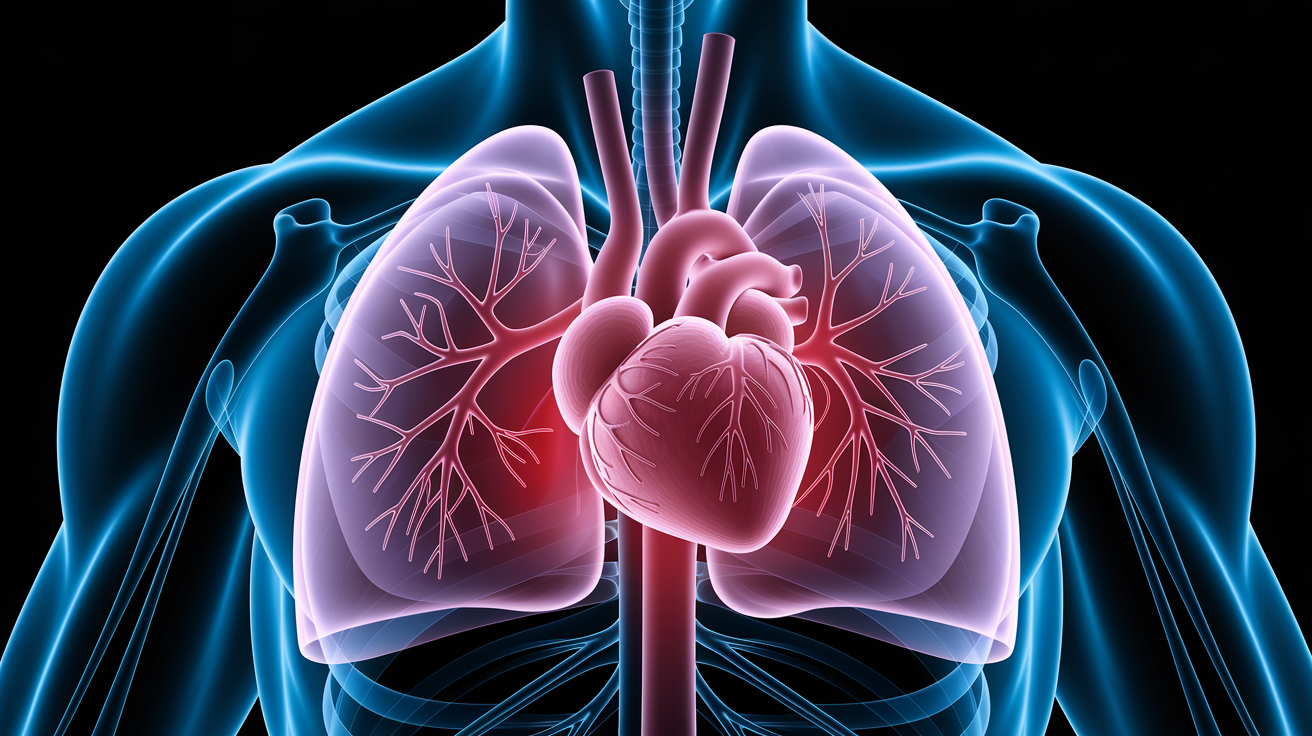
Heart problems cause shortness of breath by cutting down the heart’s ability to pump blood efficiently through the lungs or by letting fluid back up into lung tissue. Heart failure affects about 6.5 million adults in the United States and it’s one of the most common heart causes of dyspnea. When the heart can’t pump strongly enough, blood flow slows and pressure builds in the veins that drain the lungs. Fluid leaks into the air sacs, a condition called pulmonary edema, and breathing becomes difficult. Heart failure symptoms often get worse when you’re lying flat because gravity no longer helps drain fluid away from the lungs.
Arrhythmias are abnormal heart rhythms that can produce episodes of rapid heartbeat, or tachycardia, along with breathlessness. Atrial fibrillation is a common example. During an episode, your heart rate can climb above 120 or 150 beats per minute, reducing the time the heart has to fill with blood between beats. Less blood reaches the lungs and body, and you feel short of breath, lightheaded, or fatigued. Cardiomyopathy is a disease of the heart muscle itself. The muscle may become thickened, stiffened, or enlarged, limiting the heart’s ability to fill or pump. Over time, this leads to heart failure symptoms including fatigue and shortness of breath.
Heart attacks occur about every 40 seconds in the United States. Sudden shortness of breath combined with chest pain, dizziness, nausea, or sweating is a medical emergency that needs immediate attention. Even if chest pain is mild or absent, unexplained shortness of breath with other warning signs should prompt a call to emergency services.
Cardiac red flag combinations that require immediate care:
- Sudden shortness of breath with chest pain or pressure
- Breathlessness accompanied by dizziness, fainting, or near fainting
- High heart rate (above 120 at rest) with chest heaviness or palpitations
- Shortness of breath combined with nausea, sweating, or jaw/arm pain
- Breathlessness that appears suddenly and doesn’t improve with rest
Anxiety, Panic, and Stress-Linked Breathing Difficulty

Anxiety is a common and often overlooked cause of shortness of breath. When you feel anxious, your breathing pattern can change without you even noticing. You may start taking faster, shallower breaths or occasionally hold your breath. This shifts the balance of oxygen and carbon dioxide in your bloodstream and creates the sensation that you’re not getting enough air, even though your lungs and heart are working fine.
Panic attacks take this further. During a panic attack, breathing becomes rapid and shallow (hyperventilation), which lowers carbon dioxide levels and can cause dizziness, tingling in the hands or lips, chest tightness, and an overwhelming sense of danger. The physical sensations are real and frightening, which feeds more panic. Anxiety related breathlessness often improves when you slow your breathing on purpose or remove yourself from the triggering situation. If shortness of breath goes away quickly with calming techniques and doesn’t come back during rest or sleep, anxiety is probably playing a role.
Simple grounding and breathing strategies that may help during anxious breathlessness:
- Slow, controlled breathing: inhale for four counts, hold for two, exhale for six counts
- Box breathing: inhale for four, hold for four, exhale for four, hold for four, repeat
- Focus on extending your exhale longer than your inhale to activate calming signals
- Step outside or move to a quieter space to reduce sensory overload
Dangerous Signs Shortness of Breath Can Indicate (When to Seek Emergency Care)
Certain combinations of symptoms tell you that shortness of breath is part of a serious or life threatening problem. Sudden, severe breathlessness that comes on within minutes is a red flag, especially if it happens while you’re at rest or doing very little. Rapidly worsening symptoms over a few hours, like breathing that becomes harder despite resting, also need urgent evaluation.
If your heart rate climbs and stays high while you feel short of breath, and you also notice chest heaviness, pressure, or palpitations (a sensation that your heart is pounding, fluttering, or skipping beats), those signs suggest a heart event or dangerous arrhythmia. Dizziness, lightheadedness, or a sinking sensation that feels like you might faint means your brain isn’t getting enough oxygen. Chest pain of any kind, whether sharp, dull, squeezing, or burning, combined with breathlessness requires immediate medical attention.
Symptoms that demand emergency evaluation (call 911 or go to an emergency department):
- Sudden onset of severe shortness of breath at rest
- Shortness of breath that doesn’t improve after a few minutes of rest
- Chest pain, pressure, or tightness along with breathing difficulty
- Coughing up blood or pink, frothy mucus
- Blue or gray color in the lips, fingernails, or skin (cyanosis)
- Fainting, near fainting, or severe dizziness
- Confusion, memory loss, or inability to speak clearly while short of breath
Evaluating Shortness of Breath: Tests, Measurements, and What They Indicate
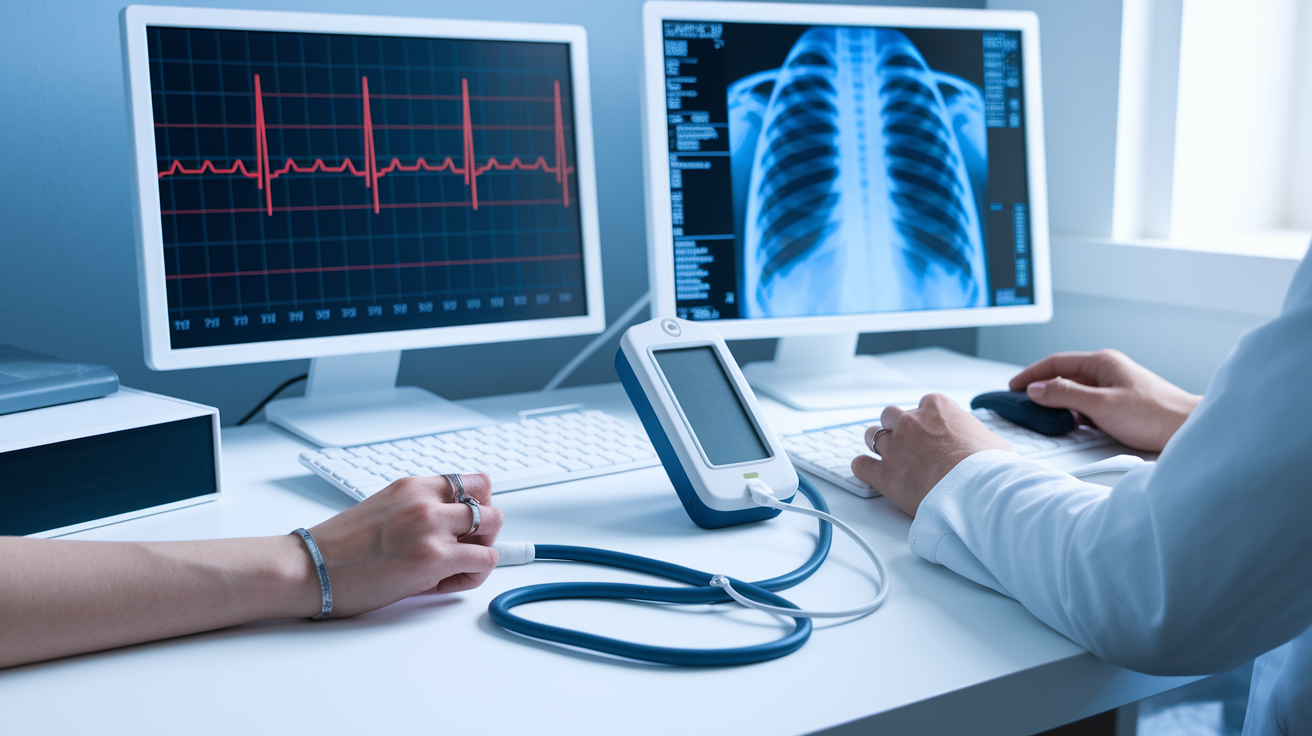
Clinicians use a combination of measurements, imaging, and function tests to figure out why you’re short of breath. Pulse oximetry is a quick, noninvasive test that clips onto your fingertip and measures oxygen saturation in your blood. Normal oxygen saturation is 95% or higher at sea level. Readings below 90% mean hypoxemia (low blood oxygen) and suggest a lung or heart problem that’s getting in the way of oxygen delivery. Arterial blood gas (ABG) testing draws blood from an artery to measure oxygen, carbon dioxide, and pH levels. It helps identify whether you’re retaining too much carbon dioxide (hypercapnia), which can happen in severe COPD or respiratory failure. Elevated carbon dioxide can cause confusion, drowsiness, and headache.
Imaging and cardiac tests provide structural information. A chest X-ray can show pneumonia, fluid in the lungs (pulmonary edema), collapsed lung (pneumothorax), or enlarged heart. CT pulmonary angiography is the gold standard for diagnosing pulmonary embolism, a blood clot in the lung arteries that blocks blood flow and causes sudden shortness of breath, chest pain, and sometimes coughing up blood. An electrocardiogram (ECG or EKG) records the heart’s electrical activity and can spot arrhythmias, signs of a heart attack, or strain on the heart from lung disease. An echocardiogram uses ultrasound to visualize the heart’s structure and pumping function, helping diagnose heart failure, valve problems, or cardiomyopathy.
Spirometry is a lung function test that measures how much air you can inhale, how much you can exhale, and how quickly you can push air out. It’s the primary tool for diagnosing asthma and COPD. A ventilation perfusion (V/Q) scan compares airflow and blood flow in the lungs and can help diagnose pulmonary embolism or other mismatches. Blood tests like a complete blood count (CBC) check hemoglobin levels. Low hemoglobin (anemia) cuts down the blood’s oxygen carrying capacity and can cause shortness of breath even when the lungs and heart are healthy.
| Test | What It Helps Identify |
|---|---|
| Pulse oximetry | Low blood oxygen (hypoxemia); useful for quick screening at home or in the clinic |
| Arterial blood gas (ABG) | Precise oxygen and CO₂ levels; detects hypercapnia and acid-base imbalances |
| Chest X-ray | Pneumonia, pulmonary edema, pneumothorax, heart enlargement, lung masses |
| CT pulmonary angiography | Pulmonary embolism (blood clots in lung arteries) |
| Electrocardiogram (ECG) | Arrhythmias, heart attack, right heart strain from lung disease |
| Echocardiogram | Heart failure, valve disease, cardiomyopathy, pulmonary hypertension |
| Spirometry | Asthma, COPD, restrictive lung disease; measures airflow and lung volumes |
| Complete blood count (CBC) | Anemia (low hemoglobin reducing oxygen delivery); infection markers |
What Ongoing Management of Breathlessness May Indicate About Your Condition
The type of treatment your clinician recommends tells you a lot about what’s causing your shortness of breath. Airway focused treatments like inhalers and nebulizers deliver bronchodilators or corticosteroids directly to the lungs. If your symptoms improve quickly after using an inhaler, it suggests reversible airway constriction, which is typical of asthma. Corticosteroids reduce inflammation in the airways and are used for both asthma exacerbations and COPD flares. Long term inhaled steroids help prevent symptoms and reduce how often attacks happen. If your clinician prescribes daily controller inhalers, it means your condition is chronic and needs ongoing management to keep airways open and reduce inflammation.
Oxygen therapy and pulmonary rehabilitation are used for more advanced lung and heart disease. Supplemental oxygen at home tells you that your lungs or heart can’t maintain normal oxygen levels on their own. This is common in severe COPD, interstitial lung disease, and heart failure. Pulmonary rehabilitation is a structured program that combines exercise training, breathing techniques, and education to improve your stamina and reduce breathlessness during daily activities. Participation in pulmonary rehab suggests a chronic breathing or heart condition that will benefit from improved conditioning and self management skills.
Lifestyle changes and prevention strategies are part of almost every treatment plan for chronic breathlessness. Quitting smoking is the single most effective thing you can do to slow the progression of COPD and reduce the risk of heart disease and lung cancer. If your clinician brings up smoking cessation over and over, it reflects the central role smoking plays in your condition. Weight loss can significantly cut down shortness of breath in people with obesity by decreasing the strain on the heart and lungs. Exercise conditioning, even light walking programs, reduces how easily you become winded by improving heart and breathing efficiency. Earlier diagnosis generally allows for simpler treatment and better long term control of symptoms.
Self care measures appropriate only for mild, isolated episodes:
- Steam inhalation or a hot shower to loosen mucus if you have congestion and cough
- Over the counter decongestants for sinus related breathing difficulty (check with a clinician if you have high blood pressure or heart disease)
- Using a prescribed rescue inhaler if you have known asthma and develop wheezing
- Resting in a comfortable position and practicing slow, controlled breathing if anxiety is a known trigger and symptoms are mild
Final Words
If breath feels tight, hard to catch, or like your inhale is shorter than your exhale, that’s dyspnea — not the same as shallow breathing.
This post walked through acute vs chronic patterns, lung causes (asthma, COPD, pneumonia, interstitial lung disease), heart causes (heart failure, arrhythmia, heart attack), anxiety and panic, danger signs, key tests, and common treatments and self‑care steps.
Think pattern + severity + simple tests to decide next steps. If you’re asking what does shortness of breath indicate, use those clues and seek care for red flags — many causes are treatable and earlier care helps.
FAQ
Q: What are the top 3 causes of shortness of breath?
A: The top 3 causes of shortness of breath are heart-related problems (like heart failure or heart attack), lung conditions (asthma, COPD), and anxiety or panic attacks.
Q: What are the red flags for shortness of breath?
A: The red flags for shortness of breath include sudden severe onset, chest pain, fainting or dizziness, coughing blood, blue lips or nails, rapid worsening, or trouble speaking—seek emergency care.
Q: How do you know if your shortness of breath is heart-related?
A: Shortness of breath is likely heart-related when it comes with chest pressure, leg swelling, sudden exertional breathlessness, fast or irregular heartbeat, or fluid sounds in the lungs on exam.
Q: How do you know if your shortness of breath is serious?
A: Shortness of breath is serious if it starts suddenly, worsens quickly, prevents talking, causes fainting, occurs with chest pain or bleeding, or shows low oxygen on a pulse oximeter.