
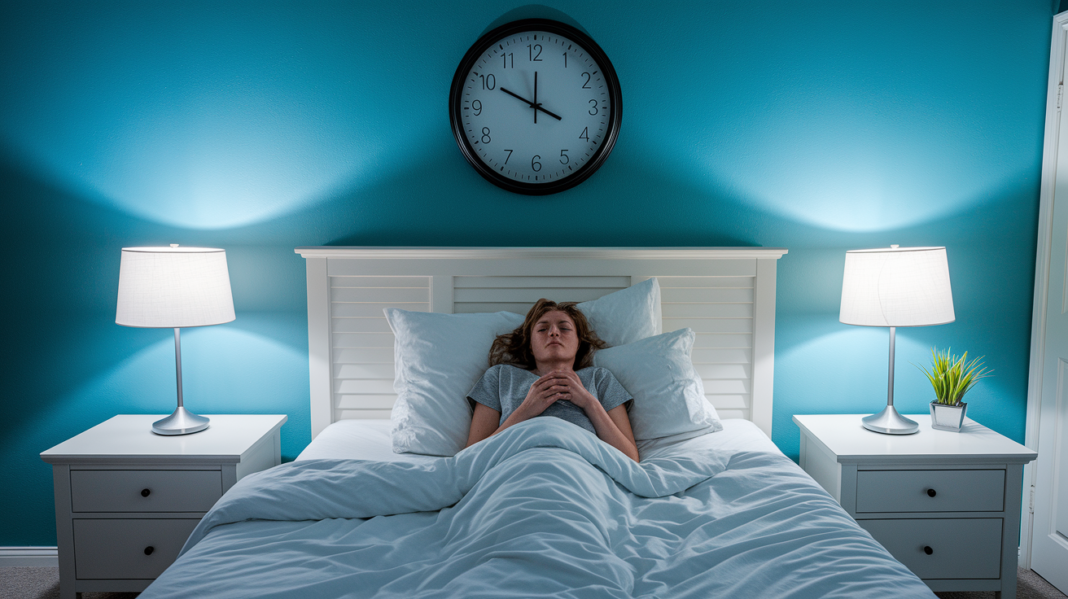

Waking up at 3AM isn’t a spiritual sign or a weird quirk.
It’s a common pattern rooted in your sleep biology.
You’re not alone: about one in three people wake at night, and 3AM is a fragile window when melatonin (the sleep hormone) peaks and cortisol (the wake hormone) starts to climb.
This post breaks down the main reasons: stress, late food or drink, circadian drift, medical issues, and sleep-stage changes, so you can spot what’s most likely happening to you and try a few simple fixes tonight.
Core Reasons Behind Consistently Waking at 3 a.m.
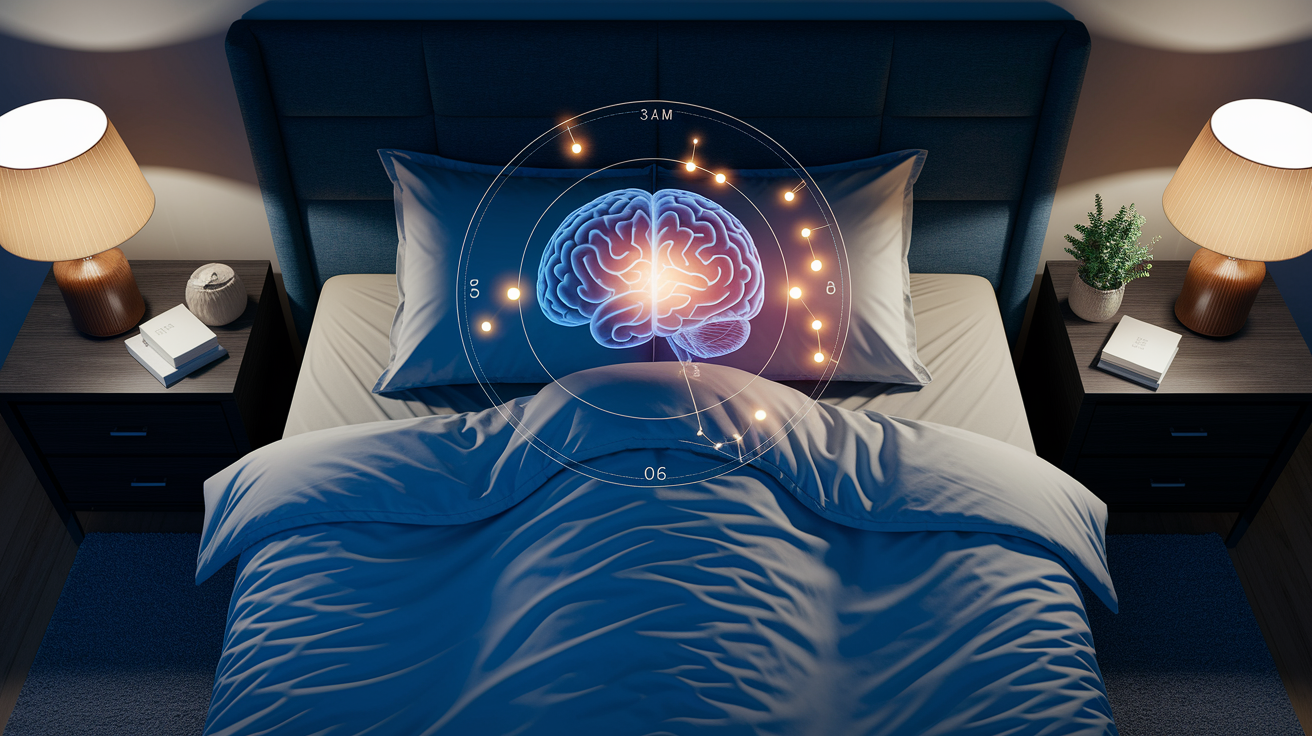
Waking up at 3 a.m. is more common than most people think. About one in three people report middle of the night awakenings at least three times a week, so this pattern is frustrating and surprisingly normal at the same time. The hour itself matters biologically. Melatonin, the hormone that supports sleep, peaks around 3 a.m., while cortisol, which helps you wake and respond to stress, starts climbing roughly 2 to 3 hours after you fall asleep. This convergence creates a narrow window where your brain becomes more alert, increasing the chance you’ll surface into full consciousness.
Sleep architecture plays a role too. A typical sleep cycle lasts 90 to 120 minutes, and as the night goes on your brain spends more time in lighter sleep stages, especially REM sleep, which gets longer and less stable toward morning. By the time 3 a.m. rolls around, you’re more likely to be in a stage that’s easier to interrupt. Any minor disturbance (a sound, a shift in body temperature, a full bladder) can pull you awake during these lighter phases.
Repeated 3 a.m. wake ups usually trace back to one or more of several common drivers. Stress and hyperarousal keep your nervous system on alert. Environmental disruptions like noise or light don’t help. Poor timing of food or fluids matters. Medical issues such as nocturia or acid reflux can be the culprit. And age related changes reduce deep sleep. Understanding which of these applies to you is the first step toward sleeping through the night again.
Top triggers for consistent 3 a.m. awakenings:
- Stress reactivity – Your sympathetic nervous system stays switched on, making your brain more prone to full awakenings during lighter sleep stages.
- Nocturia – The urge to urinate can be driven by late fluid intake, bladder changes, or underlying conditions like diabetes or sleep apnea.
- Environmental noise and light – Even dim nightlights or outdoor streetlights can cue your brain to wake. Noise works the same way.
- Late meals or evening alcohol – Eating within about three hours of bedtime or drinking alcohol can fragment sleep and increase awakenings.
- Medical conditions – Pain, acid reflux, obstructive sleep apnea, and hormone changes (menopause, thyroid issues) all raise the likelihood of middle of night waking.
Circadian Misalignment and Why It Triggers 3 a.m. Wake Ups

Your internal clock, or circadian rhythm, runs on a roughly 24 hour cycle that regulates when you feel sleepy and when you feel alert. When your daily habits drift out of sync with this rhythm (through irregular bedtimes, shift work, evening screen use, or late meals) your sleep can fracture at predictable times. Social jet lag is a common example. Staying up much later on weekends and then trying to sleep earlier on work nights creates recurring misalignment between your biological clock and your schedule. Over time, this mismatch can train your brain to wake at a consistent hour, often in the early morning window around 3 a.m.
Circadian misalignment doesn’t just affect when you fall asleep. It also determines when your sleep is most fragile. If evening light exposure or a late dinner shifts your internal clock forward, you might fall asleep easily but then hit a wake window a few hours later when your system isn’t expecting deep sleep anymore. Behavioral drift (small changes in meal timing, inconsistent morning wake times, or reduced daytime light exposure) can gradually shift your circadian phase without you noticing, making 3 a.m. awakenings feel mysterious even though the pattern has a clear behavioral root.
Aging and Circadian Drift
As people age, the circadian system tends to advance. The internal clock shifts earlier. Older adults often feel sleepy earlier in the evening and wake earlier in the morning, but they also experience more fragmented sleep overall. Deep sleep decreases with age, and the circadian signal that keeps you asleep through the night becomes weaker. This combination increases the likelihood you’ll wake multiple times (commonly three to four times per night) and that those awakenings will happen earlier in the sleep period, including around 3 a.m.
Stress, Anxiety, and Emotional Hyperarousal as Drivers of 3 a.m. Night Waking

Stress doesn’t stop working when you fall asleep. High stress activates your sympathetic nervous system, increasing heart rate and blood pressure and keeping your brain in a state of readiness to respond. This state of hyperarousal makes it harder to stay asleep through lighter sleep stages, and it’s one reason why people with high “sleep reactivity” (a tendency to sleep poorly under stress) wake more frequently during the night. Anxiety disorders and PTSD are strongly linked to nocturnal awakenings, often because the brain remains vigilant even during sleep, scanning for threat and reacting to internal signals that wouldn’t normally wake someone in a calmer state.
Depression also plays a role, though the pattern can look different. Early morning awakening (waking around 3 or 4 a.m. and struggling to fall back asleep) is a hallmark symptom of depression. The issue isn’t just lighter sleep. It’s that the combination of mood disturbance and circadian changes makes it difficult for the brain to re enter sleep once it surfaces. Rumination, or repetitive negative thoughts, often intensifies during middle of night waking, creating a feedback loop. You wake, your mind starts racing, and the mental activity itself prevents you from settling back down.
Common emotional and cognitive triggers:
- Rumination – Repetitive worry or replaying stressful events keeps your mind active and your nervous system engaged.
- Clock watching – Looking at the time can spike cortisol and reinforce the belief that you “can’t” sleep, increasing anxiety.
- Anticipatory anxiety – Worrying about whether you’ll wake up again can itself become a cause of waking.
- Hypervigilance – An overactive threat detection system (common in trauma histories) keeps the brain alert even during sleep.
Medical Conditions That Commonly Cause Nightly 3 a.m. Awakenings

Several health conditions directly disrupt sleep in the middle of the night, and recognizing them can point you toward the right treatment. Nocturia (the need to urinate during the night) is one of the most frequent culprits. It can result from drinking large volumes of fluid before bed, but it’s also linked to diabetes, an overactive bladder, and obstructive sleep apnea. People with OSA sometimes wake gasping or choking, then interpret the arousal as a need to visit the bathroom, masking the real problem. If you’re waking to urinate and also snore loudly or have witnessed pauses in breathing, a sleep study may be warranted.
Pain is another powerful disruptor. Research shows that people with chronic pain are roughly four times more likely to have trouble falling back asleep after a nighttime awakening. Conditions like arthritis, neuropathy, or back pain can flare when you shift position or when inflammation peaks overnight. Acid reflux, or GERD, often worsens when you lie flat, causing heartburn or a burning sensation in the chest or throat that can wake you abruptly. Airway diseases like asthma and COPD also tend to worsen at night, leading to coughing, shortness of breath, or chest tightness that interrupts sleep.
Neurological and endocrine disorders add another layer. Dementia, Alzheimer’s disease, and Parkinson’s all increase nighttime awakenings and make it harder to return to sleep. Thyroid dysfunction (especially hyperthyroidism), vitamin D deficiency, and poorly controlled diabetes can fragment sleep as well. Some medications (corticosteroids, diuretics, and even over the counter cold remedies) are known to cause middle of night waking as a side effect.
| Condition | How It Disrupts Sleep |
|---|---|
| Obstructive Sleep Apnea | Breathing pauses trigger brief awakenings. Some people mistake these for needing to urinate. |
| Gastroesophageal Reflux Disease (GERD) | Stomach acid flows back into the esophagus when lying flat, causing heartburn or chest discomfort. |
| Chronic Pain (arthritis, neuropathy) | Pain intensity can increase at night. Position changes or inflammation spikes wake you. |
| Hyperthyroidism | Excess thyroid hormone increases metabolism and nervous system activity, making sleep lighter and more fragmented. |
Lifestyle Patterns That Trigger 3 a.m. Wake Ups

The choices you make during the day and evening have a direct impact on whether you stay asleep at 3 a.m. Eating within about three hours of bedtime is one of the most common behavioral contributors. Late meals, especially those that are spicy or heavy, can cause indigestion, raise body temperature, and increase the likelihood of nighttime awakening. Your digestive system is less efficient at night, and lying down with a full stomach often worsens reflux and discomfort.
Caffeine and alcohol are also frequent offenders. Caffeine consumed even in the late afternoon can linger in your system long enough to reduce deep sleep and increase the number of times you wake during the night. Alcohol might help you fall asleep faster, but it fragments sleep later in the night and suppresses REM sleep, the stage crucial for emotional processing and memory. Stopping alcohol intake at least four hours before bedtime can reduce middle of night disruption. Screen time before bed suppresses melatonin production because of blue light exposure, and the cognitive stimulation from scrolling or watching videos keeps your mind engaged when it should be winding down.
Top habit based causes of 3 a.m. waking:
- Eating too close to bedtime – Aim to finish meals about three hours before you plan to sleep. Avoid spicy or heavy foods in the evening.
- Caffeine after lunch – Caffeine has a half life of about 5 to 6 hours, meaning late afternoon coffee can still disrupt your sleep later.
- Alcohol in the evening – Even moderate drinking within a few hours of bed increases nighttime awakenings and reduces REM sleep.
- Screen use before bed – Turn off phones, tablets, and computers at least 30 to 60 minutes before lights out to allow melatonin to rise naturally.
- Inconsistent sleep schedules – Going to bed and waking at different times each day weakens your circadian rhythm and increases fragmentation.
Hormones, Blood Sugar, and the 3 a.m. Wake Pattern
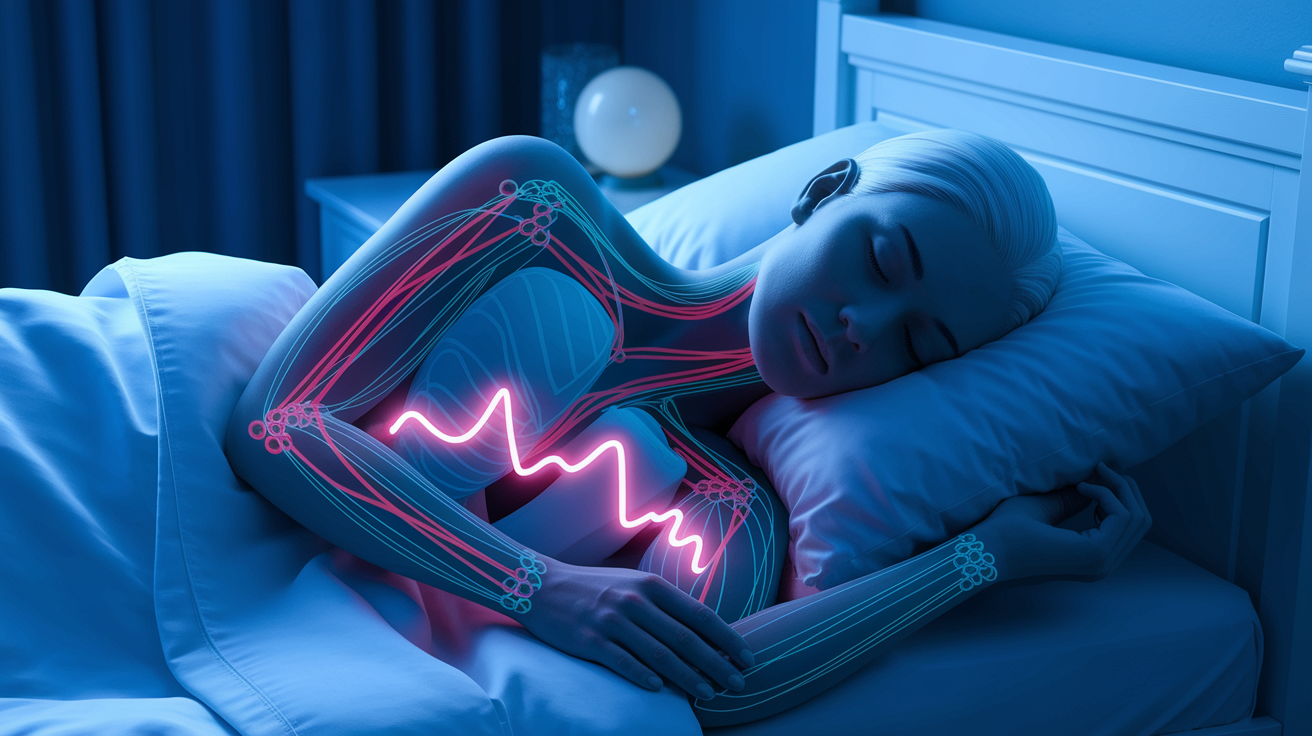
Blood sugar fluctuations can pull you out of sleep in the middle of the night, whether your glucose drops too low (hypoglycemia) or climbs too high (hyperglycemia). Nocturnal hypoglycemia is more common in people with diabetes who take insulin or certain medications, but it can also occur in people who skip meals or eat very low carbohydrate diets. Symptoms include sweating, shakiness, rapid heartbeat, and sudden waking, often around the same time each night. On the other hand, high blood sugar can increase the need to urinate and cause dehydration, both of which disrupt sleep.
If you suspect blood sugar is involved, a small stabilizing snack before bed (such as a handful of nuts, nut butter, or a piece of cheese) can help smooth glucose levels overnight. People with diabetes or a family history of the condition should discuss pre bed snack strategies with a doctor or dietitian to avoid unintended spikes or drops. Hormonal shifts unrelated to blood sugar can also trigger 3 a.m. waking. Menopausal hot flashes and night sweats are classic examples, as are the cortisol surges that accompany chronic stress. Thyroid imbalances and fluctuations in reproductive hormones can all make sleep lighter and more prone to interruption.
Environmental Sleep Disruptors That Lead to Awakenings at 3 a.m.
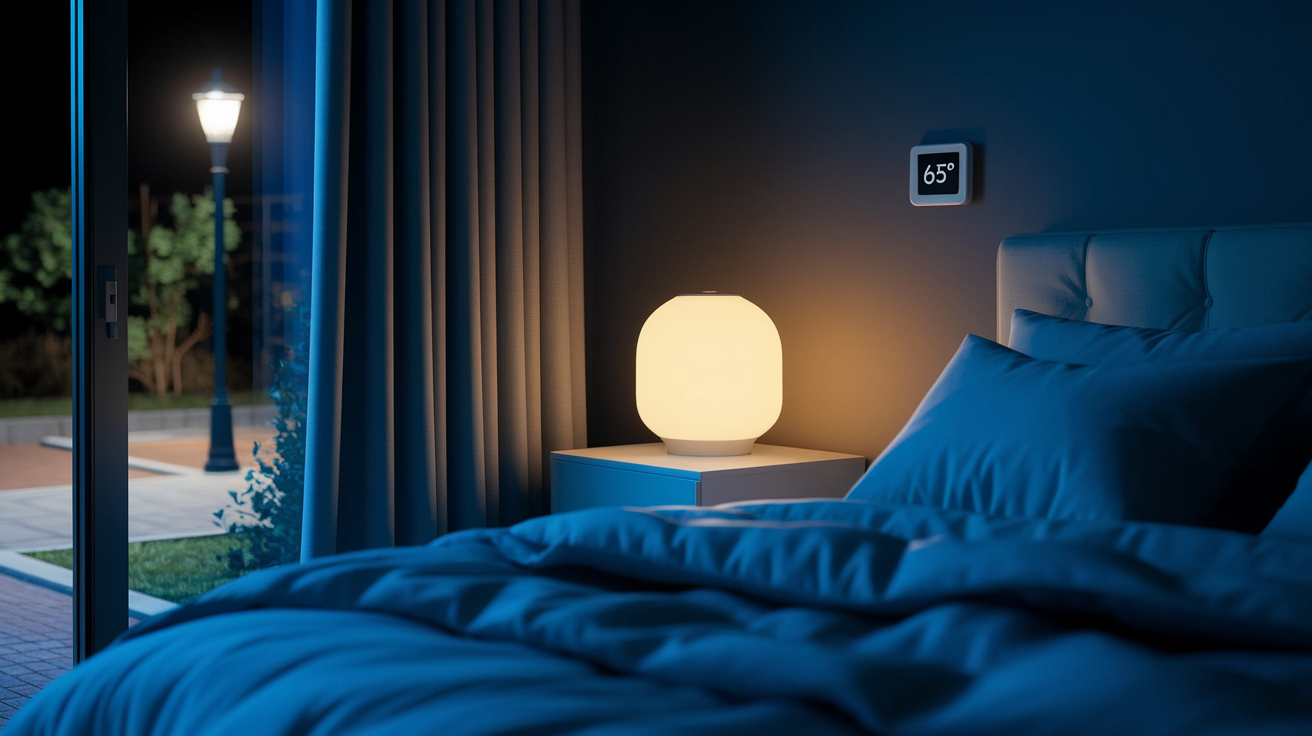
Your bedroom environment has more influence over nighttime waking than most people realize. Even dim light (from a nightlight, a streetlamp outside, or the glow of electronics) can signal your brain that it’s not fully dark, weakening the melatonin signal that keeps you asleep. Noise works similarly. Sounds you might not consciously notice during the day can trigger awakenings during lighter sleep stages. Some research suggests that certain frequencies, like pink noise, may interfere with REM sleep quality, though findings are still evolving.
Temperature extremes also disrupt sleep. A bedroom that’s too warm can prevent your core body temperature from dropping, a change that normally supports deeper sleep. Uncomfortable bedding, an old mattress, or a pillow that doesn’t support your neck properly can all increase the number of times you shift position and wake during the night.
Key environmental fixes:
- Make the room as dark as possible – Use blackout curtains or a sleep mask if streetlights or early sunrise are an issue.
- Reduce noise – Consider earplugs or a white noise machine if you live in a noisy area or share a bed with a snorer.
- Keep the bedroom cool – Aim for a temperature around 65 to 68°F (18 to 20°C) to support natural body temperature drop.
- Check your mattress and pillows – Replace worn bedding that no longer provides comfort and support.
Practical Strategies to Stop Waking at 3 a.m.

Once you understand what’s driving your 3 a.m. wake ups, you can build a set of targeted strategies that address the root causes. The goal is to strengthen your sleep system (circadian rhythm, nervous system regulation, and sleep environment) so that minor disruptions don’t pull you into full wakefulness. The following approaches are specific, evidence based, and designed to fit into real life.
Calming the Nervous System
If stress or hyperarousal is keeping you awake, learning to downshift your nervous system at night can make a significant difference. Box breathing is a simple, effective technique. Inhale fully through your nose, hold for 3 to 4 seconds, exhale slowly, hold again for 3 to 4 seconds, and repeat the cycle 3 to 5 times. This pattern activates the parasympathetic (rest and digest) branch of your nervous system and slows your heart rate. Another option is bilateral stimulation, a technique borrowed from EMDR therapy. Cross your arms over your chest and tap your left and right shoulders or upper arms quickly and firmly for 20 to 30 seconds, pause to breathe, then repeat several times. This rhythm can help quiet racing thoughts and reduce the cortisol spike that often follows middle of night waking.
Smart Evening Timing Habits
What you do in the hours before bed sets the stage for how well you sleep. Avoid eating within about three hours of your planned bedtime to give your digestive system time to settle. If you drink alcohol, stop at least four hours before lights out to reduce fragmentation later in the night. Limit caffeine after lunchtime. Remember, caffeine has a half life of 5 to 6 hours, so a 2 p.m. coffee can still be active at 8 p.m. Cut back on evening fluid intake if nocturia is a problem, and avoid diuretic beverages like caffeinated tea or alcohol close to bedtime. Establish a pre bed wind down routine that includes calming activities: reading a physical book, light stretching, or a few minutes of meditation. Turn off screens at least 30 to 60 minutes before you plan to sleep to allow melatonin to rise naturally.
Strengthening Circadian Stability
A consistent sleep schedule (going to bed and waking up at the same time every day, even on weekends) reinforces your internal clock and reduces the likelihood of middle of night awakenings. Pair that consistency with bright light exposure early in the day. Sunlight, or a bright lamp if sunlight isn’t available, during the first hour after waking strengthens the circadian signal that tells your brain when to be alert and when to sleep. Regular daytime exercise also supports better sleep, but try to finish vigorous workouts earlier in the day. Exercising too close to bedtime can raise core body temperature and delay sleep onset. If you nap, keep it short (20 to 30 minutes) and finish by early afternoon to avoid interfering with nighttime sleep.
When Waking at 3 a.m. Means You Should See a Professional

Occasional nighttime awakenings are normal, but persistent, long lasting wake periods that impair your daytime function may signal a sleep disorder or underlying medical condition that needs professional evaluation. The threshold to watch for: waking in the middle of the night for 30 minutes or more, three or more nights per week, for three or more months, with noticeable effects on your memory, mood, or ability to function during the day. That pattern meets the diagnostic criteria for chronic insomnia, and cognitive behavioral therapy for insomnia (CBT-I) has strong evidence as a first line treatment.
If you snore loudly, wake gasping or choking, or have been told you stop breathing during sleep, a sleep study (polysomnography) can diagnose obstructive sleep apnea. Treating OSA (often with continuous positive airway pressure, or CPAP, or an oral appliance) can eliminate middle of night awakenings and reduce associated health risks like high blood pressure and cardiovascular disease. Addressing underlying medical conditions (GERD, chronic pain, nocturia, thyroid dysfunction) with your primary care provider or a specialist can also reduce nighttime disruption.
Red flags that warrant professional evaluation:
- Frequent, prolonged awakenings – Waking for 30 minutes or longer multiple nights per week, especially if it affects your ability to work, drive safely, or manage daily tasks.
- Signs of sleep apnea – Loud snoring, gasping, choking, or witnessed pauses in breathing during sleep.
- Excessive daytime sleepiness – Falling asleep during meetings, while driving, or in other situations where you should be alert, despite spending adequate time in bed.
Final Words
We covered common reasons people wake at 3 a.m.: the melatonin peak and cortisol rise, lighter sleep later in the night, circadian shifts, stress, medical issues, habits, and noisy or too-warm rooms.
Try one small change this week: set a steady wake time, move caffeine earlier, skip big late meals, darken and cool the bedroom, and do a two-minute breathing exercise when you wake.
If your question is “why do I wake up at 3am every night”, try that change for 7 to 14 days and track sleep. Many improve with small, consistent steps. Stay hopeful.
FAQ
Q: What does it mean if you keep waking up at 3am?
A: Waking up at 3am often means your biology, stress, or environment is interrupting lighter sleep, cortisol rise, melatonin timing, circadian drift, late meals, noise, or medical issues like nocturia or apnea.
Q: What hormone wakes you up at 3am?
A: Cortisol, the stress hormone, commonly wakes you around 3am because it starts rising a few hours into sleep, and melatonin also peaks then, which can make sleep more fragile.
Q: What is the myth about waking up at 3am?
A: The myth says waking at 3am is a supernatural or “witching” hour sign, the reality is it’s usually normal biology or modifiable causes, like stress, hormones, habits, or health issues.
Q: How can I stop waking up at 3am every night?
A: To stop waking at 3am, try a consistent sleep schedule, cut late caffeine and alcohol, avoid heavy meals or fluids before bed, dim evening light, use calming breathing, and see a clinician if it persists.