


What if emotional resilience isn’t something you’re born with, but a daily skill you can grow in minutes?
It’s the ability to stay steady under stress, to feel hard emotions and bounce back faster so small setbacks don’t derail your day.
This post shows short practices you can use right now and repeat easily: breathing, naming feelings, quick grounding, and one-sentence journaling.
Learn what matters, why these moves help, and a simple plan to build resilience into daily life.
Core Understanding of Emotional Resilience

Emotional resilience is your ability to adapt when stress hits, manage difficult emotions, and bounce back from setbacks without losing your footing. It’s not about avoiding hard moments or pretending you’re fine when you’re not. It’s about staying steady when life gets messy. When you’re emotionally resilient, you can feel fear, sadness, or frustration without getting buried by those feelings.
Resilience shapes how you handle daily stressors, relationship tension, work pressure, and the unexpected stuff that throws you off course. People with stronger emotional resilience make clearer calls under stress, keep healthier relationships, and deal with less anxiety and depression overall. Without it, small disruptions feel massive. Feedback feels like rejection. Recovery takes way longer than it should.
Building resilience starts with simple, repeatable actions. One quick technique is grounding. When you’re overwhelmed, name five things you can see, four you can touch, three you can hear, two you can smell, and one you can taste. Another is box breathing: breathe in for four counts, hold for four, breathe out for four, hold for four. These small moves interrupt stress cycles and bring you back to the present.
Here are four techniques you can use right now:
Name the emotion precisely. Instead of “I’m stressed,” try “I’m anxious about tomorrow’s meeting because I’m worried I’ll forget something.”
Take a five breath pause. Before replying to a tense message or reacting in the moment, stop and breathe deeply five times.
Use a physical reset. Splash cold water on your face, step outside for 60 seconds, or roll your shoulders back to stop a spiraling thought.
Write one sentence. When emotions feel huge, write down exactly what you’re feeling and why. One sentence creates enough distance to think more clearly.
Assessing Your Current Level of Resilience
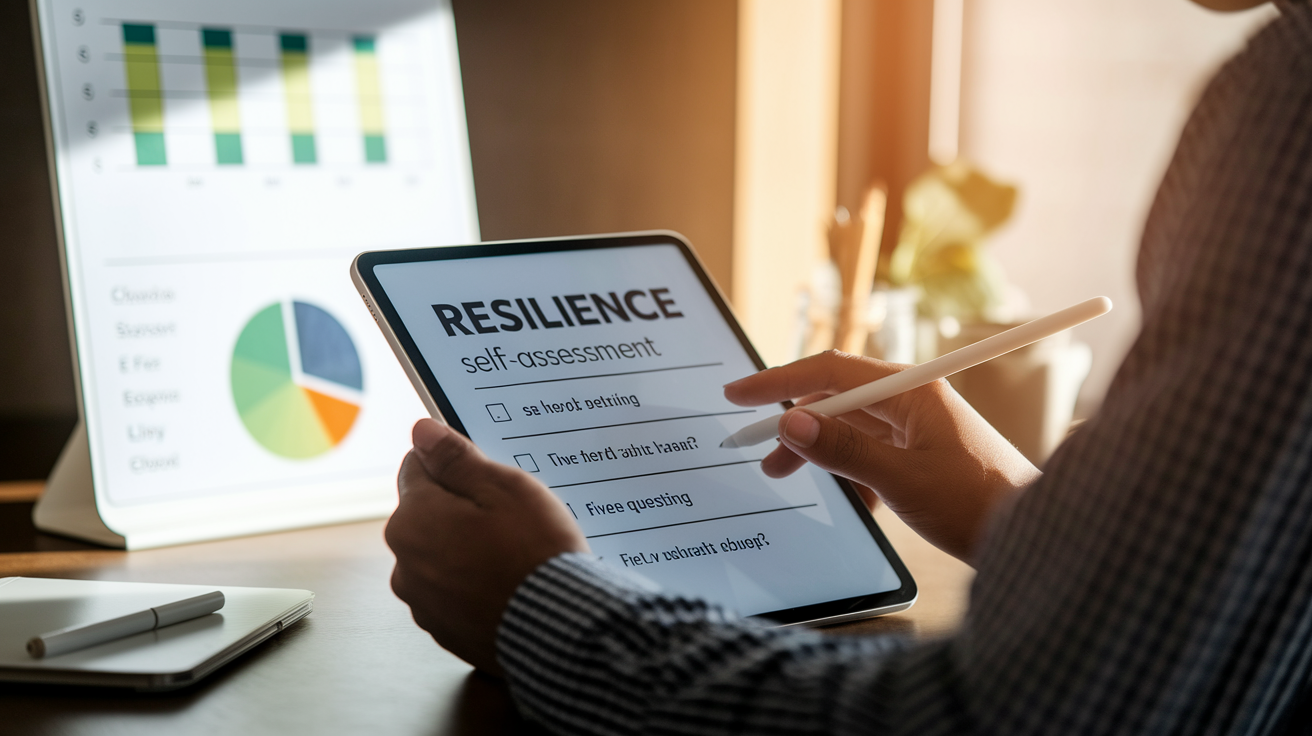
Most resilience assessments measure how well you regulate emotions, adapt to change, solve problems under pressure, stay optimistic, and use healthy coping strategies. Tools like the Brief Resilience Scale look at how quickly you bounce back after stress. Not whether stress affects you, but how long it takes to get back to baseline. Knowing your current resilience level helps you focus on the areas that need the most work.
Self assessment isn’t about deciding if you’re “resilient” or “not resilient.” It’s about spotting patterns. Do you shut down when overwhelmed? Do you spiral over small triggers? Do you avoid hard conversations because you’re afraid of losing control? Honest answers guide where to focus your daily practice and what tools will actually help.
Here are five questions to check your resilience right now:
-
After a tough day, how long does it take you to feel like yourself again? Hours? Days? Weeks? The shorter the recovery window, the stronger your baseline.
-
Can you name your emotions accurately in the moment? If you can say “I’m feeling disappointed and a little embarrassed” rather than just “bad” or “fine,” you’re practicing emotional awareness.
-
Do you ask for support when you need it, or do you isolate? Resilient people reach out. Isolation usually deepens stress.
-
When something goes wrong, do you immediately blame yourself, or can you see the situation more objectively? Self blame without context weakens resilience.
-
Are you able to adjust your plans when circumstances change, or does disruption derail you completely? Flexibility under pressure is a core resilience skill.
Cognitive Strategies That Strengthen Resilience

Cognitive reframing is the practice of reinterpreting a stressful situation to reduce emotional distress and increase your sense of control. Instead of “This is a disaster,” reframing helps you ask, “What can I learn from this?” or “What’s one small thing I can do right now?” Research shows that reframing reduces anxiety, improves problem solving, and helps people stay engaged instead of shutting down.
Emotional flexibility is closely related. It’s the ability to shift your perspective when new information comes in. If you hold rigid beliefs about how things “should” go, disruptions feel like failures. Adaptive thinking lets you adjust expectations, see multiple angles, and respond more calmly. For example, if a colleague cancels a meeting, a rigid response is frustration and catastrophizing (“They don’t care, nothing will get done”). An adaptive response is curiosity and adjustment (“Maybe something urgent came up. I’ll use this time for something else and reschedule”).
To apply reframing in daily life, try this three step process. First, notice the automatic thought. What you’re telling yourself about the situation. Second, identify the emotion tied to that thought. Third, ask, “Is there another way to see this that’s just as true but less distressing?” Write down both versions. You’re not forcing positivity. You’re opening space for a more balanced view.
Here are three common reframing techniques:
Catastrophe to probability. Replace “This will ruin everything” with “This is one setback. Most outcomes are still possible.”
Personal attack to neutral fact. Replace “They’re ignoring me on purpose” with “They might be busy or distracted. I don’t have all the information.”
Failure to feedback. Replace “I messed up and I’m terrible at this” with “I made a mistake. What can I do differently next time?”
Mindfulness Practices for Emotional Stability
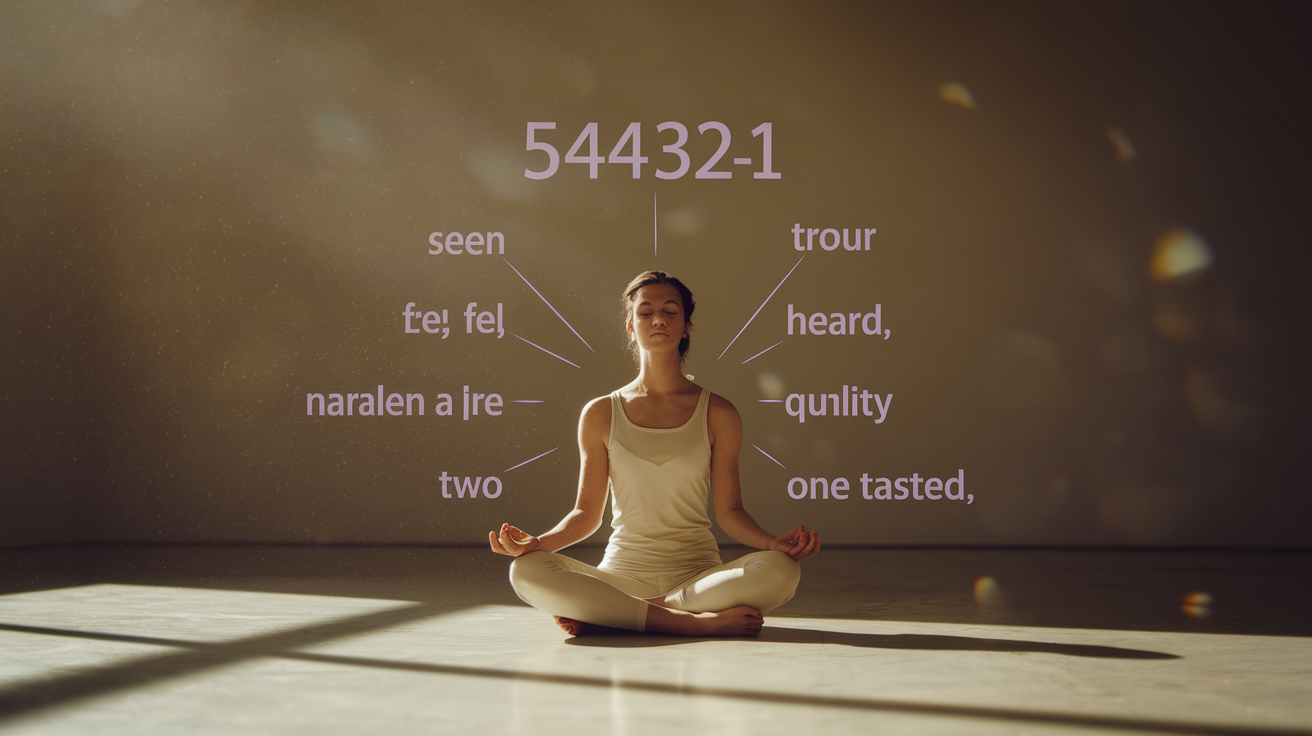
Mindfulness improves emotional resilience by training your brain to stay present instead of spiraling into past regrets or future worries. When you practice mindfulness regularly, you strengthen the neural pathways that regulate emotions, reduce reactivity, and improve focus. It’s not about emptying your mind. It’s about noticing what’s happening without judgment and choosing how to respond.
Grounding techniques are a specific form of mindfulness designed to interrupt stress cycles and bring you back to your body and surroundings. The 5-4-3-2-1 sensory scan is one of the most effective: name five things you see, four you can physically feel, three you hear, two you smell, one you taste. This takes 60 to 90 seconds and works because it redirects attention away from anxious thoughts and back to immediate sensory input. Another grounding practice is body scanning. Slowly notice tension or sensation in each part of your body, starting at your toes and moving up to your head.
Here’s a simple mindfulness exercise you can do in five minutes. Sit comfortably and close your eyes or soften your gaze. Focus on your breath. Notice the sensation of air moving in and out of your nose or the rise and fall of your chest. When your mind wanders (it will), gently bring your attention back to your breath without criticism. Do this for five minutes. If five minutes feels long, start with two. The goal isn’t perfect focus. The goal is practicing the return.
Building and Strengthening Support Networks

Strong social connections act as a buffer against stress and significantly increase emotional resilience. When you have people you trust, you’re more likely to process difficult emotions, gain perspective, and solve problems collaboratively. Social support doesn’t just make hard times easier. It also provides emotional validation, which helps you trust your own feelings and reactions.
To strengthen or expand your support network, start with small, consistent actions. Reach out to one person each week. Text a friend, schedule a coffee, or join a group that aligns with your interests. Prioritize relationships where you can be honest, not just “fine.” If you tend to isolate when stressed, make a plan ahead of time: write down two people you’ll contact when things get hard, and commit to reaching out even when it feels difficult.
Here are three types of support that build resilience:
Emotional support. People who listen without fixing, validate your feelings, and remind you that you’re not alone.
Practical support. People who help with tasks, problem solve with you, or offer concrete assistance during stressful times.
Accountability support. People who check in on your goals, celebrate small wins, and gently encourage follow through when motivation dips.
Daily Exercises That Build Resilient Habits
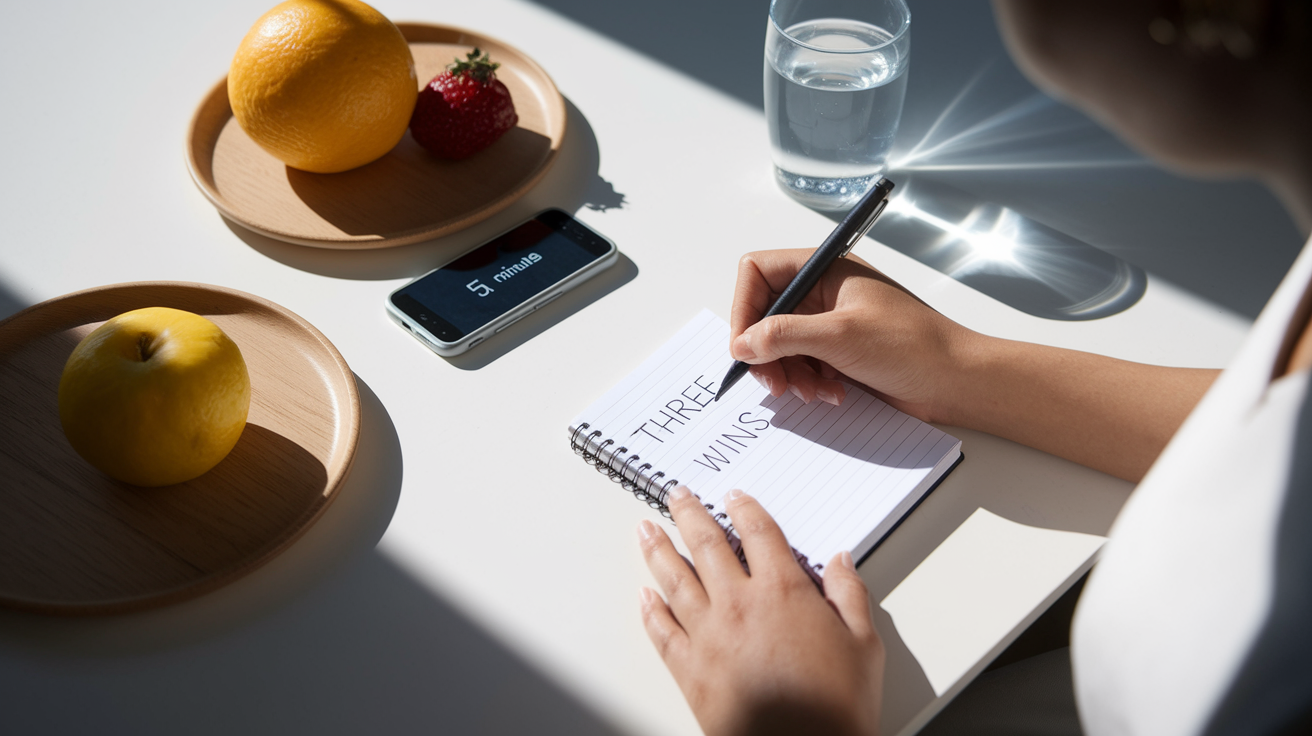
Consistency matters more than intensity when building resilience. Small, repeated actions create neural patterns that make emotional regulation easier over time. Daily habits like journaling, controlled breathing, and brief reflection practices have measurable effects on stress reduction and emotional stability. You don’t need an hour. You need five to fifteen minutes of focused practice most days of the week.
The key is integration. Attach new resilience practices to something you already do. After you make coffee, take five deep breaths. After you brush your teeth at night, write one sentence about how you felt that day. Before you check your phone in the morning, name one thing you’re grateful for. These small anchors make it easier to stay consistent, and consistency is what changes your baseline emotional capacity.
Here are four evidence backed daily resilience practices:
Morning emotional check in. Spend two minutes noticing how you feel physically and emotionally before you start your day. Name the feeling and one thing you need today (rest, movement, connection, focus).
Controlled breathing before transitions. Before meetings, difficult conversations, or any moment of uncertainty, pause for five slow breaths. This resets your nervous system and reduces reactivity.
One sentence evening reflection. Write one thing that went well and one thing that was hard. This builds awareness without requiring a long journaling session.
Weekly emotion naming practice. Set a reminder once a week to sit with your emotions for ten minutes. Name them precisely, allow them to be present without fixing or judging, and notice what shifts.
Long Term Strategies for Sustained Emotional Resilience

Sustainable resilience comes from long term behavior patterns, not just short term interventions. The habits that matter most are the ones that support your physical and emotional foundation: consistent sleep, regular movement, reflective practices, and a balance between stress and recovery. You can’t build lasting resilience on top of chronic exhaustion, poor boundaries, or unprocessed stress.
Sleep is non negotiable. Aim for seven to nine hours most nights, with a consistent bedtime. Physical activity, even 20 minutes of walking, reduces stress hormones and improves mood. Reflective practices like weekly journaling, monthly self assessments, or quarterly goal reviews help you notice patterns, celebrate progress, and adjust when something isn’t working. Boundaries matter too: protect time for rest, say no to commitments that drain you without adding value, and separate work stress from personal space whenever possible.
To maintain consistency for permanent resilience growth, set up a simple tracking system. Use a weekly log to note three wins (moments you handled stress well, asked for help, or paused before reacting) and one area where you struggled. Review it every four weeks. Expect two to eight weeks of consistent practice before you notice a shift in your baseline emotional capacity. After that, resilience becomes less effortful. It’s not that stress disappears, but your ability to return to yourself after stress improves steadily over time.
Final Words
Start with a single, doable habit, like a 5-minute grounding breath after a stressful moment. We covered what resilience is, quick self-checks, cognitive reframing, mindfulness tools, building support, daily exercises, and lifestyle steps for long-term gains.
If you want one next step, pick two practices (one cognitive, one daily) and do them for one week. That small consistency is the point.
You now have a practical path for how to build emotional resilience. Keep going. Small steps add up.
FAQ
Q: What are the 7 C’s of resilience for adults?
A: The 7 C’s of resilience for adults are competence, confidence, connection, character, contribution, coping, and control—each showing skills like problem‑solving, self‑belief, strong relationships, values, helping others, stress management, and agency.
Q: How can I become more emotionally resilient?
A: You can become more emotionally resilient by practicing simple daily habits: steady sleep, short mindfulness or breathing, cognitive reframing for stress, small problem‑solving steps, and leaning on trusted people for support.
Q: What are 5 signs of poor resilience?
A: Five signs of poor resilience are frequent overwhelm, slow emotional recovery after setbacks, difficulty adapting to change, avoidant coping (like withdrawal), and persistent negative self‑talk.
Q: How to get rid of emotional stress?
A: To get rid of emotional stress, start with a calming breath, a 10‑minute walk, naming your feelings, a grounding sense‑check (five things you notice), and sharing with a trusted person if it lingers.