


What if spending less time in bed is the fastest way to sleep more?
It sounds backward, but that’s the idea behind sleep restriction therapy: a simple, research-based plan that limits your time in bed to match how much you actually sleep so your body rebuilds sleep pressure and your bedroom becomes a cue for rest.
This post explains what the method is, why it helps, who it’s best for, and easy, safe steps you can try in the next week.
Core Overview of Sleep Restriction Therapy (Comprehensive Explanation)

Sleep restriction therapy is a structured behavioral treatment that deliberately limits how long you spend in bed so it matches how much you actually sleep. Developed by researcher Arthur Spielman and colleagues in the 1980s, this approach targets a common insomnia pattern where lying awake for long stretches weakens the connection between bed and sleep. By reducing your time in bed to roughly your current average sleep time, your body builds stronger sleep drive and starts re-associating your bedroom with falling asleep quickly and staying asleep.
The technique works through two main mechanisms. First, mild sleep restriction increases homeostatic sleep pressure, the biological drive that builds up the longer you stay awake. When you stay out of bed longer before attempting sleep, that accumulated pressure makes you fall asleep faster and consolidates lighter stages into deeper, more restorative rest. Second, spending less time lying awake in bed helps break the learned habit of associating your bed with frustration or wakefulness. Over time, your brain starts seeing bed as a reliable cue for sleep rather than a place where you toss and turn.
Sleep restriction therapy is a core component of cognitive behavioral therapy for insomnia, the first recommended non-drug treatment according to medical guidelines. It typically starts with a one to two week baseline sleep diary to measure how much you actually sleep each night. You then set a sleep window that matches your average sleep time, with a minimum floor of 5.5 hours to preserve safety. You maintain a fixed wake time every day, including weekends, and gradually expand the sleep window by about 15 minutes per week once sleep consolidates. Initial improvements often appear within several weeks, and benefits can last for several months after completing the structured program.
The core components include keeping a baseline sleep diary for one to two weeks to calculate average nightly sleep, restricting time in bed to match that average with a minimum of 5.5 hours, maintaining the same fixed wake time every single day, and gradually expanding the sleep window by 15 minutes per week when sleep efficiency improves.
How Sleep Restriction Therapy Works Mechanistically

Sleep restriction works by harnessing two fundamental aspects of sleep biology and behavior. The first is homeostatic sleep drive, an internal pressure that accumulates the longer you stay awake. Think of it like hunger. The longer you go without eating, the stronger your appetite becomes. By spending less time in bed and staying awake longer, you build more powerful sleep drive that makes falling asleep faster and more automatic. The second mechanism is stimulus control, a form of behavioral conditioning. When you spend hours lying awake in bed, your brain learns to associate the bedroom with frustration and arousal instead of sleep. Limiting your time in bed to periods when you’re actually sleeping reconditions your brain to link bed with rest, not wakefulness.
Sleep efficiency is the key metric used to guide the therapy. It’s calculated as (total time asleep ÷ total time in bed) × 100. For example, if you sleep five hours but spend eight hours in bed, your sleep efficiency is about 63 percent. Normal sleep efficiency is around 90 percent. In sleep restriction therapy, clinicians typically use a threshold of 85 percent. Once you maintain sleep efficiency at or above 85 percent for several consecutive weeks, your sleep window can be expanded by about 15 minutes. This gradual expansion continues until you reach an optimal sleep duration that leaves you feeling rested without long periods of wakefulness during the night.
| Mechanism | How It Helps Insomnia | Example |
|---|---|---|
| Increased homeostatic sleep drive | Builds stronger biological pressure for sleep onset and deeper sleep stages | Staying out of bed until 1:00 AM makes you fall asleep within 10 minutes instead of 60 |
| Consolidation of lighter sleep | Converts fragmented stage one sleep into deeper, more restorative stages | Fewer brief awakenings; longer stretches of continuous deep and REM sleep |
| Stimulus control (reconditioning) | Breaks the learned association between bed and wakefulness | Brain begins to link lying in bed with sleep rather than anxiety or frustration |
Step-by-Step Sleep Restriction Therapy Protocol

Baseline Tracking
Before restricting your sleep window, you need to know how much sleep you’re actually getting. Keep a sleep diary or use a simple tracking app for one to two weeks. Each morning, record the time you got into bed, how long it took to fall asleep, how many times you woke during the night, how long those awakenings lasted, what time you woke up for the day, and when you finally got out of bed. At the end of each day, calculate your total sleep time and your total time in bed.
Record bedtime, sleep onset time, and all night awakenings. Note your final wake time and the time you left bed. Calculate total sleep time by subtracting awake periods from time in bed. At the end of two weeks, average your nightly sleep totals to find your baseline sleep duration.
Setting Your Initial Sleep Window
Once you have your baseline average, you’ll set an initial sleep window that matches it. For example, if your diary shows you average six hours of actual sleep per night, your initial sleep window is six hours. Choose a fixed wake time that fits your life and work backward to determine your bedtime. If you need to wake at 7:00 AM and your sleep window is six hours, your new bedtime is 1:00 AM. Even if your baseline average is lower than 5.5 hours, don’t go below a 5.5 hour sleep window. Restricting below that threshold raises safety concerns around excessive daytime sleepiness.
Adherence Rules
Stick to your prescribed bedtime and wake time every single day, including weekends and days off. Consistency is essential. If you find yourself lying awake in bed for more than 15 to 20 minutes, whether at the beginning of the night or during a middle of the night awakening, get out of bed. Go to another room and do a quiet activity with low lighting, such as reading a magazine, folding laundry, or listening to calm music. Avoid screens and bright lights. Return to bed only when you feel genuinely sleepy again.
Don’t take daytime naps during sleep restriction therapy. Napping reduces the homeostatic sleep drive you’re trying to build and makes it harder to fall asleep at your scheduled bedtime. If you’re so drowsy that it becomes unsafe, limit any nap to 20 minutes and take it before 3:00 PM. The first one to two weeks are the hardest because your sleep debt increases before consolidation improves.
Extension Rules
After you’ve maintained your initial sleep window for at least one to two weeks and your sleep diary shows consistent sleep with minimal time spent awake in bed, you can begin expanding your sleep window. Check your sleep efficiency. If it’s consistently at or above 85 percent, move your bedtime 15 minutes earlier while keeping the same wake time. Continue this gradual expansion every week or two until you reach a sleep duration that feels restorative and sustainable without returning to long periods of wakefulness.
Track sleep efficiency weekly using your diary. Expand by 15 minutes only when efficiency stays above 85 percent. Stop expanding when you find your optimal sleep duration with good quality and minimal awakenings.
Practical Scheduling Examples for Sleep Restriction Therapy
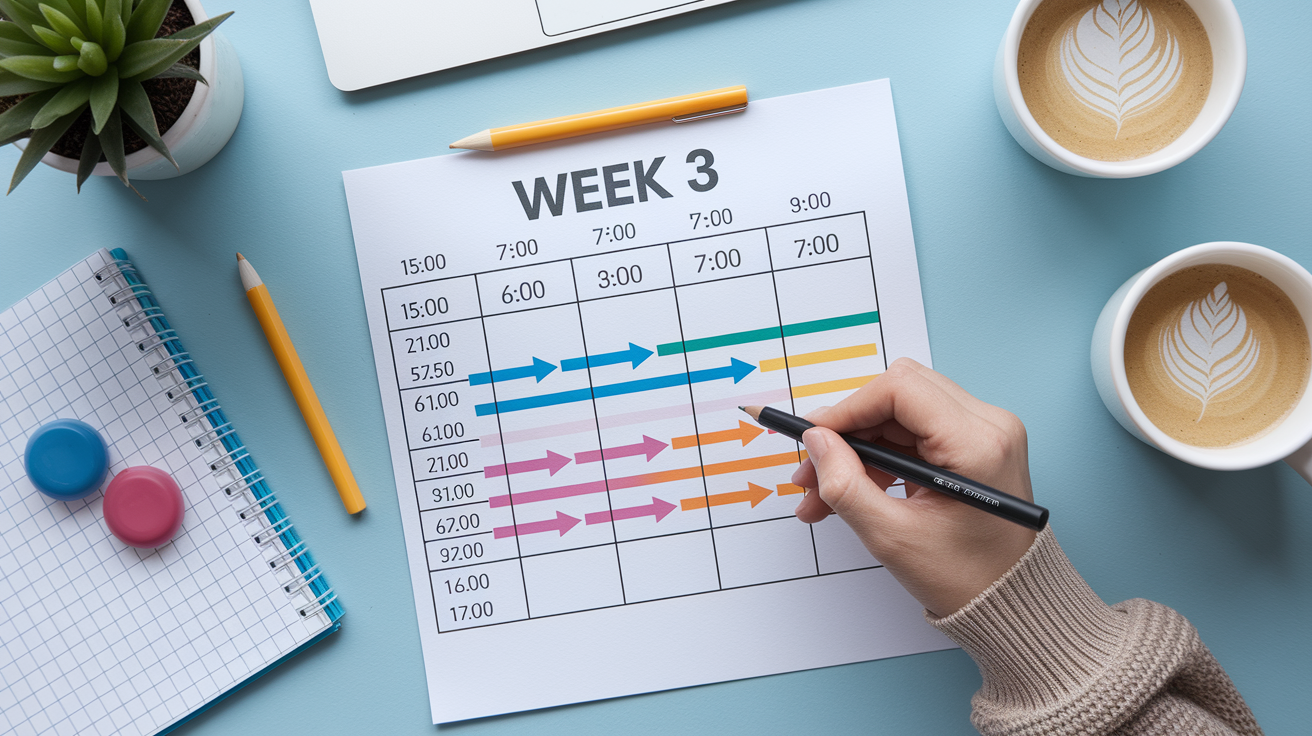
Seeing a concrete schedule helps many people translate the method into real life. Scheduling examples show how the sleep window evolves week by week as your sleep becomes more efficient. They also make it easier to visualize how small 15 minute adjustments add up over time without overwhelming your routine.
When you follow a structured plan, you can see progress in black and white. Tracking your bedtime, wake time, and sleep efficiency each week helps you stay motivated during the difficult initial phase and gives you clear signals about when it’s time to expand your sleep window. The table below shows a typical progression for someone whose baseline average sleep is six hours and whose fixed wake time is 7:00 AM.
| Week | Sleep Window (hours) | Bedtime | Wake Time | Efficiency Target |
|---|---|---|---|---|
| Baseline | 6.0 | 1:00 AM | 7:00 AM | Calculate from diary |
| Week 1 | 6.0 | 1:00 AM | 7:00 AM | Build to ≥85% |
| Week 2 | 6.25 | 12:45 AM | 7:00 AM | Maintain ≥85% |
| Week 3 | 6.5 | 12:30 AM | 7:00 AM | Maintain ≥85% |
Expected Timeline, Improvements, and Success Rates
Most people begin to notice some improvement in sleep quality within two to three weeks of starting sleep restriction therapy, though the degree of change varies. Early gains often include falling asleep faster at bedtime and waking up fewer times during the night. Because the first week or two can increase daytime sleepiness as your body adjusts to the new schedule, the benefits may not feel obvious right away. Patience and strict adherence during that initial phase are essential to seeing results.
Full benefits typically take at least six weeks of consistent practice. Some individuals need several months to reach their optimal sleep duration and quality. The timeline depends on how severe your insomnia was at baseline, how well you stick to the fixed wake time and bedtime rules, and whether you have other sleep disorders or medical conditions that complicate treatment. Research on cognitive behavioral therapy for insomnia, which includes sleep restriction as a core component, consistently shows that improvements can persist for several months or even years after completing the structured program.
Sleep restriction therapy is one of the most effective behavioral techniques for chronic insomnia, supported by decades of clinical trials. It helps many people find their individualized “right” amount of sleep, which may be less than the often cited eight or nine hours. The goal isn’t to maximize hours in bed but to maximize sleep efficiency and daytime function. When implemented correctly, the treatment produces measurable gains in total sleep time, reduced time awake after sleep onset, and better subjective sleep quality.
Who Sleep Restriction Therapy Is For (Suitability and Cautions)

Sleep restriction therapy is best suited for adults with chronic insomnia who spend long periods lying awake in bed at night. If you have difficulty falling asleep, frequent middle of the night awakenings, or early morning awakening with an inability to return to sleep, and these patterns have persisted for at least three months, sleep restriction may be an appropriate option. It’s particularly helpful if you prefer approaches without medication or if you’ve tried sleep medications without lasting success.
The technique is also commonly used in older adults and in people with insomnia that occurs alongside depression or anxiety. When insomnia and a mental health condition coexist, treating the insomnia with behavioral methods can sometimes improve mood and anxiety symptoms as well. Sleep restriction is often chosen by people who want to reduce or eliminate reliance on sedative medications and are willing to invest several weeks of effort in a structured behavioral program.
However, sleep restriction isn’t appropriate for everyone. It requires careful consideration and often clinician supervision in certain populations. If you have untreated obstructive sleep apnea, restricting your sleep window can worsen daytime sleepiness and increase the risk of cardiovascular complications. People with bipolar disorder may experience mood destabilization when sleep is restricted. Those with a history of seizure disorders face a higher risk of seizure activity when sleep deprived. Anyone with a medical condition that requires extended rest periods or anyone with severe baseline daytime sleepiness shouldn’t attempt sleep restriction without direct supervision from a healthcare provider.
You should consult a clinician or sleep specialist before starting sleep restriction therapy if you’ve been diagnosed with or suspect untreated sleep apnea, have a seizure disorder or a history of seizures triggered by sleep deprivation, have bipolar disorder or severe mood swings, experience extreme daytime sleepiness that impairs driving or work safety, have a medical condition requiring prolonged bed rest or recovery time, or are pregnant and experiencing sleep disruption related to pregnancy symptoms.
Side Effects, Challenges, and Safety Considerations in Sleep Restriction
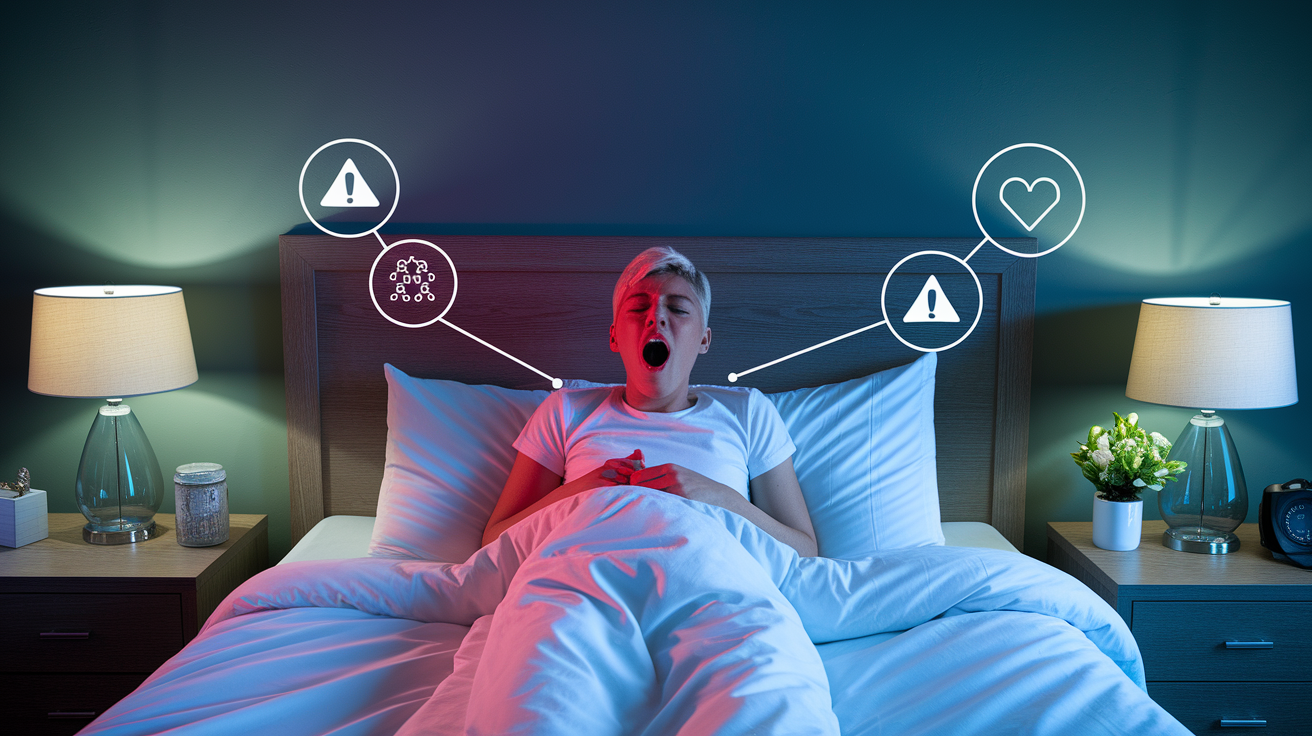
The most common side effect of sleep restriction therapy is increased daytime sleepiness, especially during the first one to two weeks. Because you’re intentionally building up sleep pressure, you may feel more tired during the day before your sleep consolidates at night. This temporary increase in sleepiness is a sign that the homeostatic sleep drive is building, but it can make daily activities more difficult. If you drive regularly, operate heavy machinery, or work in safety sensitive roles, discuss the timing and supervision of therapy with a healthcare provider to minimize risk.
Other challenges include the discipline required to maintain a strict schedule. It can be hard to stay out of bed when you’re tired, particularly if you’ve been used to lying in bed for many hours. The temptation to go to bed earlier than your scheduled bedtime or to sleep in on weekends can undermine the entire process. Social and family routines may also conflict with your new sleep window, especially if your prescribed bedtime is late at night. Planning ahead and communicating your treatment goals with household members can help you stay on track.
Napping is one of the biggest obstacles to success. Even a short nap can reduce the sleep drive you’re trying to build and make it harder to fall asleep at your scheduled bedtime. If you absolutely must nap due to overwhelming drowsiness or safety concerns, limit the nap to 20 minutes and take it before 3:00 PM. Avoid longer naps and avoid napping close to bedtime. Many people find it helpful to use brief activity breaks, a quick walk outside, or exposure to bright light during the day to combat the urge to nap.
Ways to Support Sleep Restriction Therapy with Complementary Behavioral Methods

Sleep restriction therapy works best when combined with other behavioral strategies that support healthy sleep patterns. Adding a consistent wind down routine in the hour before bed can help signal your body that sleep is approaching. This might include dimming lights, listening to calming music, taking a warm bath, or practicing progressive muscle relaxation, a technique where you systematically tense and release muscle groups from head to toe to reduce physical tension.
Cognitive techniques can also support adherence. If you find yourself lying in bed worrying about whether you’ll fall asleep or how tired you’ll feel the next day, cognitive restructuring exercises can help you challenge those unhelpful thoughts. For example, reminding yourself that one night of poor sleep won’t ruin your week or that lying quietly in bed still provides some rest can reduce the anxiety that keeps you awake. Many people combine sleep restriction with stimulus control instructions, such as using the bed only for sleep and intimacy and avoiding work, screen time, or stressful activities in the bedroom.
Additional behavioral supports that can strengthen sleep restriction therapy include getting bright light exposure within 30 minutes of waking to reinforce your circadian wake signal, avoiding caffeine after early afternoon and avoiding heavy meals within two to three hours of bedtime, using a cool, dark, and quiet bedroom environment to support sleep onset and maintenance, practicing relaxation techniques such as diaphragmatic breathing or guided imagery before bed, and keeping your sleep diary up to date every morning to track progress and adjust your schedule accurately.
Sleep Restriction Therapy in Clinical and Digital Settings

Sleep restriction therapy can be delivered in several formats. In traditional clinical settings, a behavioral sleep medicine specialist or a therapist trained in cognitive behavioral therapy for insomnia guides you through the protocol. They review your sleep diary, calculate your initial sleep window, monitor your progress week by week, and adjust the schedule based on your sleep efficiency scores. This supervised approach is especially helpful for people with complex medical histories, comorbid psychiatric conditions, or concerns about safety during the initial sleep restriction phase.
Self guided formats are also available through books, online courses, and digital insomnia programs. These resources provide step by step instructions, printable sleep diaries, and automated feedback based on the data you enter. While self guided programs can be effective for straightforward cases of chronic insomnia, they may not account for individual complications or provide the level of personalized adjustment that a clinician can offer. If you’re considering a self guided approach, choose a program developed by sleep researchers or clinicians with expertise in this area.
Wearable sleep trackers and smartphone apps can supplement traditional sleep diaries but vary in accuracy. Consumer devices often estimate sleep stages using movement and heart rate data, which can differ from the gold standard measurements used in sleep labs. Actigraphy, a research grade wrist device, provides more reliable data about sleep wake patterns and is sometimes used in clinical settings to validate diary reports. Regardless of the tool you use, consistency in tracking is more important than perfect precision. Even a simple pen and paper diary can give you the information you need to implement sleep restriction successfully.
Adjustments, Troubleshooting, and When to Seek Specialist Help

Progress in sleep restriction therapy isn’t always linear. Some weeks your sleep efficiency will improve, and other weeks it may plateau or dip slightly. When your sleep efficiency consistently stays at or above 85 percent for one to two weeks, you can expand your sleep window by 15 minutes. If your efficiency drops below 80 percent for several nights in a row, you may need to tighten your sleep window again or revisit your adherence to the fixed wake time and no nap rules. Small adjustments based on weekly tracking help you stay responsive to your body’s patterns without abandoning the overall structure.
Common mistakes include expanding the sleep window too quickly, allowing variable wake times on weekends, and taking naps that undermine sleep drive. If you’re following the protocol closely but still struggling with excessive daytime sleepiness or no improvement in nighttime sleep after four to six weeks, it’s time to consult a sleep specialist. Persistent insomnia despite behavioral therapy may signal an underlying sleep disorder, such as sleep apnea or restless legs syndrome, that requires different treatment.
You should seek specialist help if you experience severe daytime impairment that affects your ability to work, drive, or function safely, no improvement in sleep quality or efficiency after six weeks of strict adherence, new or worsening mood symptoms such as depression, anxiety, or irritability during therapy, or symptoms that suggest another sleep disorder, such as loud snoring, gasping for air at night, or uncomfortable leg sensations when lying down.
Final Words
In the action, sleep restriction therapy is about matching time in bed to how much you actually sleep: baseline diary, a restricted sleep window, fixed wake time, and gradual expansion.
It boosts your sleep drive and reconditions the bed to cut down on wakefulness, with noticeable gains often showing in 2–3 weeks when you stick with it.
A simple next step: keep a two‑week sleep diary and set a consistent wake time. That will help you apply the sleep restriction therapy explained here and give you a clear starting point for steady progress.
FAQ
Q: How does sleep restriction therapy work?
A: Sleep restriction therapy works by limiting time in bed to match your actual sleep, which increases sleep drive and reconditions the bed as a sleep cue, using a fixed wake time and gradual expansion.
Q: How long does it take SRT to work?
A: Sleep restriction therapy typically shows first improvements in 2–3 weeks; fuller benefits often need six or more weeks, with consistent adherence and clinician guidance speeding progress.
Q: What is the 3-3-3 rule for sleep?
A: The 3-3-3 rule for sleep isn’t a formal SRT step; definitions vary. It’s an informal shorthand some clinicians use—check with your CBT‑I provider for their specific meaning and application.
Q: What is the minimum hours for sleep restriction therapy?
A: The minimum hours for sleep restriction therapy is generally 5.5 hours of time in bed; clinicians rarely set windows below that and may adjust based on medical needs.