
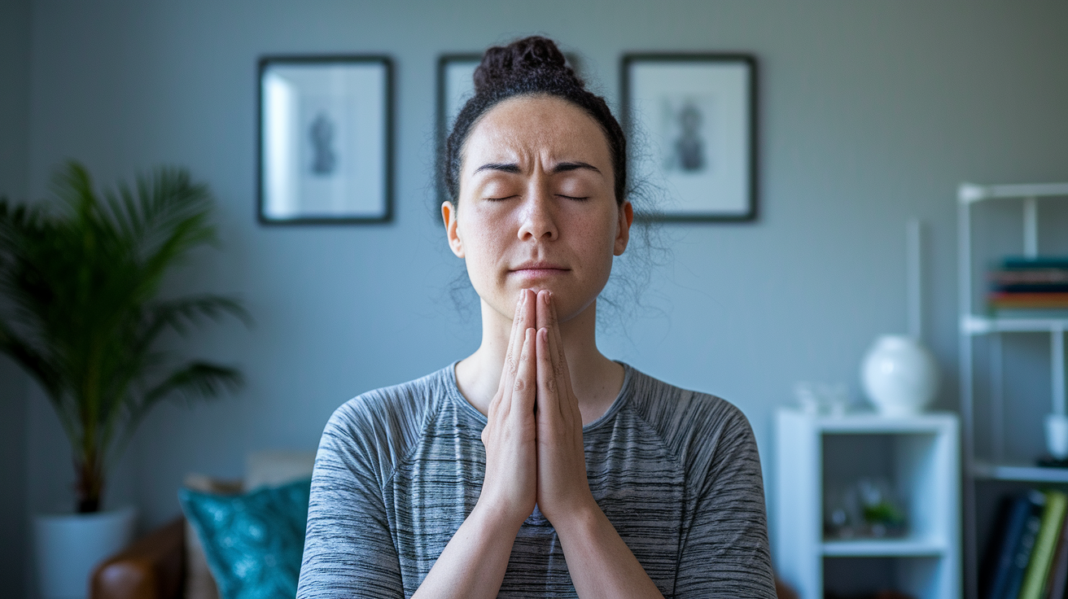

Think you need an app or medication to calm down? Try four counts of breath first.
Box breathing uses four equal steps—inhale, hold, exhale, hold—for four seconds each.
It’s a small, portable practice that can lower your heart rate, ease stress, and sharpen focus in minutes.
This post shows what box breathing is, why it helps your nervous system, and exactly how to do the 4-4-4-4 cycle.
You’ll also get quick tweaks if holding feels hard and places to use it today.
Clear Explanation of Box Breathing and Its Purpose

Box breathing is a controlled breathing technique that uses four equal phases to calm your nervous system and sharpen your focus. Inhale, hold, exhale, hold. It’s also called square breathing because each phase lasts the same amount of time, creating a symmetrical pattern. The most common version follows a 4-4-4-4 timing: breathe in for four counts, hold for four, breathe out for four, and pause for four before starting the next cycle.
The pattern works by giving your mind something simple to focus on while your body shifts into a calmer state. Each phase has a purpose. The inhale brings in oxygen, the first hold allows gas exchange in the lungs, the exhale releases carbon dioxide and tension, and the second hold completes the rhythm and reinforces the sense of control. When you follow this structured cycle, you interrupt automatic stress responses and create space to regain composure.
Box breathing is designed to ground you quickly during moments of anxiety, panic, or mental overload. The equal counts make it easy to remember and follow, even when your thoughts are racing. By giving your attention to the rhythm of your breath, you distract your mind from worry and signal your body that it’s safe to slow down.
The four equal phases of box breathing are:
- Inhale for 4 seconds through your nose
- Hold your breath for 4 seconds
- Exhale for 4 seconds through your mouth or nose
- Hold empty for 4 seconds before the next inhale
Understanding the Box Breathing Cycle and How It Works Physiologically

When you breathe slowly and deliberately through a box breathing cycle, you engage the parasympathetic nervous system. That’s the part of your autonomic nervous system responsible for rest, digestion, and recovery. Most of the time, stress or perceived danger activates the sympathetic nervous system, which drives the fight or flight response: faster heart rate, shallow breathing, elevated cortisol. Box breathing interrupts that loop by sending signals that tell your body to shift out of high alert and into a state of calm.
The physiological effects are measurable. Studies on paced breathing show reductions in heart rate, lower blood pressure, and decreased cortisol levels after just a few minutes of practice. Slower, controlled breathing also increases heart rate variability (HRV), a marker of nervous system flexibility and resilience. When you hold your breath at the top and bottom of each cycle, you give your body time to stabilize oxygen and carbon dioxide exchange, which helps reduce the rapid, shallow breathing that often accompanies panic or stress.
Counting through each phase also plays a cognitive role. It occupies your working memory, making it harder for anxious or intrusive thoughts to dominate your attention. This mental redirection is one reason the technique feels effective almost immediately. You’re not just breathing differently, you’re thinking differently.
Step-by-Step Box Breathing Instructions With Proper Technique
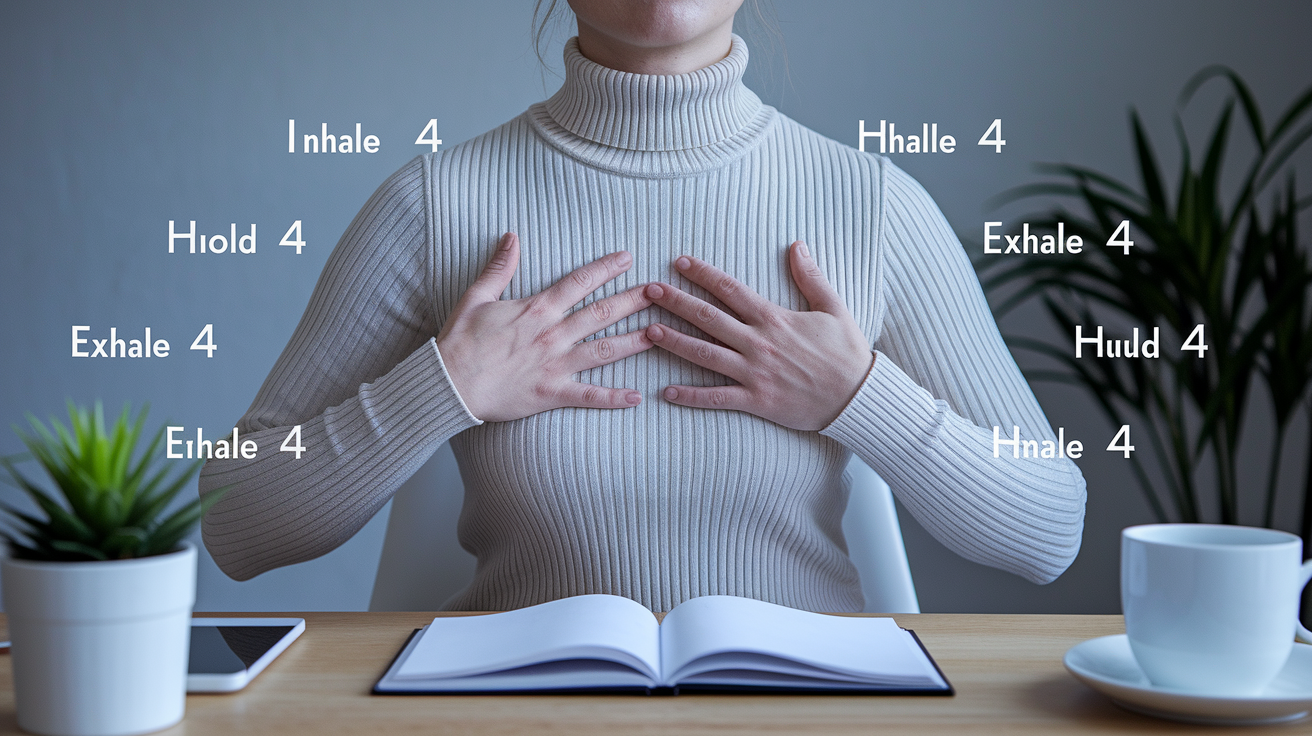
Before you begin, find a position that feels stable and allows your lungs to expand fully. Sitting upright in a chair with your feet flat on the floor works well, but you can also stand or lie down if that’s more comfortable.
Prepare your posture: Sit or lie in a comfortable position with your back supported. Relax your shoulders and place one hand on your chest and the other on your stomach. This helps you notice whether you’re breathing into your chest (shallow) or your belly (deeper, diaphragmatic breathing).
Inhale for 4 seconds: Breathe in slowly through your nose, counting silently to four. Feel your stomach expand under your hand. Keep the breath smooth and controlled. No rushing.
Hold for 4 seconds: Keep your lungs full without straining. Your shoulders should stay relaxed. Count silently: one, two, three, four.
Exhale for 4 seconds and pause for 4: Breathe out slowly through your mouth or nose for four counts, releasing all the air. Then pause with your lungs empty for another four counts before starting the next inhale.
If four seconds feels too long or makes you feel lightheaded, start with two or three seconds per phase. The key is keeping all four phases equal. 2-2-2-2 or 3-3-3-3 still gives you the structured rhythm and nervous system benefits. As you get more comfortable, you can gradually extend the count. Repeat the cycle for at least four rounds (about one minute) to feel the initial calming effect, and continue for several minutes if you have the time and need deeper relief.
Benefits of Box Breathing for Stress, Focus, and Sleep

Box breathing offers quick relief for acute anxiety and panic. When your heart is racing or your thoughts are spiraling, the structured counting and breath control give you something concrete to hold onto, interrupting the stress response and helping you regain composure in the moment. Over time, regular practice can improve your baseline stress tolerance and make it easier to stay calm in high-pressure situations.
On a physiological level, the technique lowers blood pressure, reduces circulating cortisol, and shifts your nervous system toward parasympathetic dominance. These changes happen within minutes and can last for hours after a practice session. Improved heart rate variability, a sign of nervous system resilience, is also associated with consistent paced breathing practice. Together, these effects support better emotional regulation and a steadier response to daily stressors.
Box breathing is also useful before bed. Slowing your breath and holding at the end of each exhale signals your body that it’s time to rest, making it easier to fall asleep. It’s equally effective before a presentation, test, or difficult conversation. Any situation where you need focus, clarity, and calm instead of adrenaline and scattered thinking.
Five specific benefits include:
- Immediate reduction in perceived stress and panic
- Improved concentration and mental clarity
- Lower blood pressure and heart rate during and after practice
- Help falling asleep or returning to sleep after waking
- Greater sense of control during overwhelming moments
Where and When to Use Box Breathing in Daily Life
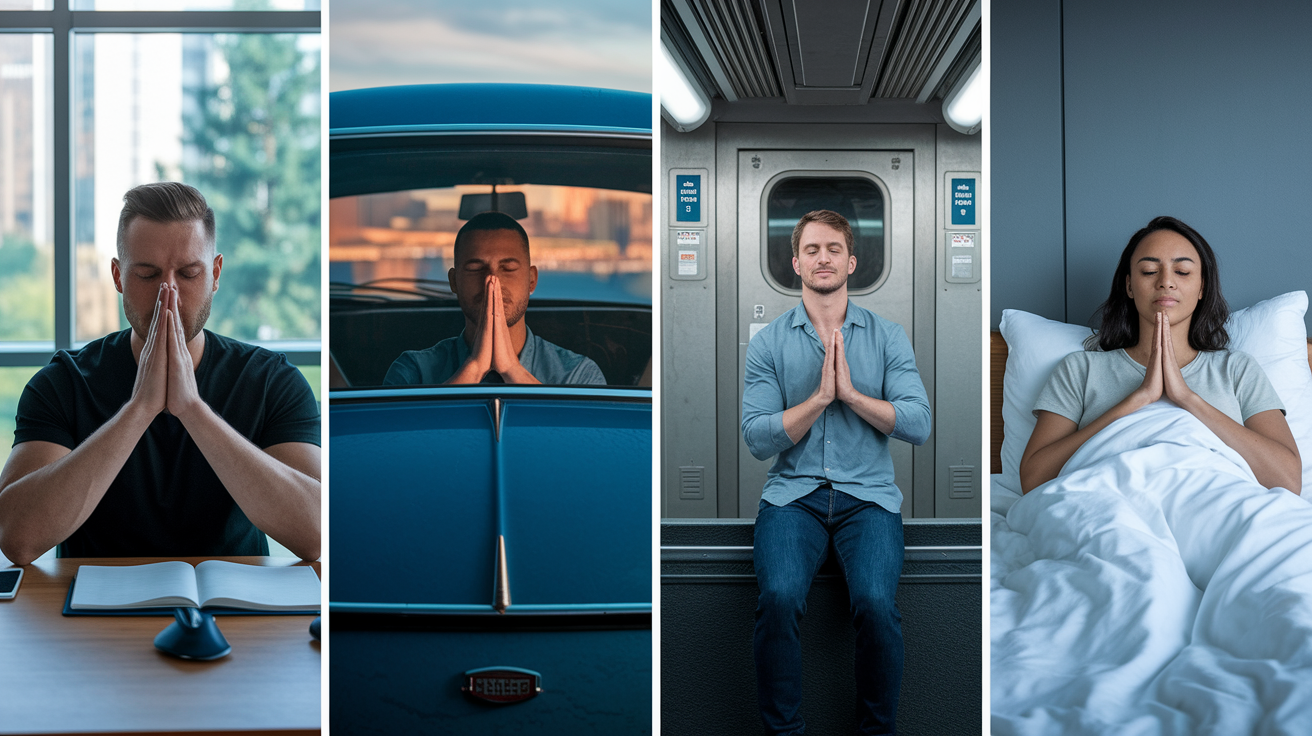
You can practice box breathing anywhere. At your desk, in a parked car, on public transit, in a waiting room, or lying in bed. The technique requires no equipment and takes up almost no space, which makes it one of the most portable stress management tools available. Even a 30 second session (two full cycles) can produce noticeable relaxation, so you don’t need to block out a large amount of time to feel the benefit.
Use box breathing when you notice early signs of stress: tightness in your chest, shallow breathing, racing thoughts, or a quickening heart rate. Catching stress early makes it easier to reverse. The technique is also helpful during transitions. Before you walk into a meeting, after a difficult phone call, or when you’re trying to shift from work mode to home mode at the end of the day.
Common practice scenarios:
- Before a presentation, interview, or high-stakes conversation
- During a work break to reset focus and energy
- At night when your mind won’t stop racing
- In response to an unexpected stressor or conflict
Origins of Box Breathing and Its Use in High-Stress Professions

Box breathing has roots in pranayama, the breath control practices found in yoga and Ayurvedic traditions. These ancient techniques emphasized the connection between breath, mind, and nervous system regulation long before modern science could measure their effects. Over centuries, variations of paced breathing spread across contemplative and martial traditions as tools for focus, endurance, and emotional steadiness.
In recent decades, the technique gained visibility through its adoption by military and tactical communities. Navy SEALs and other special operations personnel use box breathing as part of their mental conditioning to maintain clarity and performance under extreme pressure. The method is now taught in first responder training, executive coaching, and clinical settings as a quick, evidence backed way to manage acute stress and improve decision making when it matters most.
Tactical Use Insight
Operators and first responders work in environments where panic or distraction can have serious consequences. Structured breathing gives them a reliable reset tool. Something they can use in seconds to calm their physiology, sharpen their attention, and stay effective. The same principles apply to everyday high pressure moments: job interviews, medical appointments, family conflicts, or any situation where you need to think clearly instead of react impulsively.
Variations, Progressions, and Beginner Modifications for Box Breathing

The standard 4-4-4-4 pattern is a starting point, not a rule. If holding your breath for four seconds feels uncomfortable or triggers anxiety, reduce the count to two or three seconds per phase. You’ll still get the benefits of rhythmic breathing and focused attention. Once shorter cycles feel easy, you can gradually increase to five or six seconds per phase for a slower, deeper practice that enhances parasympathetic activation.
| Variation | Count Pattern | Best For |
|---|---|---|
| Beginner | 2-2-2-2 or 3-3-3-3 | First-time users, people with breath-hold discomfort |
| Standard | 4-4-4-4 | Most adults, general stress relief and focus |
| Advanced | 5-5-5-5 or 6-6-6-6 | Experienced practitioners seeking deeper calm |
Session length also varies by need. A quick reset might be just four cycles (about one minute). A focused practice session could run five to ten minutes. Daily routines often include one or two short sessions. One in the morning to set a calm tone and one before bed to support sleep. Common mistakes include holding the breath so long that you gasp on the next inhale, sitting in a position that restricts your lungs, or counting too fast out of impatience. Keep the pace steady, the posture open, and the breath smooth.
Safety Considerations and When to Avoid Box Breathing

For most people, box breathing is safe and well tolerated. But if you feel lightheaded, dizzy, or short of breath during practice, stop immediately and return to normal breathing. These symptoms usually mean you’re holding too long or breathing too slowly for your current capacity. Reduce the count and try again with shorter phases, or skip the breath holds entirely and focus on slow, equal inhales and exhales.
People with certain respiratory or cardiovascular conditions should approach breath hold techniques cautiously. If you have COPD, severe asthma, or a history of panic disorder, the sensation of holding your breath may trigger discomfort or hyperventilation. In these cases, practice without the holds or work with a healthcare provider to modify the technique safely.
Watch for these signals to pause or stop:
- Chest tightness or pain during or after practice
- Persistent dizziness or feeling faint
- Increased anxiety or panic instead of calm (rare, but possible if breath holds feel threatening)
Tools to Support Box Breathing Practice (Apps, Visuals, Guides)
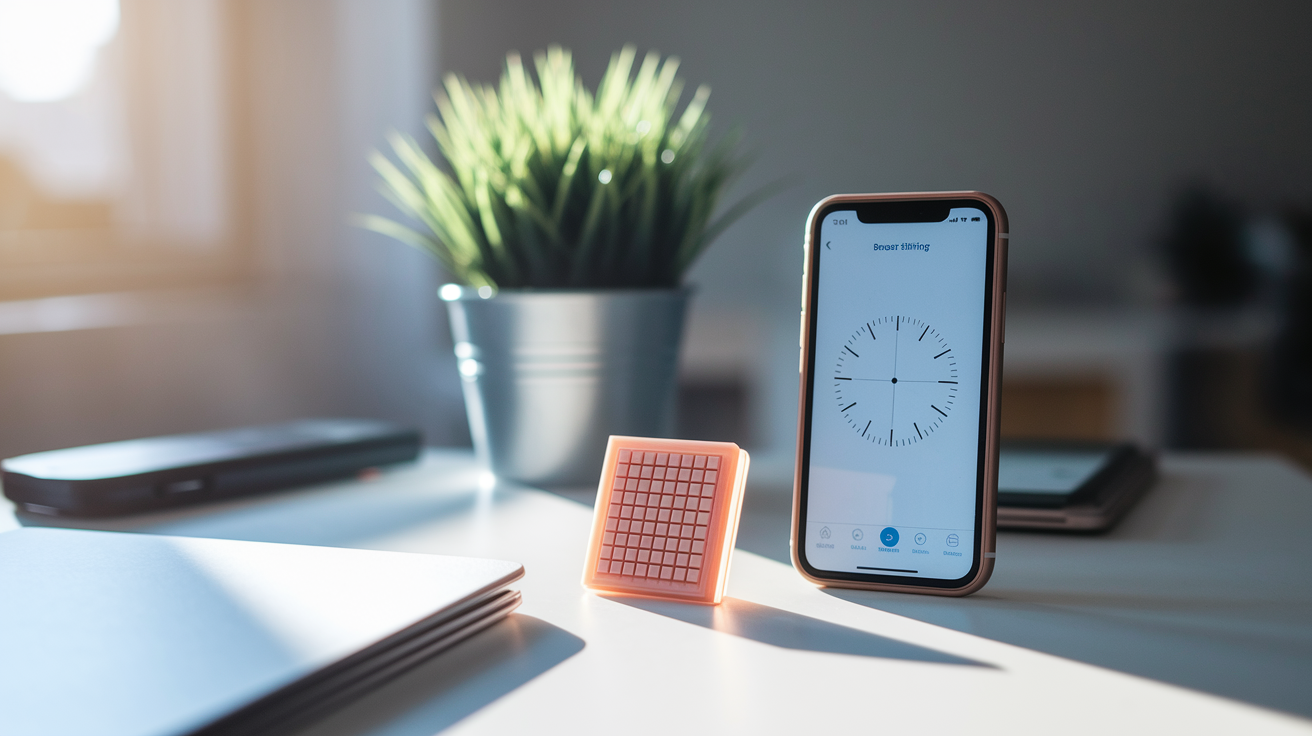
Visual cues make it easier to stay on rhythm when you’re learning. One simple method is to trace a square with your finger or your eyes. Move along one side for each phase of the breath. You can also draw a square on paper and follow the edges with your gaze: up for inhale, across for hold, down for exhale, back for the final hold. These visual anchors help you maintain equal timing without counting out loud.
Breathing apps and guided timers provide another layer of support. Many apps display animated circles or boxes that expand and contract at set intervals, giving you a visual prompt for each breath phase. Guided meditations that include box breathing can also walk you through the steps with verbal cues, which is helpful if counting silently feels distracting at first.
Helpful tools and methods include:
- Finger or eye tracing along a square shape
- Four phase breathing timers or metronome apps
- Animated breath guides that expand and contract on screen
- Short guided audio tracks that cue each phase with a calm voice
Final Words
In the action, you learned that box breathing (aka square or four‑square breathing) uses equal-length inhale, hold, exhale, hold, commonly four seconds each.
It’s a quick way to calm your nervous system, lower heart rate, and sharpen focus—useful during stress, before sleep, or anytime you need a reset.
If you still wonder what is box breathing, picture tracing a box with each four-count breath. Start with 30–60 seconds and build from there. Small, regular practice brings real benefits.
FAQ
Q: What is box breathing and how do you do it?
A: Box breathing is a simple breathing technique (also called square or four‑square breathing) using four equal phases—inhaling, holding, exhaling, holding—commonly 4 seconds each to calm the nervous system and refocus attention.
Q: Do navy SEALs really use box breathing?
A: Navy SEALs do use box breathing; it’s a tactical breathing method taught to operators to regain calm, steady the heart rate, and sharpen focus under high stress.
Q: Who shouldn’t do box breathing?
A: People who shouldn’t do box breathing include those with COPD, severe asthma, or certain panic disorders; anyone who feels lightheaded should stop and consult a clinician before continuing.
Q: How long should you box breathe for?
A: You should box breathe for about 30 seconds up to 5–10 minutes; beginners can start with one minute and shorter 2–3 second counts, then increase duration as comfort improves.