


What if your constant tiredness or sudden weight change isn’t just stress, but your thyroid?
Thyroid problems in women often start slowly and look like aging, sleep loss, or mood swings.
This post walks through the common early signs—low energy, temperature sensitivity, hair and menstrual changes, brain fog—and explains what they likely mean.
It ends with clear next steps you can do this week to check whether screening and a conversation with your clinician make sense.
Key Early Signs Women May Notice When Thyroid Function Changes

Your thyroid is a small butterfly shaped gland in your neck that produces hormones controlling how fast or slow nearly every system in your body runs. When thyroid hormone output drops (hypothyroidism), metabolism slows down. When it rises (hyperthyroidism), your system speeds up. Many early thyroid symptoms are subtle and easy to dismiss as stress, aging, or just being busy.
The pattern of symptoms depends on whether your thyroid’s underperforming or overproducing. Hypothyroidism tends to create sluggish, low energy symptoms. Hyperthyroidism pushes your body into overdrive. Both can appear gradually over months, which is why women often don’t connect the dots until multiple symptoms pile up.
Here’s what women typically notice first when thyroid function changes:
Persistent fatigue that doesn’t improve with more sleep. About 83% of people with hypothyroidism report low energy.
Unexplained weight gain despite eating the same or less, or sudden weight loss without diet changes.
Temperature sensitivity. Feeling colder than everyone else in the room (hypothyroid) or feeling overheated and sweating more than usual (hyperthyroid).
Changes in skin texture, especially dryness, flakiness, or itchiness (hypothyroid) or moist, warm skin (hyperthyroid).
Hair thinning or noticeable hair loss, especially at the outer edge of the eyebrows.
Bowel habit shifts. Chronic constipation (hypothyroid) or more frequent loose stools (hyperthyroid).
Brain fog, trouble concentrating, or slower thinking and memory lapses.
Mood changes. Depression, apathy, or low motivation (hypothyroid) or anxiety, nervousness, or irritability (hyperthyroid).
Heart rate differences. Slower than normal resting heart rate, around 60 bpm or below (affects roughly 12–15% of hypothyroid patients), or rapid, pounding heartbeat or palpitations (hyperthyroid).
Brittle nails that crack or split easily.
These symptoms can overlap with many other health issues, menopause transitions, stress, or even iron deficiency. No single symptom confirms a thyroid problem. Diagnosis requires blood work, specifically a TSH test and often Free T4, to measure how much thyroid hormone you’re producing and whether your pituitary gland is working harder to compensate. If you notice several of these signs persisting for weeks or worsening over time, a thyroid screening can rule the issue in or out quickly.
How Hypothyroid vs Hyperthyroid Symptoms Differ in Women

The thyroid affects metabolism at a cellular level. When it slows down, everything from digestion to body temperature regulation to neurotransmitter production gets sluggish. When it runs too fast, systems are overstimulated. Understanding which direction your symptoms point can help you describe what’s going on more clearly to your doctor.
Underactive Thyroid Patterns
Hypothyroidism presents as a slow, low, heavy pattern. Women often describe feeling like they’re “moving through mud” or “running on half power.” Common signs include low mood or depression that doesn’t respond well to usual coping strategies, feeling cold even in warm rooms (cold hands and feet are especially typical), dry or flaky skin that doesn’t improve with moisturizer, chronic constipation, slower resting heart rate, and noticeable cognitive fog.
“Before my thyroid was treated, I’d walk into a room and completely forget why I was there. I couldn’t hold thoughts long enough to finish sentences.”
You might also notice weight creeping up despite no change in eating or activity, or stubborn weight that won’t budge even with consistent effort. Hair may thin gradually. Nails may become brittle and crack easily.
Overactive Thyroid Patterns
Hyperthyroidism creates a racing, revved up pattern. Women often report feeling anxious or “wired” for no clear reason, heat intolerance and excessive sweating, rapid or pounding heartbeat even at rest, shaky hands or fine tremors (you might notice your handwriting changing or trouble holding a cup steady), and unexpected weight loss despite eating normally or more than usual.
You may also experience irritability, trouble sleeping or staying asleep, and more frequent bowel movements or loose stools. Periods may become lighter or irregular. Some women describe feeling like their body “won’t calm down,” even when they’re physically exhausted.
Many women initially chalk hypothyroid symptoms up to getting older, being too busy, or “just needing more sleep.” Hyperthyroid symptoms are often mistaken for anxiety or stress. The key difference is persistence and pattern. These symptoms don’t improve with rest, stress management, or typical self care. If you track them over a few weeks and see a consistent cluster, that’s worth discussing with your doctor.
Female Specific Thyroid Signs: Menstrual, Fertility, and Hormonal Changes
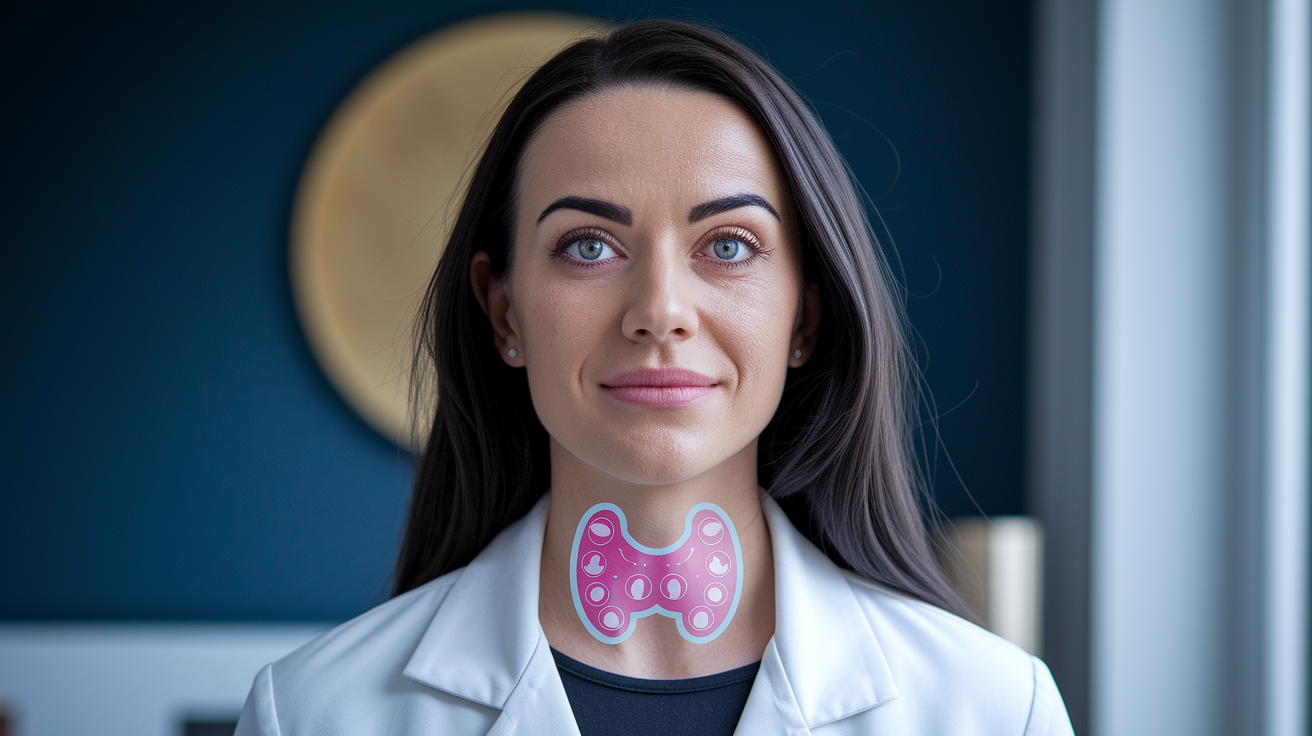
Thyroid hormones interact closely with estrogen and progesterone, which means thyroid dysfunction often shows up in your menstrual cycle first. Women with hypothyroidism commonly report heavier periods, longer cycles, or more painful cramping. The opposite can happen with hyperthyroidism. Periods may become lighter, shorter, or more irregular. Some women skip cycles entirely or notice their cycle length becomes unpredictable.
If you’ve been trying to conceive without success, thyroid dysfunction is a common but often overlooked factor. Low thyroid hormone can interfere with ovulation and make it harder to get pregnant. During pregnancy, thyroid needs increase, and untreated hypothyroidism raises the risk of miscarriage, preterm birth, and developmental issues. If you’re already on thyroid medication, pregnancy often requires a dosage adjustment within the first trimester. Hyperthyroidism during pregnancy also needs close management to protect both you and the baby.
After delivery, some women develop postpartum thyroiditis, a temporary thyroid inflammation that can cause hyperthyroid symptoms (anxiety, heart palpitations, weight loss) in the first few months, followed by hypothyroid symptoms (fatigue, depression, weight gain) later. It’s often mistaken for standard postpartum mood changes or “baby blues,” but if symptoms are severe or persist beyond a few weeks, thyroid testing can clarify what’s happening.
Here are hormonal red flags women often dismiss or don’t connect to thyroid issues:
Periods that suddenly become much heavier or last longer than your usual pattern.
Skipped periods when you’re not pregnant, perimenopausal, or using hormonal birth control.
New or worsening PMS symptoms, especially mood swings or breast tenderness.
Difficulty conceiving after six months of trying (if you’re under 35) or three months (if you’re over 35).
Noticeable drop in libido that doesn’t match your stress level or relationship quality.
Physical Appearance Changes Linked to Thyroid Dysfunction

Thyroid hormone influences how quickly your skin cells regenerate and how well your hair follicles function. When levels drop, skin becomes dry, rough, and flaky even if you’re moisturizing regularly. Nails may become brittle, ridged, or prone to splitting. Hair thinning is common, especially a gradual overall thinning rather than bald patches. Some women notice the outer third of their eyebrows thinning first.
If your thyroid enlarges (called a goiter), you may see or feel swelling at the base of your neck. In some cases, thyroid nodules (small lumps) develop and can be felt during a neck self exam or noticed when swallowing. Hoarseness or a change in voice can happen if a nodule or enlarged gland presses on your vocal cords.
| Symptom | Possible Thyroid Link | Notes |
|---|---|---|
| Dry, flaky skin despite moisturizer | Hypothyroidism | Reduced cell turnover; may improve with treatment |
| Brittle, ridged nails | Hypothyroidism | Often accompanies dry skin and hair thinning |
| Thinning hair or eyebrow loss | Hypothyroidism or hyperthyroidism | More common with underactive thyroid |
| Visible neck swelling or lump | Goiter or thyroid nodule | Needs ultrasound evaluation; may occur with normal hormone levels |
Mood, Cognition, and Energy Changes Women Often Mistake for “Life Stress”

Low thyroid hormone affects neurotransmitter production and brain metabolism, which can lead to depression, low motivation, and apathy that feels different from situational sadness. Women often describe it as “flatness” or “just not caring about things that used to matter.” Hyperthyroidism, on the other hand, often triggers anxiety, restlessness, or feeling “on edge” without a clear cause.
Cognitive symptoms are common with hypothyroidism. You might notice trouble concentrating, slower processing speed (it takes longer to understand what you read or follow a conversation), memory lapses (forgetting appointments, names, or where you put things), or difficulty multitasking. These changes can be frustrating and are often dismissed as “mom brain,” perimenopause, or just being too busy. When thyroid hormone is replaced and levels stabilize, many women report that the mental fog lifts noticeably.
Sleep disturbances go both ways. Hypothyroidism can make you feel exhausted all day but still struggle to get deep, restorative sleep. You might sleep longer but wake up unrefreshed. Hyperthyroidism often causes insomnia, trouble falling asleep, or waking frequently through the night with a racing mind or heart palpitations. If your sleep issues don’t improve with typical sleep hygiene changes (consistent bedtime, reducing screen time, managing stress), thyroid testing is a reasonable next step.
Clarifying Symptoms Often Mistakenly Attributed to Thyroid Problems
Not every vague symptom traces back to thyroid dysfunction. A few commonly blamed signs are actually not typical of hypothyroidism unless the condition is severe and untreated for a long time (very high TSH levels above 10 or higher).
Here are symptoms often misattributed to low thyroid function:
Anxiety or panic attacks. These are more commonly linked to hyperthyroidism (overactive thyroid) or other causes like stress, blood sugar swings, or caffeine sensitivity.
Hot flashes or feeling overheated. Hypothyroidism causes cold intolerance, not heat intolerance. If you’re feeling hot, consider hyperthyroidism, perimenopause, or other hormonal shifts.
Dizziness or high blood pressure. These are not hallmark symptoms of hypothyroidism and usually point to cardiovascular, blood sugar, or inner ear issues.
Puffy face or significant facial swelling. This is rare and typically only occurs in very severe, longstanding, untreated hypothyroidism (myxedema).
Rust colored stains on hands. Not a recognized symptom of thyroid dysfunction.
This doesn’t mean your symptoms aren’t real or don’t need attention. It means they’re more likely caused by something else, and accurate testing will help you and your doctor focus on the right diagnosis. Self diagnosing based on symptom lists can lead to unnecessary worry or delay in finding the actual cause.
Hashimoto’s and Graves’ Disease: Autoimmune Causes of Thyroid Problems in Women

Hashimoto’s disease is the most common cause of hypothyroidism in the United States. It’s an autoimmune condition in which your immune system gradually attacks and damages the thyroid gland, reducing its ability to produce hormone. Many women with Hashimoto’s test positive for thyroid antibodies (thyroid peroxidase antibodies or thyroglobulin antibodies) years before their TSH levels rise enough to diagnose hypothyroidism. The presence of antibodies alone doesn’t mean you have hypothyroidism. It means you’re at higher risk and should monitor your thyroid function periodically. Treatment isn’t started unless hormone production actually drops.
Graves’ disease is the leading autoimmune cause of hyperthyroidism. In Graves’, the immune system produces antibodies that overstimulate the thyroid, causing it to produce too much hormone. Symptoms include anxiety, heat intolerance, rapid heartbeat, tremors, weight loss, and sometimes bulging eyes (called Graves’ ophthalmopathy). Women with Graves’ disease may also develop a goiter or notice their neck visibly swelling.
When Antibody Tests Matter
Your doctor may order thyroid antibody tests if your TSH is borderline, if you have a family history of autoimmune thyroid disease, if you’re experiencing symptoms but initial TSH is normal, or if you’re planning pregnancy (high antibody levels can increase miscarriage risk even if TSH is normal). Antibody testing helps identify the underlying cause but doesn’t replace TSH and Free T4 as the primary screening tools. TSH is still the most reliable single test for diagnosing thyroid dysfunction.
How Thyroid Problems in Women Are Diagnosed: Tests and Imaging

Diagnosis starts with a TSH (thyroid stimulating hormone) blood test. TSH is produced by your pituitary gland and signals your thyroid to make more hormone. When thyroid hormone is low, TSH rises to try to push the thyroid harder. When thyroid hormone is high, TSH drops. A high TSH typically means hypothyroidism, and a low TSH suggests hyperthyroidism. Your doctor may also order a Free T4 test, which measures the actual amount of active thyroid hormone circulating in your blood. Together, TSH and Free T4 give a clear picture of whether your thyroid is underproducing, overproducing, or functioning normally.
If your doctor feels a lump, swelling, or irregularity during a neck exam (palpation), or if your thyroid feels enlarged, they may recommend a thyroid ultrasound. Ultrasound is a quick, non invasive imaging test that shows the size, shape, and texture of your thyroid and can identify nodules or cysts. Most thyroid nodules are benign, but ultrasound helps determine if a biopsy is needed.
Thyroid antibody testing (TPO antibodies, thyroglobulin antibodies, or TSI antibodies for Graves’ disease) is used when autoimmune thyroid disease is suspected. Antibodies confirm that your immune system is involved, which can guide treatment decisions and long term monitoring, especially if you’re planning pregnancy or have a family history of autoimmune conditions.
| Test | What It Measures | Typical Use |
|---|---|---|
| TSH | Pituitary signal to thyroid | First line screening; high TSH suggests hypothyroid, low TSH suggests hyperthyroid |
| Free T4 | Active thyroid hormone in blood | Confirms hormone levels and helps assess severity |
| Thyroid antibodies (TPO, TG, TSI) | Immune activity against thyroid | Identifies autoimmune causes (Hashimoto’s or Graves’) |
| Thyroid ultrasound | Gland structure and nodules | Evaluates enlargement, nodules, or irregularities felt during exam |
When Women Should Seek Medical Care for Thyroid Symptoms

Most thyroid concerns can be evaluated and managed by your primary care doctor, family medicine provider, or OB/GYN. If you notice multiple symptoms from the lists above persisting for more than a few weeks (especially fatigue that doesn’t improve with rest, unexplained weight changes, temperature sensitivity, mood shifts, or menstrual irregularities), request a thyroid panel (TSH and Free T4 at minimum).
You should seek prompt medical evaluation if you experience any of these red flag situations:
Sudden, severe fatigue that makes it hard to complete daily tasks or get out of bed.
Rapid, unexplained weight loss (more than 5–10 pounds in a month without diet changes) combined with anxiety or heart palpitations.
New or worsening depression that doesn’t respond to usual coping strategies or feels different from past mood episodes.
Heart rate consistently above 100 bpm at rest, or new chest pain or shortness of breath.
Visible swelling in your neck, difficulty swallowing, or hoarseness lasting more than two weeks.
Symptoms during pregnancy or postpartum, especially if you have a history of thyroid issues or autoimmune conditions.
If your symptoms persist despite treatment, or if balancing your medication becomes difficult (you need frequent dose adjustments, or you can’t tolerate standard levothyroxine), ask your primary care doctor for a referral to an endocrinologist. Endocrinologists specialize in hormone disorders and can manage complex cases, medication interactions, or thyroid conditions during pregnancy.
Keep a simple symptom log for a week or two before your appointment. Note your energy level, mood, sleep quality, weight, menstrual patterns, and any new physical changes. This helps your doctor see patterns and speeds up the diagnostic process.
Final Words
You may have noticed fatigue, weight shifts, cold or heat intolerance, brain fog, hair loss, or changes in your periods — those are the common, early flags we walked through.
They’re common but non-specific. Testing (TSH and Free T4) plus a quick clinician check can separate thyroid causes from stress, menopause, or other issues.
If two or more signs of thyroid problems in women last a few weeks, ask for TSH and Free T4 and track symptoms for a week before your visit. Most issues are manageable once identified.
FAQ
Q: What are the early symptoms of thyroid problems in females?
A: The early symptoms of thyroid problems in females are fatigue, unexplained weight change, cold or heat intolerance, dry skin, hair thinning, constipation or loose stools, brain fog, mood changes, menstrual irregularities, and altered resting heart rate.
Q: How can I check my thyroid at home?
A: You can check your thyroid at home by looking and feeling for a neck lump or swelling while swallowing, tracking symptoms, and measuring pulse and temperature—but these aren’t diagnostic; get TSH and Free T4 blood tests.
Q: How to fix thyroid issues?
A: Fixing thyroid issues usually involves treatment tailored to the cause: hormone replacement for underactive thyroid, anti-thyroid meds or other therapies for overactive thyroid, plus monitoring, addressing autoimmune causes, and lifestyle adjustments.
Q: How tired does hypothyroidism make you?
A: Hypothyroidism can make you feel deeply and persistently tired, often causing low energy that doesn’t improve with sleep; many people report significant fatigue that interferes with daily tasks.