


Controversial: the fastest way to break a stress spiral isn’t a new app or supplement, it’s your breath.
When stress hits, shallow quick breathing keeps your body stuck in fight-or-flight and slow, deliberate breaths flip the switch toward calm.
This post shows simple, reliable breathing techniques like box breathing, 4-7-8, diaphragmatic and alternate-nostril, explains why they work, when to use each, and gives short step-by-step practice you can try in under two minutes.
No special gear or long meditations. Just a few focused breaths that lower heart rate, clear your head, and help you act instead of react.
Immediate Step‑by‑Step Breathing Technique for Fast Stress Relief

When stress hits, your body defaults to shallow, rapid chest breathing that keeps the fight or flight response switched on. Deliberate breathing techniques interrupt this cycle by signaling your nervous system to downshift into calm. The fastest methods use simple counts and patterns that require no special environment. Just a few focused breaths.
Box breathing and the 4‑7‑8 method are two of the most portable techniques for immediate relief. Both slow your heart rate, stabilize your breath, and activate the parasympathetic nervous system in under two minutes.
Box Breathing (4‑4‑4‑4)
- Inhale through your nose for 4 seconds.
- Hold your breath for 4 seconds (relax your shoulders during the hold).
- Exhale through your nose or mouth for 4 seconds.
- Pause and hold empty lungs for 4 seconds before the next inhale.
Box breathing works best during high stress moments. Before a difficult conversation, during work overwhelm, or when anxiety spikes unexpectedly. The equal timing creates a steady rhythm that calms racing thoughts. Visualize tracing a box in your mind as you count to maintain focus.
4‑7‑8 Breathing Method
- Inhale quietly through your nose for 4 seconds.
- Hold your breath for 7 seconds (no straining).
- Exhale completely through your mouth for 8 seconds, making a soft “whoosh” sound.
- Repeat the cycle 2 to 4 times initially, building up to 8 cycles as you get comfortable.
The 4‑7‑8 method emphasizes a long exhale, which triggers deeper relaxation and is especially effective before sleep or during high tension. Start with just two cycles if holding for 7 seconds feels uncomfortable. Your capacity will increase with practice.
Box breathing is better for quick, on the spot regulation when you need to stay alert and focused. The 4‑7‑8 technique is stronger for winding down. It can make you drowsy, so save it for moments when you want to release stress completely rather than power through a task.
Diaphragmatic Breathing for Deeper Relaxation
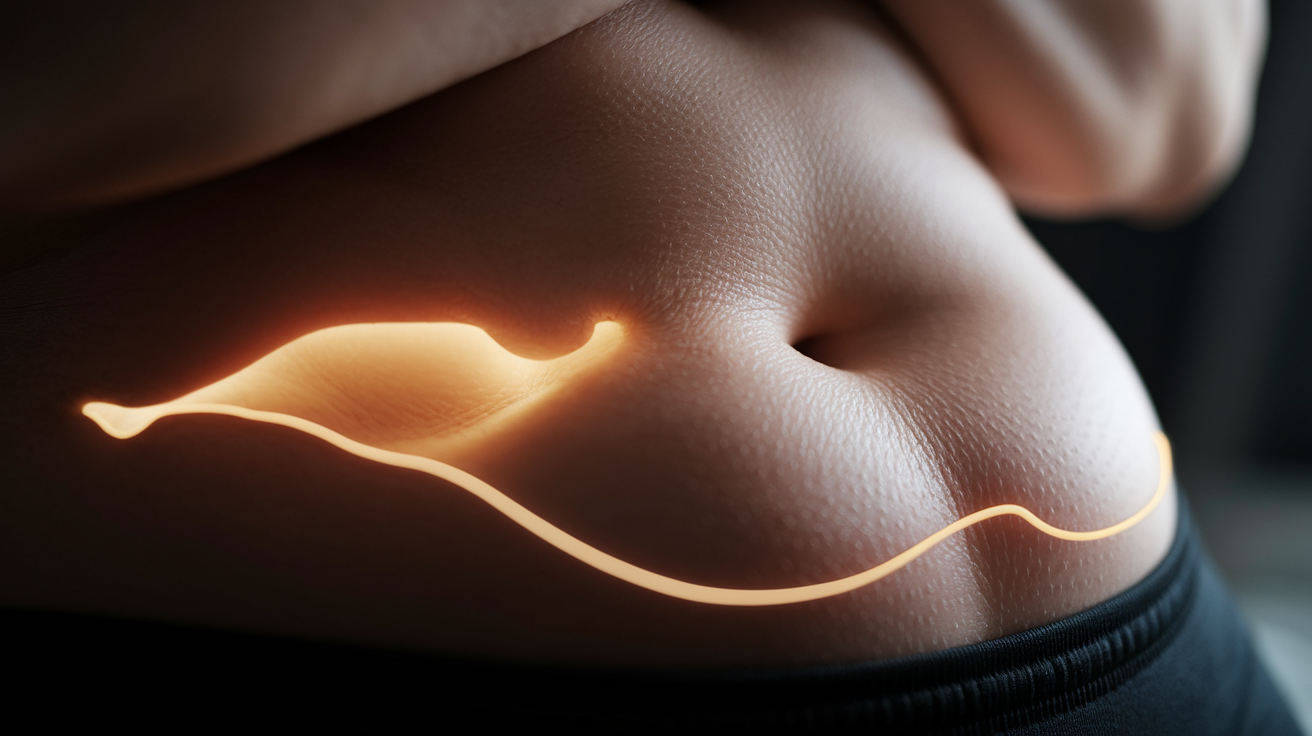
Diaphragmatic breathing shifts the work of breathing from your chest to your diaphragm, the dome shaped muscle below your lungs. This simple adjustment increases oxygen exchange, reduces unnecessary tension in your neck and shoulders, and sends a clear “safe” signal to your nervous system.
How to Practice Diaphragmatic Breathing
- Sit comfortably or lie on your back with knees bent.
- Place one hand on your chest and the other on your belly, just below your ribcage.
- Inhale slowly through your nose, letting your belly rise while your chest stays relatively still.
- Exhale naturally through your nose or mouth, feeling your belly fall.
- Continue for 1 to 5 minutes, focusing on the rhythm of your abdomen rising and falling.
Regular diaphragmatic breathing lowers your resting heart rate, releases chronic muscle tension, and sharpens your ability to focus under pressure. Many people notice they can think more clearly and feel physically lighter after just a few minutes of belly breathing. The technique retrains your body’s default breathing pattern, which often shifts to shallow chest breathing during prolonged stress.
Use diaphragmatic breathing before sleep to help your body transition into rest mode. During chronic stress periods to restore baseline calm. Or as part of a morning routine to set a steadier tone for the day. Even short sessions while watching TV or waiting in line add up over time.
Alternate Nostril Breathing for Balance and Calm
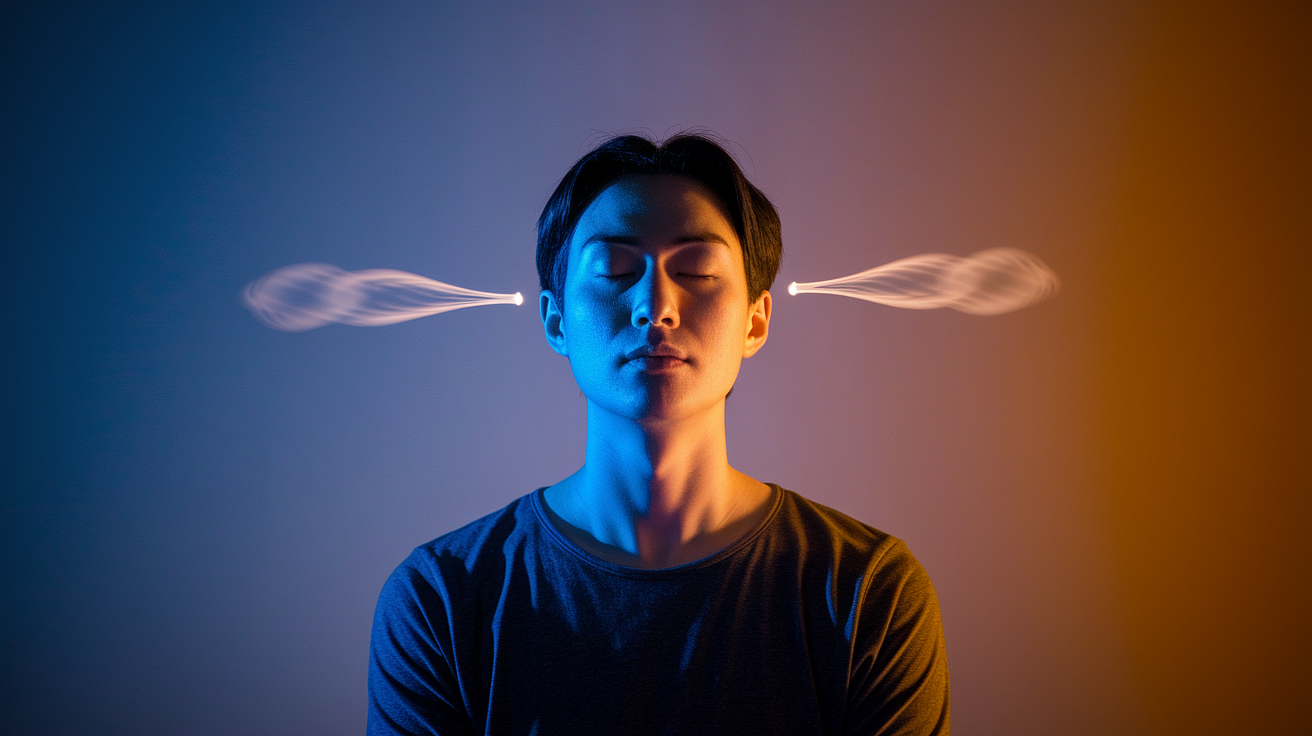
Alternate nostril breathing (also called nadi shodhana in yoga) balances activity between the two hemispheres of your nervous system. The practice steadies your mind, reduces scattered thoughts, and creates a sense of centered calm that’s especially helpful when stress feels uneven or reactive.
How to Practice Alternate Nostril Breathing
- Sit upright with your spine neutral and shoulders relaxed.
- Use your right thumb to gently close your right nostril.
- Inhale slowly through your left nostril.
- Close your left nostril with your right ring finger and release your right nostril.
- Exhale fully through your right nostril.
- Inhale through the right nostril, then close it and exhale through the left. This completes one full cycle.
Alternate nostril breathing helps when you need a mental reset midday, before meditation, or when your stress feels more cognitive than physical. Racing thoughts, difficulty concentrating, mental fatigue. The method requires a bit of coordination, so practice in a quiet setting first before trying it during active stress. Most people find 3 to 10 cycles is enough to feel noticeably calmer and more focused. If you have nasal congestion or breathing restrictions, this technique may feel uncomfortable. Switch to diaphragmatic breathing or box breathing instead.
How Deep Breathing Affects the Body
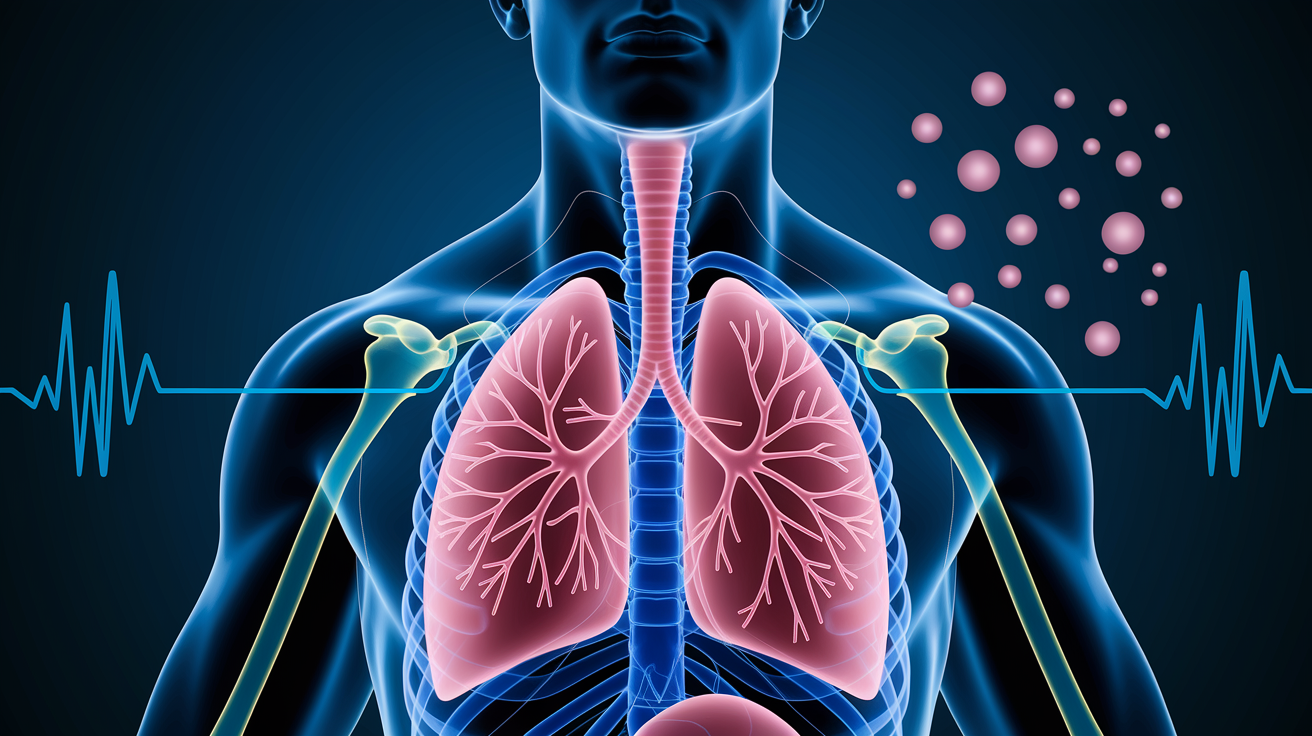
Slow, deliberate breathing reduces sympathetic nervous system activation, the part of your body responsible for fight or flight responses. Each long exhale stimulates the vagus nerve, which runs from your brainstem to your abdomen and acts as a brake on stress. When you extend your exhale or hold your breath briefly, vagal tone increases, heart rate drops, and your body begins to release the tension it built up during stress.
At the same time, controlled breathing lowers cortisol, the primary stress hormone that accumulates during chronic pressure. Studies from 2018 and 2019 show that deliberate breathwork can produce measurable drops in blood pressure and self reported stress within minutes. The effect isn’t just psychological. Your physiology is actively shifting from a state of arousal to one of recovery.
Consistent practice increases your resilience to stress over time. Regular breathing exercises retrain your autonomic nervous system to recover faster after stressful events and to maintain a steadier baseline even when life gets chaotic. Think of it like building muscular endurance. The more you practice, the easier it becomes for your body to downshift when you need it to.
Avoiding Common Mistakes and Building a Daily Routine
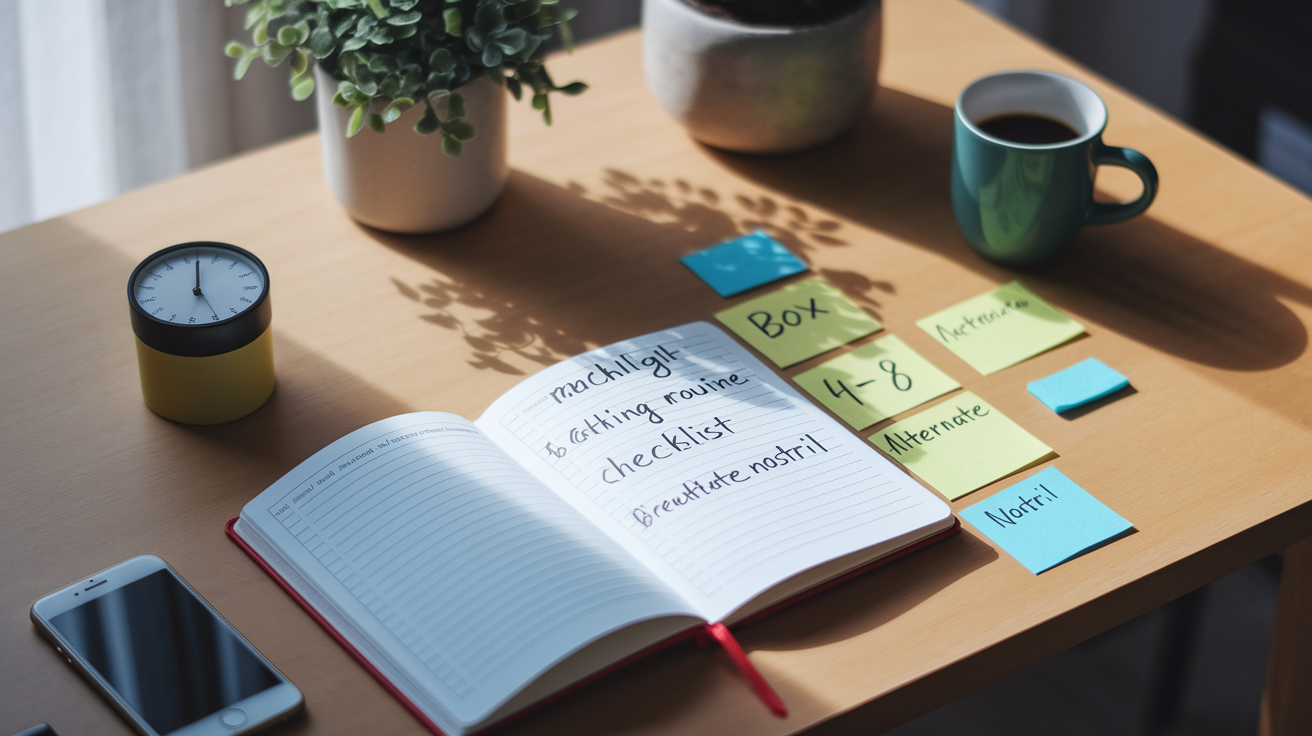
Most beginners make three mistakes that reduce the effectiveness of breathing exercises. They breathe too shallowly by lifting only the chest, they rush through the counts trying to finish quickly, and they practice inconsistently instead of building a steady habit. Shallow chest breathing doesn’t engage the diaphragm, so the nervous system doesn’t receive the calming signal. Rushing defeats the purpose. Slow, steady cycles are what activate the parasympathetic response. Inconsistent practice means your body never learns the pattern well enough to respond automatically when stress hits.
To integrate breathing into daily life, anchor short sessions to existing routines and stress points.
Practice 1 to 3 minutes of diaphragmatic breathing right after waking up, before checking your phone. Use box breathing for 4 to 8 cycles before meetings, phone calls, or any moment when you feel your heart rate rising. Try the 4‑7‑8 method for 2 to 4 cycles as part of your pre sleep wind down. Set a midday reminder to do 10 rounds of alternate nostril breathing during lunch or an afternoon slump. Keep a breathing exercise as your first response when you feel tension building, before scrolling, snacking, or venting.
Different techniques fit different moments. If you need to stay alert and focused, use box breathing or belly breathing. If you want to wind down or prepare for sleep, the 4‑7‑8 method works best. If your mind feels scattered or reactive, alternate nostril breathing helps restore balance. Start with whichever method feels easiest and layer in others as you get comfortable. Even one technique practiced daily will shift how your body handles stress.
Final Words
You learned quick, usable breathing tools: box breathing and 4‑7‑8 for instant calm, diaphragmatic (belly) breathing for deeper relaxation, alternate‑nostril for balance, plus the science and common mistakes to avoid.
Try one method now—2–5 minutes after a tense call, before a meeting, or as part of your bedtime routine. Short, regular practice beats occasional perfection.
Use these deep breathing exercises for stress relief consistently. Small, repeated breaths add up to more calm and clearer focus over time.
FAQ
Q: How do you relieve stress in 5 minutes?
A: To relieve stress in five minutes, do box breathing (inhale 4, hold 4, exhale 4, hold 4) for 3–5 rounds, follow with a quick body scan and a slow sip of water.
Q: Does deep breathing actually reduce stress?
A: Deep breathing does reduce stress: slow, longer exhales stimulate the parasympathetic system, lower heart rate and cortisol, and can calm anxiety—effects grow with regular, proper practice.
Q: What are the 4 A’s of stress management? What are the 5 A’s of stress management?
A: The 4 A’s of stress management are Avoid (reduce triggers), Alter (change situations), Adapt (build coping), and Accept (let go of what you can’t change). A common 5‑A model adds Assess (evaluate needs).