
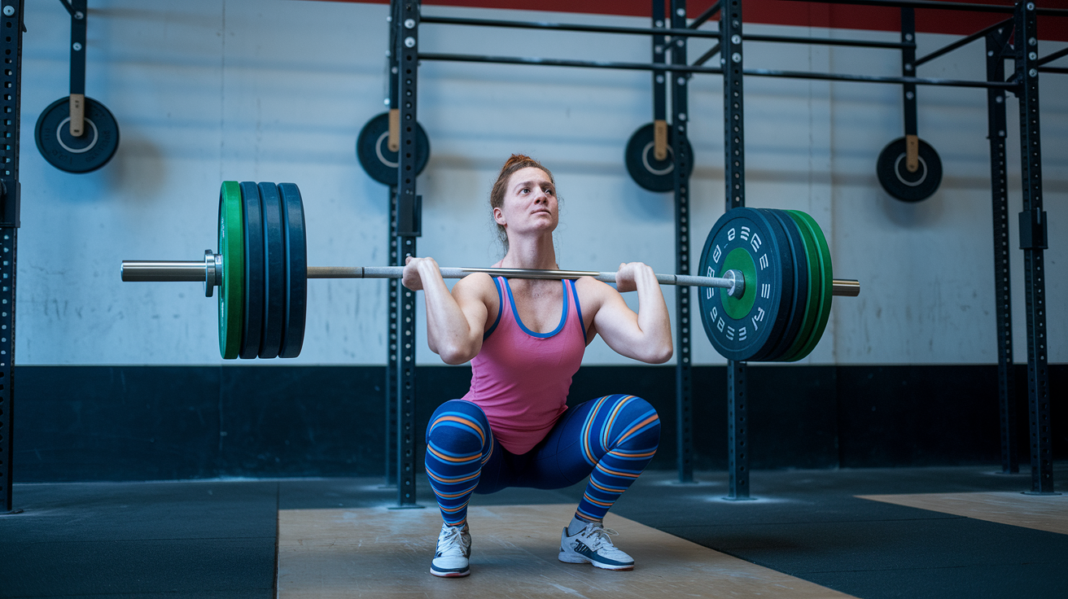

What if the secret to moving easier all day isn’t more cardio or isolated biceps curls, but a handful of compound moves you learn once and use everywhere?
Compound, multi-joint exercises train patterns your body actually uses — squats, deadlifts, presses, rows, and loaded carries.
They build coordinated strength, balance, and stability so lifting groceries, climbing stairs, or getting off the floor becomes easier.
This post lays out the key compound exercises, why they matter for real life, and simple progressions you can start doing this week.
Core Functional Multi-Joint Exercises for Real-World Strength
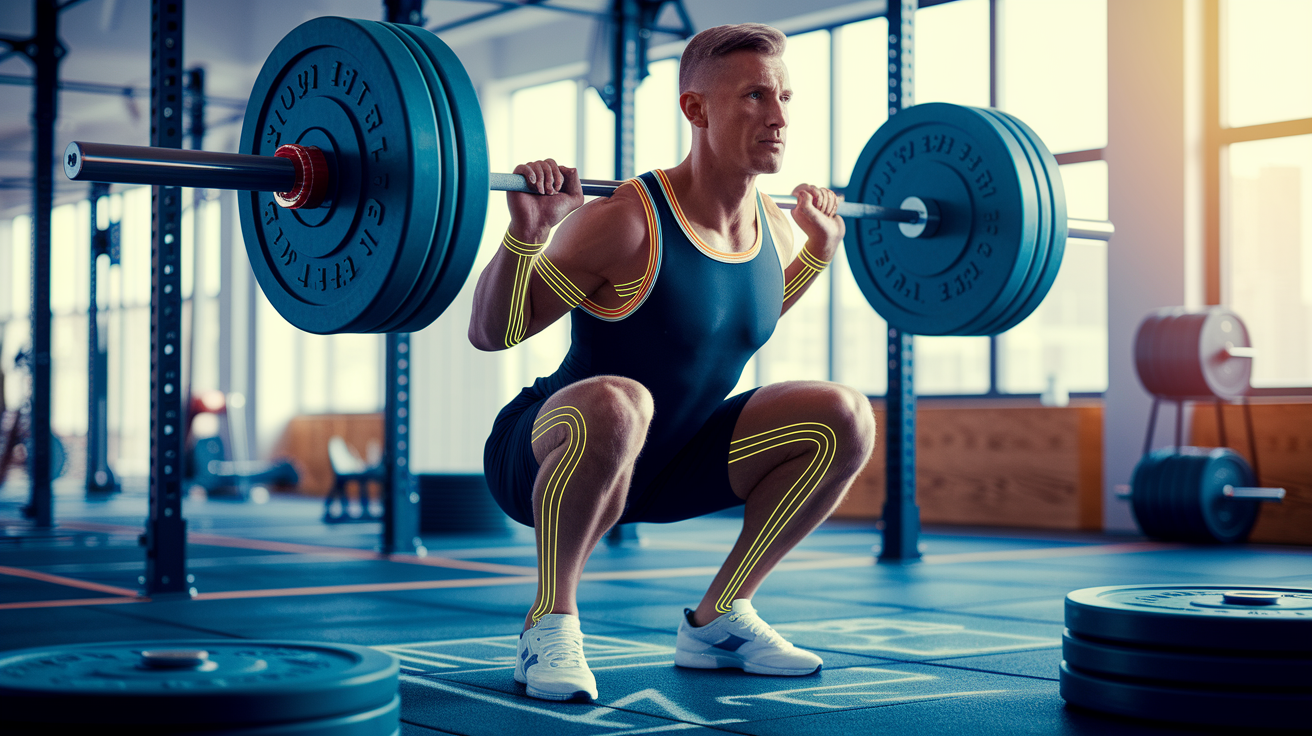
Multi-joint exercises recruit large muscle groups and train your body to generate force across multiple joints at once. That coordination is exactly what happens when you lift a box from the floor, push open a heavy door, or carry bags up a flight of stairs.
Single-joint movements have their place. But functional strength? That comes from training patterns your body actually uses every day. The exercises below mirror those patterns, so the strength you build transfers directly to real tasks.
- Squat – Mimics sitting, standing, and lifting objects from ground level.
- Deadlift – Trains the hip hinge pattern used whenever you pick something up off the floor.
- Overhead Press – Builds the vertical push needed to place items on high shelves or lift objects overhead.
- Bent-Over Row – Strengthens the horizontal pull for tasks like opening doors, pulling luggage, or moving furniture.
- Push-Up or Bench Press – Develops horizontal pushing power for pushing heavy objects or getting up from the ground.
- Lunge or Step-Up – Trains single-leg strength and balance for climbing stairs, stepping onto curbs, or navigating uneven ground.
- Loaded Carry (Farmer’s Walk) – Simulates carrying groceries, suitcases, or children while maintaining posture and core control.
What Makes an Exercise “Functional”?

An exercise is functional when it trains coordinated, multi-planar movement patterns that match the physical tasks you perform regularly. That means engaging multiple joints, recruiting stabilizer muscles, and moving through ranges of motion your body uses in daily life. Lifting, bending, twisting, pushing, and pulling.
Functional multi-joint exercises emphasize movement quality over isolated muscle contraction. A biceps curl trains one muscle through one joint. A bent-over row trains your back, shoulders, core, and grip while reinforcing the hip hinge and postural control you need when you lean over to pick up a laundry basket or tie your shoes. Functional training prioritizes how muscles work together, not how one muscle looks in the mirror.
Benefits of Functional Compound Training

Compound training improves joint stability by teaching muscles to work as coordinated systems. When your core, hips, and shoulders fire in sequence, each joint experiences less isolated stress. Your risk of compensatory injury drops.
Movement efficiency increases because your nervous system learns to recruit the right muscles at the right time. That improved motor control means you can generate more force with less wasted effort, whether you’re lifting a couch or sprinting to catch a bus.
Metabolic efficiency rises as well. Multi-joint exercises burn more calories per minute than isolation work because they demand energy from large muscle groups simultaneously. You also build power production, the ability to generate force quickly. That matters when you need to catch yourself on a slippery surface or react fast to avoid a fall.
Detailed Breakdown of Key Functional Compound Exercises

Squat
The squat trains the movement pattern your body uses every time you sit down and stand up. It engages your quads, glutes, hamstrings, and core while reinforcing the hip and knee coordination required to lift objects from ground level or pick up a toddler.
In daily life, you squat to tie your shoes, get in and out of a car, or lower yourself onto a low chair. Training the squat under load builds the strength and control to perform those tasks without strain, especially as you age or carry extra weight.
Deadlift
The deadlift is a pure hip hinge. You push your hips back, maintain a flat back, and drive your hips forward to lift a load. That pattern is exactly what you do when you pick up a bag of dog food, lift a suitcase into an overhead bin, or move a box from the floor to a table.
The deadlift trains your glutes, hamstrings, lower back, and core to work as a single kinetic chain. When those muscles fire together, your spine stays protected and your lifting capacity increases.
Overhead Press
The overhead press builds vertical pushing strength. You press a weight from shoulder height to full arm extension overhead, engaging your shoulders, triceps, upper back, and core.
Daily tasks like placing dishes on a high shelf, lifting a bag into an overhead compartment, or pressing a window open all rely on that same vertical push pattern. The overhead press also trains shoulder stability, which helps prevent rotator cuff injuries during reaching and lifting.
Row
The row is a horizontal pull. You hinge at the hips, maintain a neutral spine, and pull a weight toward your torso by squeezing your shoulder blades together. That movement strengthens your lats, rhomboids, rear delts, and biceps while reinforcing postural control.
Rows counteract the forward shoulder posture many people develop from sitting and looking at screens. They also build the pulling strength you need to open heavy doors, pull a lawn mower cord, or drag a suitcase across the floor.
Loaded Carry Variations
Loaded carries train your body to stabilize under an external load while moving. You pick up a heavy weight in one or both hands and walk. That simple act demands core bracing, postural control, grip strength, and coordinated movement.
Farmer’s walks, suitcase carries, and overhead carries all mimic real-world tasks. Carrying groceries, hauling luggage, holding a child on one hip. They also expose and correct left-right imbalances because your core has to work harder to keep you upright when the load is uneven.
Proper Technique and Form Cues for Functional Strength
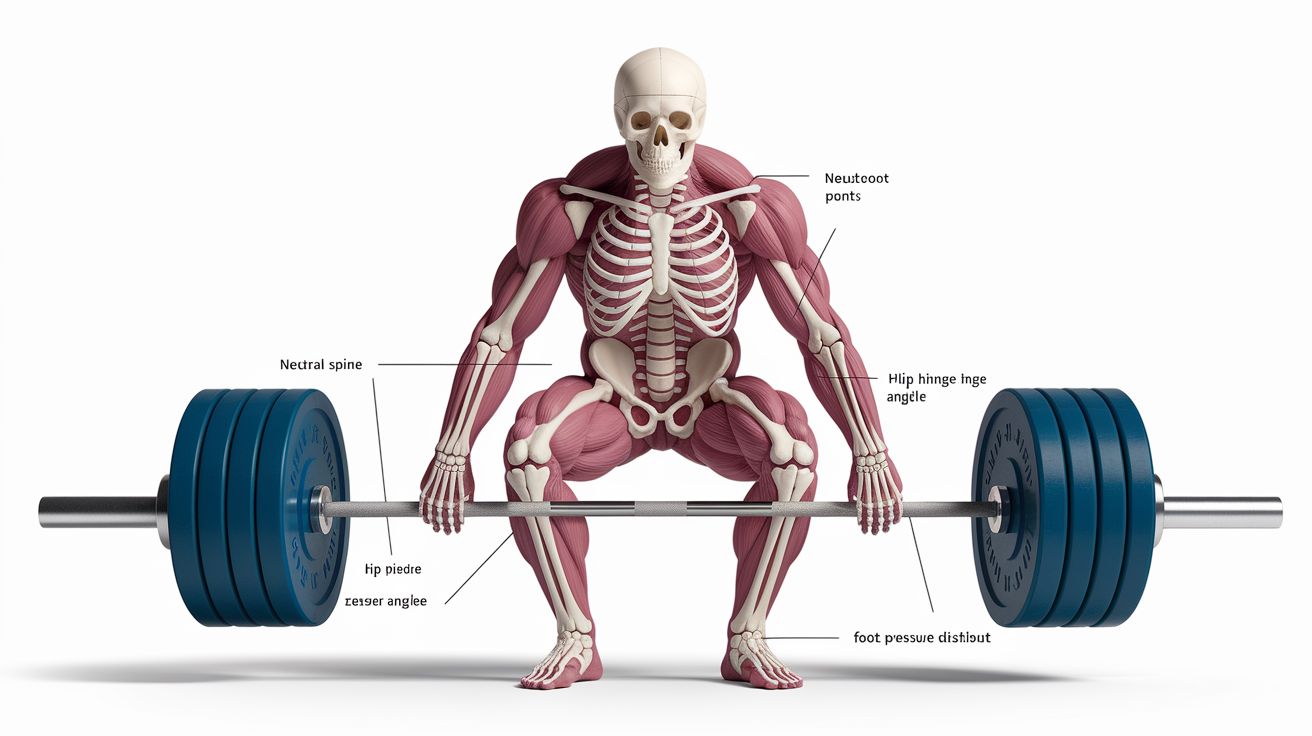
Correct joint alignment and bracing improve force transfer and reduce injury risk. When your joints stack properly, your muscles can generate maximum force without compensating through vulnerable structures like your lower back or knees.
Bracing your core before every rep creates intra-abdominal pressure that stabilizes your spine. Think about tightening your midsection as if someone’s about to poke you in the stomach. That tension protects your back during heavy lifts and keeps your torso rigid during carries and presses.
Universal technique cues include:
- Neutral spine – Avoid excessive rounding or arching, maintain the natural curves of your spine from neck to tailbone.
- Foot pressure – Push through your full foot (heel, midfoot, and ball) rather than shifting weight to your toes or heels alone.
- Hip engagement – Squeeze your glutes at the top of squats, deadlifts, and bridges to fully extend your hips and protect your lower back.
- Shoulder position – Keep your shoulder blades pulled back and down during rows and presses to maintain joint stability.
- Controlled tempo – Lower weights with control (2 to 3 seconds) to build strength through the full range of motion and reduce injury risk.
- Breathing pattern – Inhale before the hard part of the lift, brace, then exhale as you push or pull through the concentric phase.
Progressions and Regressions for Functional Compound Exercises

Proper scaling ensures consistency in movement patterns before increasing load or complexity. If your form breaks down under a given weight, regress the movement until you can complete every rep with control and correct alignment.
Progressions add load, range of motion, instability, or tempo challenges. Regressions reduce those variables so you can practice the movement pattern safely. Both directions are valuable. You regress to learn or recover, and you progress to build strength and power.
| Progression/Regression | Exercise | Movement Pattern |
|---|---|---|
| Regression | Box Squat | Squat to a box or bench to limit depth and build confidence at the bottom position. |
| Standard | Goblet Squat | Hold a dumbbell or kettlebell at chest height and squat to parallel. |
| Progression | Front Squat to Press | Squat with weight at shoulders, then press overhead as you stand. |
| Regression | Trap-Bar Deadlift | Step inside a trap bar to reduce lower-back demand and simplify the hip hinge. |
| Standard | Romanian Deadlift | Hinge at hips with a slight knee bend, lower weight to mid-shin, and return. |
| Progression | Single-Leg Romanian Deadlift | Perform the hinge on one leg to increase balance demand and unilateral strength. |
Sample Functional Strength Training Routines
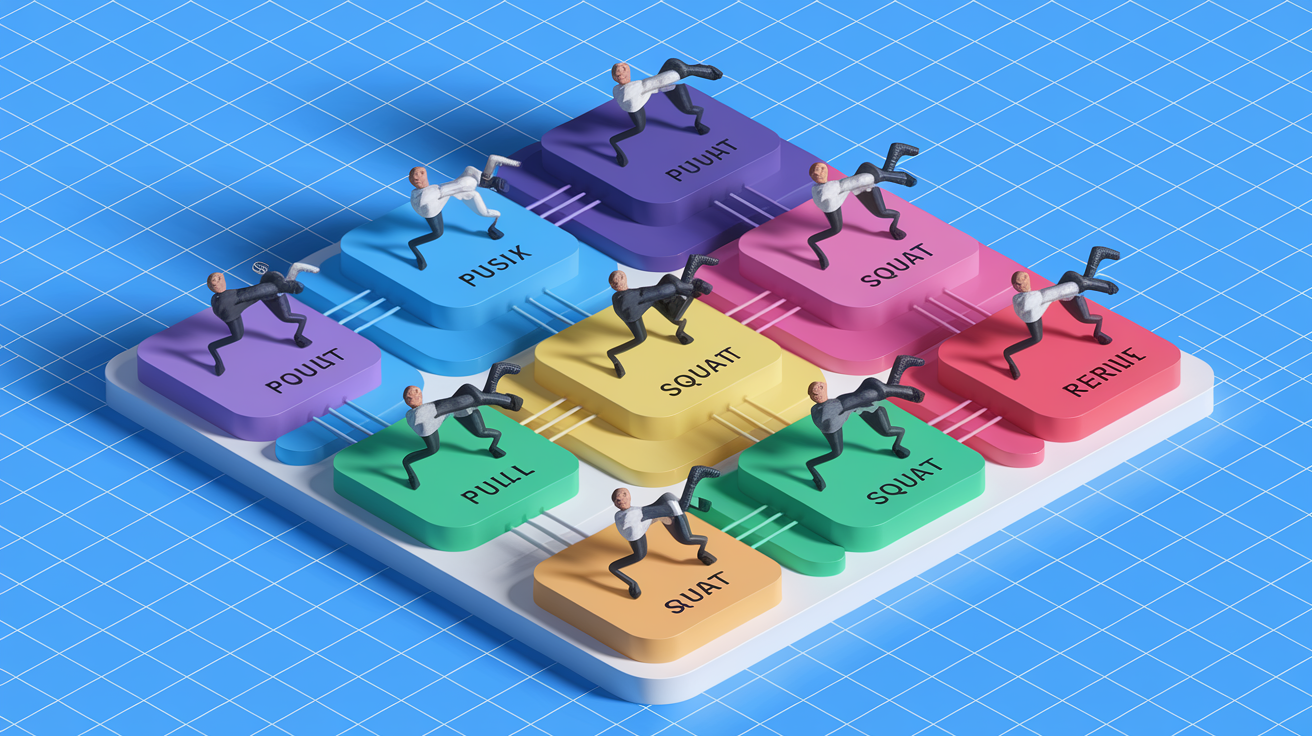
Balanced routines distribute push, pull, hinge, squat, carry, and rotation patterns across sessions. You can train full-body every session or split patterns across different days, as long as each major movement appears at least twice per week.
A single session structure might look like this:
- Warm-up – 5 minutes of dynamic stretching, leg swings, arm circles, and light movement to raise core temperature.
- Primary compound lift – Choose one heavy multi-joint exercise (squat, deadlift, or press) and perform 3 to 4 sets of 5 to 8 reps with 2 to 3 minutes rest.
- Secondary compound movements – Pick 2 to 3 exercises from different patterns (row, lunge, overhead press) and complete 3 sets of 8 to 12 reps with 90 seconds rest.
- Carry or stability work – Farmer’s walk, suitcase carry, or plank variation for 2 to 3 sets of 30 to 60 seconds.
- Cool-down – Light stretching or foam rolling for 5 minutes.
A sample weekly plan for three sessions might include:
- Monday – Goblet squat (3×10), dumbbell row (3×10 each arm), overhead press (3×8), farmer’s walk (2×40 seconds).
- Wednesday – Romanian deadlift (3×8), push-up (3×12), reverse lunge (3×10 each leg), suitcase carry (2×30 seconds each side).
- Friday – Front squat to press (3×8), bent-over row (3×10), Bulgarian split squat (3×8 each leg), plank with shoulder taps (2×30 seconds).
Compound vs. Isolation Exercises for Functional Strength

Compound exercises improve coordinated muscle recruitment. When you squat, your quads, glutes, hamstrings, core, and calves all fire in sequence to move the load. That coordination is exactly what your body does during real-world tasks.
Isolation movements target single muscles and have limited real-world transfer. A leg extension trains your quads through one joint, but it doesn’t teach your body how to stabilize your hips, brace your core, or coordinate a full-body lift. Isolation work is useful for correcting specific imbalances or rehabilitating an injury. But it shouldn’t form the foundation of a functional strength program.
Key comparison points include:
- Muscle recruitment – Compound exercises engage multiple muscle groups, isolation exercises target one muscle.
- Real-world transfer – Compound movements mimic daily tasks, isolation exercises rarely do.
- Time efficiency – Compound lifts train more muscles per set, reducing total workout time.
- Calorie burn – Multi-joint exercises demand more energy and produce higher metabolic cost.
- Programming priority – Build your routine around compound lifts, then add isolation work only if you have a specific goal or weakness to address.
Final Words
You learned the top multi‑joint moves, what makes an exercise functional, the real benefits, key form cues, progressions, and sample routines.
Start small: pick two compound movements from the list, practice form twice a week, and add load or complexity only when the pattern feels solid.
Focusing on compound exercises for functional strength gives the most carryover to daily tasks, and small, steady steps add up. You’ll notice practical changes in daily life within a few weeks.
FAQ
Q: What are functional strength compound exercises and what are the best exercises for functional strength?
A: Functional strength compound exercises are multi‑joint moves that build practical force for daily tasks; the best ones are squat, deadlift, lunge, overhead press, bench press, row, and loaded carries (lifting, pushing, pulling, carrying).
Q: What is the 3 3 3 rule at the gym?
A: The 3 3 3 rule at the gym is a simple strength format: three sets of three reps using heavy loads to build raw strength on core compound lifts, with full rest between sets.
Q: What are the big 5 compound lifts?
A: The big 5 compound lifts are squat, deadlift, bench press, overhead press, and row, foundational multi‑joint moves that build whole‑body strength and help with everyday pushing, pulling, and lifting.