


Your bedroom might be sabotaging your sleep more than late-night scrolling.
You don’t need to gut the room or spend a lot to fix it.
Start with three simple signals: darkness, cool air, and quiet.
This checklist walks you through quick, low-cost steps you can do tonight—adjust lights and temperature, block noise, tweak bedding and air—and explains why each change matters.
Do them in 20 minutes and track whether you fall asleep faster or wake less.
You may be surprised how much a few tweaks make.
Immediate Sleep Environment Optimization Steps for a Better Night’s Rest

You don’t need to gut your bedroom or drop a paycheck to sleep better. Real improvements start when you dial in three things: darkness, cool air, and quiet. That’s the base layer. Everything else builds from there.
Start by checking where you actually are. The research points to 60–67°F, less than 10 lux of light (which is pretty much total darkness), and under 30 dB of background noise. If those numbers sound technical, here’s the gut check version. If you can see your dresser without squinting, it’s too bright. If your thermostat’s above 70°F, you’re too warm. If you can pick out specific sounds from the hallway or street, it’s too loud.
Here’s what you can fix tonight:
Set your thermostat between 60 and 67°F before bed. Close the bedroom door and any windows.
Close blackout curtains that block at least 90% of outside light. You want total darkness at eye level.
Move your phone, tablet, and laptop off the nightstand. Better yet, charge them in another room.
Drop in foam earplugs (rated NRR 25 to 33 dB) or switch on a white noise machine at 40 to 50 dB to cover random sounds.
Clear your nightstand down to three things. Alarm clock, water, maybe a book.
Turn off or unplug anything with a glowing LED or standby light.
Dim your overhead lights to under 10 lux during the hour or so before you want to sleep.
Swap to breathable sheets and a mattress protector if your current bedding holds heat.
Use a sleep mask if you can’t get the room dark enough tonight.
Move your bed away from street windows or shared walls where noise gets through.
These adjustments cost almost nothing and take maybe 20 minutes. If you fall asleep faster or wake up less, you’ve found what matters in your space. Track it, then keep going.
Optimizing Bedroom Lighting for a Sleep-Friendly Checklist
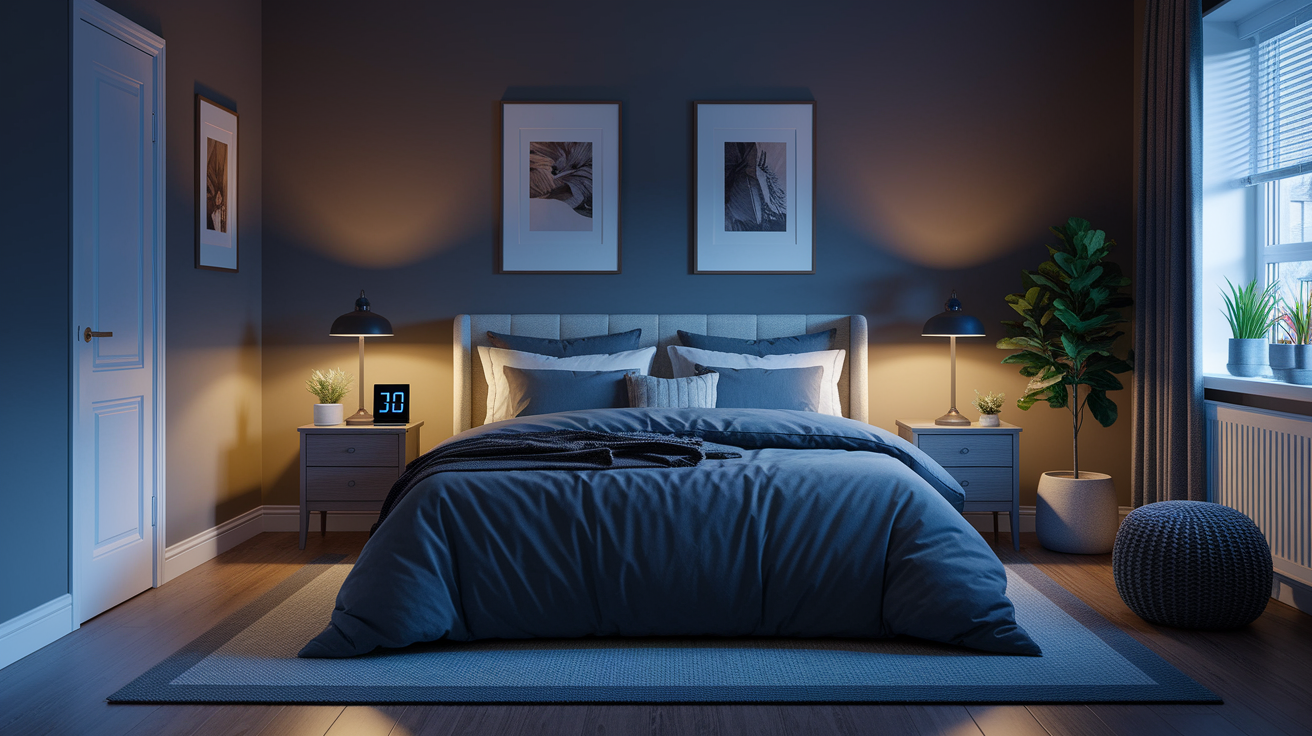
Light’s the biggest cue your brain uses to figure out if it’s time to sleep or stay awake. When your eyes catch blue-rich light over 30 lux in the evening, melatonin production slows down. That’s why scrolling under bright lights at 10 PM feels totally fine until you realize you’re still awake 45 minutes later. Your job here is simple. Get evening light under 10 lux and shift toward warm tones (2700K or lower) in the hour before bed.
Blackout curtains are the single best upgrade for keeping things dark overnight. A solid set runs $25 to $60 and should block over 90% of streetlights, headlights, and sunrise. Can’t install curtains? Blackout shades work. So do thick blankets pinned over the window if you’re in a pinch. For middle of the night bathroom trips, use a red or amber night light under 5 lux. Keep it low to the ground and leave the bathroom door mostly closed so the spill doesn’t flood back into your room.
Here’s what to handle first:
Install blackout curtains or cellular shades on every bedroom window. Zero visible light gaps around the edges.
Replace bright white bulbs (5000K and up) with warm bulbs at 2700K or lower in bedside lamps and overhead fixtures.
Add dimmer switches or smart bulbs (about $10 to $40 each) so you can step down brightness during your wind down routine.
Turn on your phone’s blue light filter or night mode at least 90 minutes before bed. Or grab blue blocking glasses for $10 to $50 if you need screens late.
Keep a small flashlight or motion activated path light (under 5 lux, warm spectrum) handy so you don’t have to flip overheads.
When you dim lights and cut blue spectrum cues, your brain gets a clear message that it’s nighttime. Pair that with consistent timing and your sleep latency should drop within a few nights.
Temperature Settings and Bedding Choices for an optimized Sleep Environment

Your core body temperature drops about one degree as you fall asleep, then stays lower all night. A bedroom that’s too warm fights that signal and bumps you between sleep stages or pulls you awake. That’s why the range sits at 60 to 67°F. It supports your body’s cooling process without making you uncomfortable. If you run cold, add a blanket instead of cranking the thermostat over 67°F. If you run hot, keep the room at the lower end and use lighter covers.
Your bedding and mattress directly shape how well your body regulates temperature overnight. Memory foam mattresses can trap heat unless they’ve got gel layers or open cell construction. Innerspring and hybrid mattresses usually breathe better. Can’t replace your mattress right now? A cooling mattress topper ($50 to $300) can improve airflow and comfort. Pillows lose support and collect allergens over time. Replace them every 12 to 24 months, especially if you’re waking with neck pain, headaches, or arm numbness. The right pillow keeps your spine aligned based on how you sleep (side, back, or stomach).
Choosing Bedding That Supports Temperature Balance
Sheets, protectors, and covers all change how heat and moisture move. Synthetic fabrics trap warmth and moisture. Natural or semi synthetic fibers help regulate temperature and feel better against your skin. Here’s what to go after:
Mattresses: Replace every 7 to 10 years or sooner if you see sagging over 1.5 inches, new pressure points, or wake up stiff. Mid range options run $700 to $1,500, premium models $1,500 and up.
Pillows: Pick firmness based on sleep position. Side sleepers need higher loft, back sleepers medium, stomach sleepers low. Replace every 1 to 2 years. Typical range is $20 to $120.
Sheets: Go with breathable materials like cotton percale (crisp, cool), linen (moisture wicking), or TENCEL (smooth, temperature regulating). Wash weekly and replace every 1 to 3 years.
Mattress protectors: Use a fitted, breathable protector ($15 to $60) to block allergens, moisture, and dust mites without trapping heat.
Toppers and covers: Add a 2 to 3 inch cooling gel or latex topper if your mattress sleeps too firm or too warm. Budget $50 to $300 depending on size and material.
Match your thermostat setting with bedding that breathes. If you’re layering a heavy comforter in a 70°F room, you’re working against your body’s cooling signal. Keep the room cool and adjust covers to personal comfort.
Noise Reduction Strategies to Strengthen Your Sleep Environment Checklist
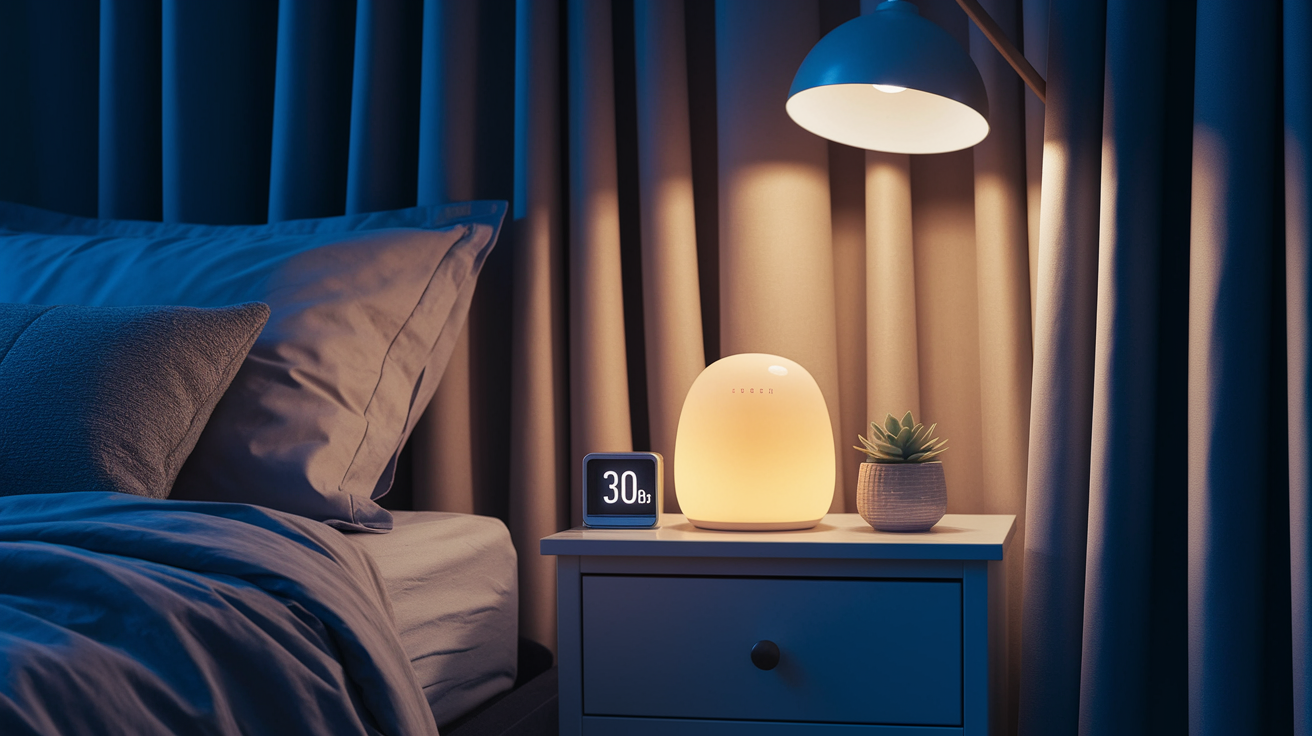
Noise doesn’t have to be loud to mess with your sleep. Intermittent sounds (a door closing, a car horn, your neighbor’s TV) can yank you out of deep sleep even if you don’t fully wake. The goal is to keep steady background noise under 30 dB (about the sound of rustling leaves) or mask unpredictable noise with consistent sound at 40 to 50 dB. White noise machines, fans, and sound apps all work by creating a steady audio blanket that makes sudden spikes less jarring.
Can’t control the noise source? You’ve got three options: mask it, block it, or move away from it. Masking is fastest and cheapest. A white noise machine runs $25 to $150 and produces consistent sound across frequencies. Foam earplugs with an NRR (Noise Reduction Rating) of 25 to 33 dB cost under $20 for a multi pack and handle light to moderate noise. If noise comes through windows, add weatherstripping, hang heavy curtains, or use window inserts. Coming through shared walls? Rearrange furniture so your bed’s against an interior wall, or add soft materials (rugs, wall hangings) to dampen sound transmission.
| Noise Solution | Effectiveness | Specs/Targets |
|---|---|---|
| White noise machine or fan | High for masking intermittent sounds | 40–50 dB output; place 3–6 feet from bed |
| Foam or silicone earplugs | High for blocking steady and peak noise | NRR 25–33 dB; replace every few weeks |
| Blackout curtains (heavy fabric) | Moderate for sound dampening | Reduces window transmission by ~10–20%; best combined with white noise |
Measure your baseline noise with a smartphone app that reads decibels. If you’re consistently above 30 dB and can’t reduce the source, masking or earplugs become necessary. Combining both (low volume white noise plus earplugs) works well for very noisy environments and still lets you hear alarms or urgent sounds.
Air Quality, Humidity, and Allergen Control for a High-Quality Sleep Environment
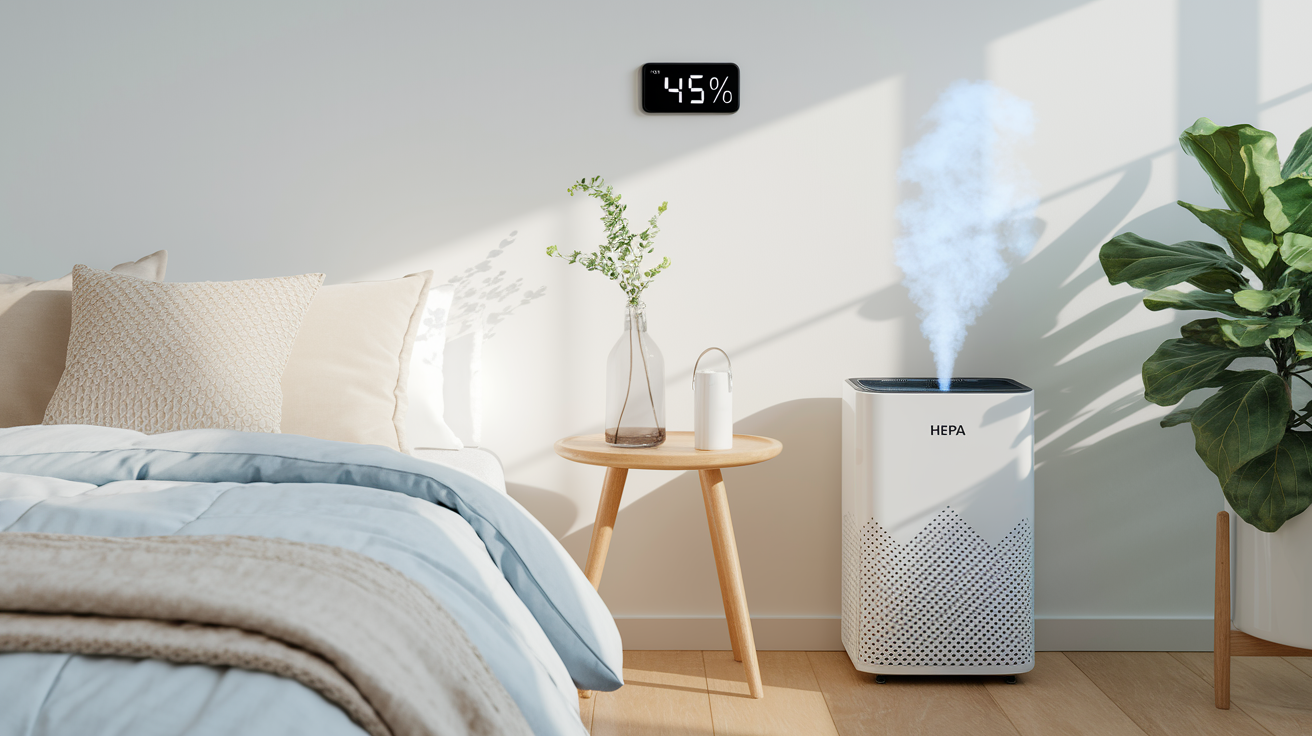
Air quality shapes how easily you breathe at night and whether you wake with congestion, dry throat, or irritation. Indoor humidity should stay between 30 and 50 percent. Below 30 percent, your nasal passages and throat dry out. Above 50 percent, dust mites and mold thrive. A simple hygrometer ($10 to $30) measures relative humidity so you know whether to add a humidifier in winter or run a dehumidifier in summer.
Airborne allergens (dust, pet dander, pollen) can trigger low grade inflammation that disrupts sleep even if you don’t notice symptoms during the day. A HEPA air purifier with a Clean Air Delivery Rate (CADR) of 150 to 300 is right for medium to large bedrooms and costs $100 to $400. Run it continuously or at least for the two hours before bed and overnight. Check the manufacturer’s schedule for filter replacement (typically every 6 to 12 months) and mark it on your calendar so you don’t run a clogged filter that recirculates particles.
Your HVAC system matters too. Standard furnace filters should be replaced every 1 to 3 months depending on household factors like pets, cooking, and outdoor air quality. Upgrading to a MERV 11 to 13 filter improves particle capture without restricting airflow in most systems. Got allergies or asthma? Keep windows and doors closed at night to reduce outdoor pollen and pollutants, then run a purifier to maintain clean air in the sealed space.
Quick air quality actions:
Place a hygrometer in your bedroom and adjust humidity to 30 to 50% using a humidifier ($30 to $150) or dehumidifier ($150 to $400) as needed.
Run a HEPA air purifier sized to your room’s square footage. Check CADR rating and filter replacement schedule at purchase.
Replace HVAC filters every 1 to 3 months. Consider upgrading to MERV 11 to 13 if your system supports it.
Keep bedroom doors and windows closed overnight to prevent outdoor allergens and temperature swings. Run the purifier continuously or on a timer.
Breathing clean, properly humidified air cuts down on how many times you wake to adjust position, clear your throat, or deal with nasal congestion. It’s a low visibility upgrade that compounds over weeks.
Electronics Management and Bedroom Tech Rules for Your Optimization Checklist

Phones, tablets, laptops, and TVs all put out blue rich light and deliver notifications that trigger alertness. Even when screens are off, charging indicators, standby LEDs, and Wi-Fi signals create low level stimulation. The simplest rule is this: if it has a screen or a glowing light, it doesn’t belong in the bedroom. Charge devices in another room, use a traditional alarm clock, and set your phone to airplane mode or Do Not Disturb if you absolutely need it nearby for emergencies.
Blue light isn’t bad by itself, but exposure after sunset delays melatonin release. Most devices now include a night mode or blue light filter that reduces blue wavelengths by roughly 90 percent. Turn it on at least 90 minutes before bed. Working late on a laptop or need to use screens in the evening? Blue blocking glasses ($10 to $50) can reduce exposure without changing your device settings. Still, the best move is to stop using screens entirely in the hour before sleep and replace that time with dim light activities like reading a physical book, stretching, or prepping the next day’s clothes.
Key electronics rules:
Remove TVs, gaming consoles, and computers from the bedroom entirely. Or power them down and unplug charging cables to kill standby lights.
Charge phones, tablets, and laptops outside the bedroom. Use a traditional alarm clock or a dedicated sunrise alarm clock instead.
Set devices to night mode or enable blue light filters starting 90 minutes before your target bedtime. Consider blue blocking glasses if you must use screens.
Cover or tape over any remaining LEDs on air purifiers, humidifiers, or other bedroom devices that produce light.
Turn off Wi-Fi routers or move them to another room if you’re sensitive to electromagnetic fields, or use airplane mode on all personal devices overnight.
When electronics leave the bedroom, notifications stop interrupting your wind down routine and light pollution drops. You’ll also cut the temptation to check messages or scroll when you wake in the middle of the night.
Layout, Visual Calm, and Decluttering Methods for a Better Sleep Environment
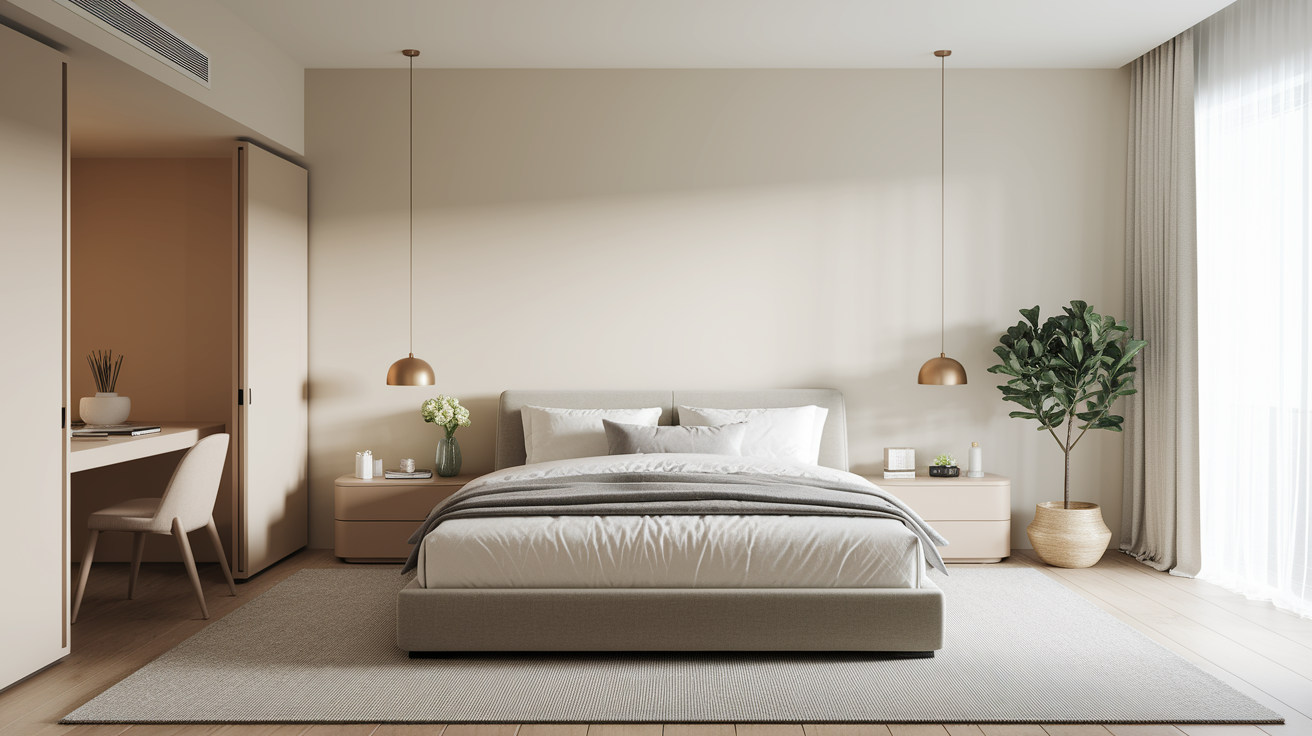
Clutter sends a low level signal that there’s unfinished business. A pile of laundry, a stack of bills, or work papers on the nightstand all remind your brain that tasks are pending. That cognitive noise makes it harder to relax. The goal is to make your bedroom visually calm and dedicated to sleep. Limit visible items on surfaces to three to five essentials (a glass of water, an alarm clock, a book) and store everything else out of sight.
Bed placement matters too. Position your bed so it’s the visual focus of the room and, if possible, away from street facing windows where light and noise enter. Avoid placing the bed directly under a window or against a shared wall with a noisy neighbor. If your bedroom doubles as a home office, use a folding screen or curtain to hide your desk and work materials at night. The fewer reminders of daytime responsibilities, the easier it is for your brain to shift into rest mode.
Practical layout and decluttering steps:
Clear nightstand surfaces to a maximum of 3 to 5 items. Store books, chargers, and personal items in a drawer or basket.
Remove work related materials (laptops, files, planners) from the bedroom or hide them behind a screen or in a closed closet.
Keep the floor clear of shoes, bags, and laundry. Use under bed storage or a hamper in the closet to maintain open space.
Position the bed away from street facing windows and shared walls where noise and light are strongest. Center it on an interior wall if layout allows.
Choose neutral, low stimulation colors for walls and bedding. Avoid bright accent walls or busy patterns that draw the eye and increase mental activity.
A calm, decluttered bedroom doesn’t guarantee perfect sleep, but it removes one more source of friction. When your space looks restful, your brain receives fewer conflicting signals about what the room is for.
Maintenance, Replacement Timing, and Seasonal Updates for Your Sleep Optimization Checklist
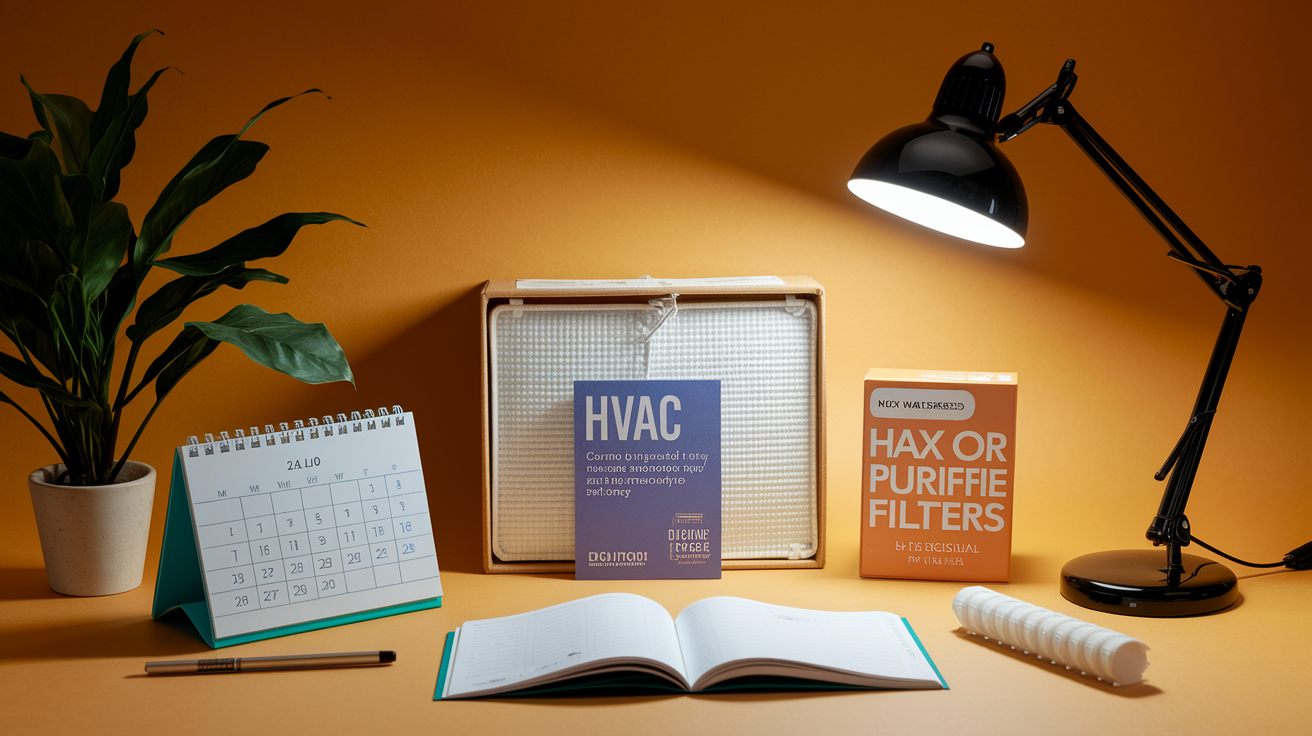
Bedding and air quality equipment degrade over time, and a worn out mattress or clogged filter can undo your other optimizations. Keeping a replacement schedule prevents small problems from becoming chronic disruptions. Mattresses should be replaced every 7 to 10 years, or sooner if you notice sagging over 1.5 inches, new pressure points, or waking stiff. Pillows lose loft and accumulate allergens faster. Replace them every 12 to 24 months. Sheets should be washed weekly and replaced every 1 to 3 years when fabric thins or elastic loosens.
Air filters need regular attention. HVAC filters should be swapped every 1 to 3 months depending on household conditions (more often if you have pets, live in a high pollen area, or cook frequently). HEPA filters in portable air purifiers typically last 6 to 12 months. Check the manufacturer’s guidance and set a calendar reminder. Humidifier and dehumidifier tanks should be cleaned weekly to prevent mold and mineral buildup.
Track these maintenance intervals:
Mattress: Replace every 7 to 10 years. Inspect annually for sagging, lumps, or discomfort and replace sooner if needed.
Pillows: Replace every 12 to 24 months. Test by folding the pillow in half. If it doesn’t spring back, it’s time for a new one.
Sheets and pillowcases: Wash weekly in hot water. Replace every 1 to 3 years or when fabric shows wear.
HVAC filters: Replace every 1 to 3 months. Mark the date on the filter frame or set a recurring calendar reminder.
HEPA air purifier filters: Replace every 6 to 12 months. Check indicator light or manufacturer schedule.
Humidifier/dehumidifier tanks: Clean weekly with vinegar or mild detergent. Descale monthly if using hard water.
Set reminders for these tasks so they become routine. A $15 filter replacement or a $40 pillow swap can restore the effectiveness of your entire sleep environment without requiring a full redesign.
Printable Sleep Environment Optimization Checklist (Quick Wins and Long-Term Upgrades)

A checklist only works if it’s scannable, measurable, and broken into steps you can tackle tonight versus steps that require planning and budget. This section organizes every action into two categories: immediate fixes and longer term upgrades. Print or save this list, check off items as you complete them, and revisit it seasonally to track maintenance and replacement schedules.
Immediate Fixes (Tonight)
Start here. These actions cost little or nothing, take under 30 minutes total, and produce measurable improvements in sleep quality within a few nights.
- [ ] Set bedroom thermostat to 60 to 67°F and close all doors and windows to maintain stable temperature overnight.
- [ ] Close blackout curtains or shades to achieve darkness under 10 lux. Use a sleep mask if curtains aren’t available.
- [ ] Remove or power down all electronics with screens or glowing LEDs. Charge phones outside the bedroom or set to airplane mode.
- [ ] Use foam earplugs (NRR 25 to 33 dB) or turn on a white noise machine at 40 to 50 dB to mask intermittent noise.
- [ ] Clear nightstand to 3 to 5 visible items. Move clutter, work materials, and laundry out of sight.
- [ ] Dim overhead lights to under 10 lux in the 60 to 90 minutes before bed. Switch to warm bulbs (≤2700K) if available.
Longer-Term Improvements (This Month and Beyond)
These upgrades require planning, budget, or installation but deliver compounding benefits. Prioritize based on your biggest pain points (temperature, noise, light, or air quality).
- [ ] Install blackout curtains or cellular shades on all bedroom windows. Budget $25 to $120 per window depending on size and style.
- [ ] Replace mattress if older than 7 to 10 years or showing sag over 1.5 inches. Budget $700 to $1,500 for mid range, $1,500+ for premium.
- [ ] Purchase a HEPA air purifier with CADR 150 to 300 for your room size. Budget $100 to $400 and schedule filter replacement every 6 to 12 months.
- [ ] Add a humidifier or dehumidifier to maintain 30 to 50% relative humidity. Budget $30 to $150 for humidifier, $150 to $400 for dehumidifier.
- [ ] Upgrade pillows based on sleep position and replace every 12 to 24 months. Budget $20 to $120 per pillow depending on material.
- [ ] Rearrange bedroom layout to position bed away from street facing windows and shared walls. Declutter visible surfaces and remove work related items.
Run through this checklist once per season to catch maintenance tasks, evaluate comfort, and adjust for weather changes. Track what works using simple metrics (how many times you wake, how long it takes to fall asleep, and how you feel in the morning), then double down on the interventions that move those numbers in the right direction.
Final Words
Set your thermostat to 60–67°F, block light to under 10 lux, and silence or mask noise to under 30 dB. Small moves matter.
This post walked through practical steps for lighting, temperature and bedding, noise, air quality, electronics, layout, maintenance, and a printable quick-audit.
Try one small change tonight—close curtains, move chargers outside, or add earplugs. Keep a simple sleep environment optimization checklist and track temperature, lux, or dB if you can. These tweaks add up, and you may sleep better within a few nights.
FAQ
Q: What’s the ideal room temperature for sleep?
A: The ideal room temperature for sleep is 60–67°F (15.5–19.5°C). Cooler temps help you fall asleep—use the thermostat and breathable bedding to stay comfortable through the night.
Q: How dark should my bedroom be for better sleep?
A: The bedroom should be under 10 lux; aim for darkness below 10 lux and use blackout curtains that block >90% of outside light to protect melatonin and deepen sleep.
Q: What noise level is best for sleep and how can I manage noise?
A: The best noise level for sleep is steady under 30 dB. Manage noise with earplugs, white noise at 40–50 dB for masking, closed windows/doors, and reducing intermittent spikes.
Q: Which bedding materials and replacement timelines improve sleep?
A: Use breathable sheets (cotton percale, linen, TENCEL); replace mattresses every 7–10 years and pillows every 1–2 years. Add a topper ($50–$300) for extra comfort and cooling.
Q: How do I control bedroom lighting and blue light at night?
A: Control lighting by keeping evening light under 10 lux, using warm bulbs ≤2700K, installing dimmers or blackout curtains, and using blue-light filters or night mode to protect melatonin.
Q: What humidity and air quality targets should I aim for?
A: Aim for bedroom humidity of 30–50%. Use a HEPA purifier with CADR 150–300 for medium rooms, replace HVAC filters every 1–3 months and HEPA filters every 6–12 months.
Q: What’s the best electronics policy for the bedroom?
A: The best electronics policy is to remove or power off screens, charge devices outside the bedroom, use night mode/blue-light filters, and avoid TVs or consoles to lower stimulation before bed.
Q: How should I declutter and arrange my bedroom for better sleep?
A: Keep visible nightstand items to 3–5, clear floors, remove work items from the bedroom, and place the bed away from street‑facing windows when possible to reduce visual stimulation.
Q: What maintenance schedule keeps my sleep environment optimized?
A: Follow maintenance: replace mattresses every 7–10 years, pillows every 12–24 months, wash sheets weekly, change HVAC filters every 1–3 months, and inspect for mattress sag over 1.5 inches.
Q: What quick fixes can I do tonight to improve sleep?
A: Quick fixes tonight: set thermostat to 60–67°F, darken the room below 10 lux, remove devices, close windows/doors, use earplugs or white noise, and tidy visible surfaces.