

Ever felt your chest tighten in the middle of a meeting and wished you could press pause?
You don’t need a meditation retreat or to leave your desk.
This post gives clear, practical tools you can use right at work: breathing resets, two-minute mindfulness, quick stretches, small environment fixes, basic planning habits, and simple boundary scripts.
Each technique is designed to lower your heart rate, release physical tension, and help you think more clearly.
Most take under two minutes and fit into a real workday.
Immediate Techniques for Fast Stress Relief at Work

Quick stress relief matters because workplace pressure doesn’t wait for a lunch break or the end of the day. When stress spikes during a meeting, a deadline, or a difficult conversation, your body’s stress response kicks in within seconds. Immediate techniques give you on-the-spot relief you can use without leaving your desk, alerting coworkers, or messing up your workflow. These methods work by interrupting the fight-or-flight response, lowering heart rate, and pulling attention away from whatever’s stressing you out.
One of the fastest options is a simple breathing reset. Inhale slowly through your nose for 4 seconds, hold gently for 2 seconds, then exhale fully through your mouth for 6 seconds. Repeat this three to five times. The extended exhale activates the parasympathetic nervous system, which calms things down and reduces that feeling of panic or overwhelm. This technique needs no tools, no privacy, and takes less than 60 seconds.
Five quick desk-friendly stress relief techniques:
- Neck stretch – Tilt your head gently to one side, hold for 10 seconds, then switch sides to release upper body tension.
- Wrist stretch – Extend one arm forward, pull fingers back gently with the other hand, hold for 10 seconds per side to counter keyboard strain.
- Visual reset – Look away from your screen at an object 20 feet away for 20 seconds to reduce eye strain and mental fatigue.
- Posture reset – Roll your shoulders back, sit up tall, and place both feet flat on the floor to reduce compressed breathing and improve alertness.
- 10-second grounding – Press your feet firmly into the floor, notice the pressure, and name three objects you can see to anchor attention in the present moment.
These techniques help you stay focused by clearing mental fog and reducing the physical discomfort that builds during concentrated work. Using them every 60 to 90 minutes stops stress from piling up and keeps your cognitive performance steady throughout the day.
Integrated Mindfulness and Mental Reset Practices

Mindfulness works by redirecting attention away from racing thoughts and toward immediate sensory input. When stress builds, your mind often cycles through worst-case scenarios, replays frustrating interactions, or jumps ahead to an overwhelming to-do list. Structured mindfulness interrupts that loop by anchoring awareness in the present moment. This reduces the perception of pressure, improves decision-making clarity, and lowers the intensity of emotional reactions. Even short mental resets practiced consistently can shift how your brain responds to stressful situations over time.
Two workplace-compatible mental reset practices are 2-minute sensory scanning and quiet visualization. For sensory scanning, sit still and mentally catalog what you notice in each sense without judgment. Name three things you can hear (a keyboard clicking, distant voices, the hum of the air conditioning), two things you can feel (your back against the chair, the coolness of the desk), and one thing you can smell. This pulls attention out of abstract worry and into concrete reality. For quiet visualization, close your eyes or soften your gaze and picture a place where you felt calm. Maybe it’s a quiet park, a favorite room, or a stretch of beach. Hold the image for 60 to 90 seconds while breathing slowly. Visualization briefly shifts brain activity away from stress centers and toward more restful neural pathways, creating a mental buffer before you return to demanding tasks.
Physical Strategies to Reduce Workplace Tension

Prolonged sitting compresses the diaphragm, restricts circulation, and creates muscle tension in the shoulders, neck, and lower back. These physical changes send signals to your brain that mimic the sensations of stress, even when the actual workload is manageable. When your body feels tight and uncomfortable, your mind interprets that discomfort as a sign of threat or overload. Breaking up long periods of stillness with short movement sessions interrupts this feedback loop and reduces overall stress levels.
A quick alignment reset can be done in under 30 seconds. Sit toward the front of your chair, place both feet flat on the floor, and lengthen your spine as if a string is gently pulling the top of your head toward the ceiling. Roll your shoulders down and back, let your arms hang naturally, and level your chin so your gaze is straight ahead. Hold this position for five slow breaths. This posture opens the chest, allows fuller breathing, and reduces the forward slump that increases fatigue and tension.
Four simple movement-based stress relief actions:
- Shoulder rolls – Lift both shoulders toward your ears, roll them back and down in a smooth circle, repeat 10 times to release upper back tightness.
- Seated twist – Sit tall, place your right hand on the back of your chair, twist gently to the right, hold for three breaths, then switch sides to reduce spinal stiffness.
- Calf raises – Stand behind your chair, rise onto your toes, hold for two seconds, lower slowly, repeat 15 times to improve circulation and break up sitting time.
- Desk-friendly mobility loops – Walk a small loop around your desk or down the hallway every 60 minutes to reset posture and clear mental fog.
Small movement sessions throughout the day reduce muscle strain, improve oxygen flow to your brain, and signal the nervous system that the body is safe. Over time, regular micro-movements lower baseline stress levels and make it easier to stay focused during long work blocks.
Environmental Adjustments That Support Calm and Focus

Environmental factors shape stress levels more than most workers realize. Noise from conversations, phone calls, and office equipment increases cognitive load by forcing your brain to filter out distractions continuously. Visual clutter on a desk or screen creates low-level anxiety by signaling unfinished tasks and chaos. Poor lighting (too dim, too bright, or harsh overhead fluorescents) causes eye strain, headaches, and irritability. These factors don’t cause stress directly, but they amplify the stress response when pressure is already high.
Practical adjustments lower environmental stress without requiring major changes. Decluttering a workspace by clearing unnecessary papers, closing unused browser tabs, and organizing cables reduces visual noise and creates a sense of order. Repositioning desk lighting by using a soft desk lamp instead of relying solely on overhead lights reduces glare and eye fatigue. Using sound-blocking methods such as noise-canceling headphones, white noise apps, or simply closing a door during focused work helps your brain maintain concentration and lowers the effort required to stay on task.
| Factor | Simple Adjustment | Stress-Relief Effect |
|---|---|---|
| Noise | Use headphones or request quieter workspace | Reduces cognitive load and improves focus |
| Clutter | Clear desk surface and organize cables | Lowers visual distraction and creates sense of control |
| Lighting | Add desk lamp or adjust screen brightness | Reduces eye strain and tension headaches |
Long-Term Stress Management Through Planning and Prioritization
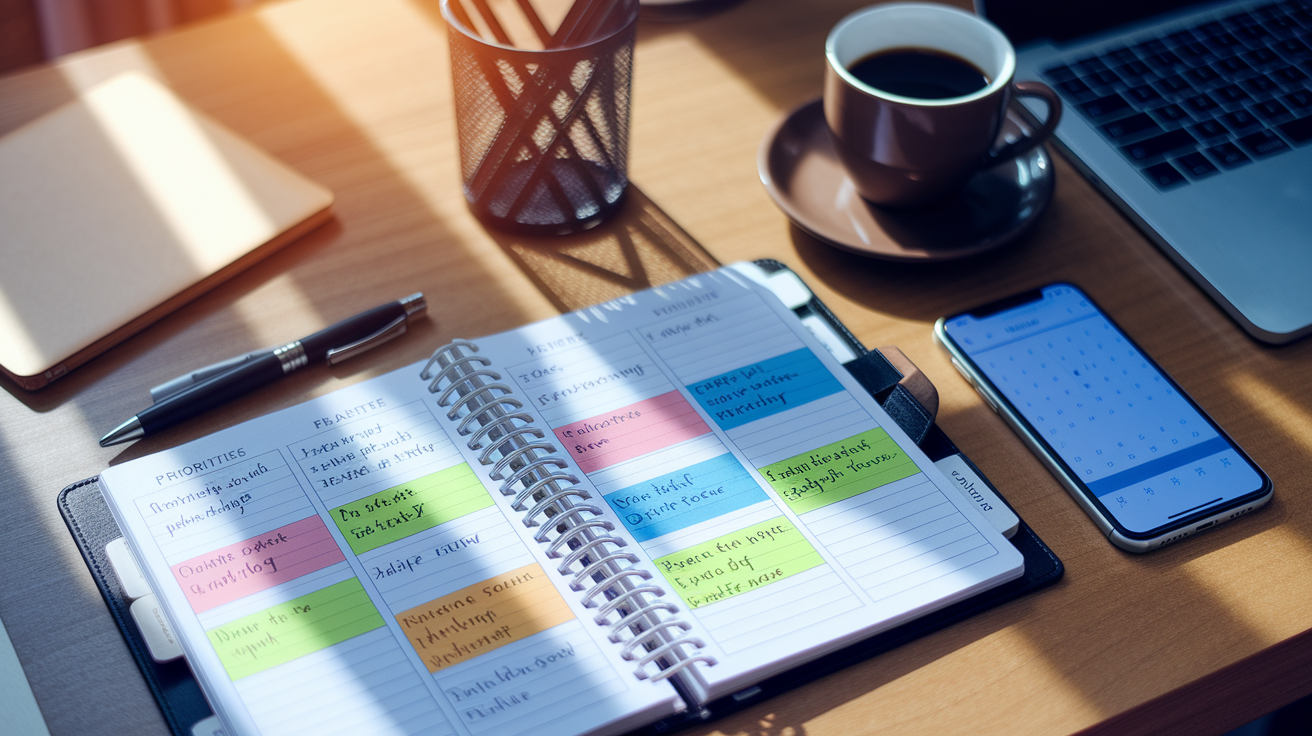
Disorganization increases workplace stress by creating constant uncertainty about what needs to be done, when it’s due, and whether anything important has been forgotten. When tasks pile up without a clear order, your brain defaults to reactive mode and treats every item as urgent. This leads to decision fatigue, scattered attention, and the feeling of being perpetually behind. Over time, this pattern drains energy and raises baseline anxiety even during less busy periods.
Prioritization methods such as the Eisenhower matrix help you sort tasks into four categories: urgent and important, important but not urgent, urgent but not important, and neither urgent nor important. By identifying what truly matters and what can be delayed, delegated, or deleted, you reduce the mental load of carrying too many competing demands. Batching similar tasks (answering all emails during two designated windows, making all phone calls in one block, completing similar administrative work together) reduces the cognitive cost of constantly switching between different types of thinking. Both methods create structure and lower the stress that comes from unclear priorities.
Consistent planning habits reduce long-term stress levels by building predictability and control into the workday. Spending 10 minutes at the start of each day writing down the top three priorities and blocking time for focused work creates a roadmap that reduces decision-making throughout the day. Weekly reviews that reassess deadlines, delegate overload, and adjust timelines prevent small stressors from building into chronic pressure. Planning doesn’t eliminate difficult work, but it removes the added stress of disorganization and helps you feel more capable of handling what’s in front of you.
Communication and Boundary-Setting Techniques for Sustainable Stress Reduction
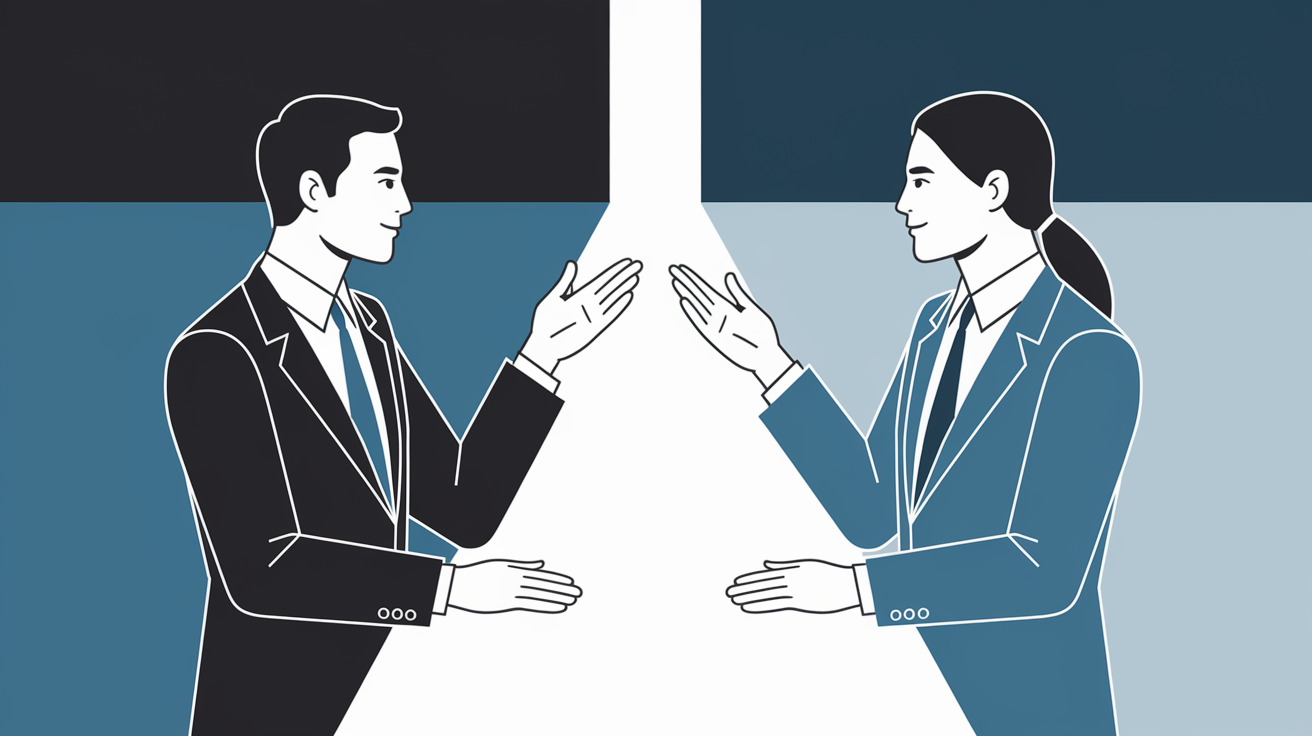
Clear communication lowers stress by reducing misunderstandings, preventing unnecessary back-and-forth, and helping coworkers understand workload limits. When expectations are vague or assumptions go unchecked, workers waste time guessing what’s needed, redoing tasks, or managing conflict that could have been avoided. Direct communication about timelines, capacity, and needs removes ambiguity and creates shared understanding. Asking clarifying questions at the start of a project (What’s the deadline? What’s the priority level? Who else is involved?) prevents confusion later and reduces the stress of last-minute surprises.
Healthy boundaries in a work environment look like protecting time for focused work, declining requests that exceed capacity, and separating work hours from personal time. Boundaries aren’t about being inflexible or uncooperative. They’re about creating sustainable working conditions that prevent burnout and allow you to deliver consistent quality over time. Setting boundaries requires clear, calm language and consistency. When boundaries are respected, stress levels drop because you regain a sense of control over your time and energy.
Four practical boundary examples:
- Declining excessive workload – “I have capacity for one more project this week. If this is a priority, I’ll need to pause the other two tasks we discussed.”
- Setting meeting limits – “I hold focus time from 9 to 11 each morning. Can we schedule this for the afternoon?”
- Defining response windows – “I check email twice a day at 10 a.m. and 3 p.m. For anything urgent, please call or message me directly.”
- Clarifying expectations – “Before I start, can you confirm the key deliverable and deadline so I can plan my time accurately?”
Final Words
Use the quick, desk-friendly moves and the 60‑second breathing pattern when pressure builds. They reset focus fast.
This piece also showed short mindfulness resets, simple stretches and posture fixes, workspace tweaks, planning habits, and clear boundary tools, so you can handle stress both in the moment and over time.
These stress relief techniques for work are practical: pick one immediate move, one physical reset, and one planning or boundary habit. Small, repeatable changes add up. Try one today and see the difference.
FAQ
Q: What are the 5 A’s of stress management?
A: The 5 A’s of stress management are Assess (notice stress), Avoid (skip triggers), Alter (change the situation), Adapt (adjust your response), and Accept (let go of what you can’t change). The 4 A’s are Avoid, Alter, Adapt, Accept.
Q: How to get instant stress relief?
A: Instant stress relief can be achieved with a 60-second breathing cycle—inhale 4s, hold 2s, exhale 6s—plus a 10-second grounding (feet on floor, name five visible things) or a quick neck stretch.
Q: What are the 5 R’s of stress?
A: The 5 R’s of stress are Recognize (notice signs), Reduce (limit triggers), Relax (quick breathing or break), Reframe (shift perspective), and Reach out (ask for support).